


Five critically acclaimed movies that nobody should ever watch

Comparable to how many movies have been made since the advent of the moving image, only a small percentage of them can be called classics. Of course, there have been a lot of features to roll off the production line, and the list of all-time greats is one that’s only going to keep expanding.
There are certain films that everybody should watch, but it’s not a sentiment that applies to every acclaimed picture. Everyone has been in a situation where they’ve shocked a friend or colleague after admitting there’s an iconic movie they haven’t seen, but some of them are best avoided.
Whether it’s storylines and characters that have aged as well as warm milk, an overhyped ‘masterpiece’ that gets more credit than it deserves, or pictures that exist as products of their time and absolutely don’t stand up under modern scrutiny, some titles are better off left unseen.
All five of the following flicks have made huge amounts of money, earned a rapturous response from critics and/or audiences, and, in many cases, competed for the most prestigious prizes in the business. Still, for anyone who hasn’t seen them, maybe it should stay that way.
Five classic movies nobody needs to see:
Love Actually (Richard Curtis, 2003)
It’s no doubt considered sacrilege in many households around the world when Love Actually has become a staple of the festive viewing calendar that warms the cockles of its many fans, but it’s also a movie full of terrible people showing themselves to be terrible people.
It made a quarter of a billion dollars at the box office and continues to prove its longevity with repeat viewings every time the festive season rolls around, but anybody who hasn’t been subjected to Love Actually is better off keeping it that way because it’s impossible to get on board with such a reprehensible bunch.
Colin Firth? Projects his emotions onto a much younger co-worker. Alan Rickman? Cheats on Emma Thompson. Andrew Lincoln? Stalker material. Hugh Grant? Inappropriate workplace conduct and complicit in body-shaming. Heike Makatsch? Actively pursues a married family man. These are not the traits of whimsical characters, so it’s best for the uninitiated to steer clear of Love Actually.
Driving Miss Daisy (Bruce Beresford, 1989)
The Broadway adaptation won four Oscars from nine nominations, including ‘Best Picture’ and ‘Best Actress’ for Jessica Tandy, but even the people who made the movie don’t like it that much, which says everything about its misplaced standing as an acclaimed classic.
Morgan Freeman earned his first ‘Best Actor’ nomination and called the film a mistake, while director Bruce Beresford has never been able to bring himself to rewatch it. To be fair, it was controversial even then, especially when Kim Basinger made a point of noting onstage during the ceremony that Spike Lee’s Do the Right Thing wasn’t even nominated.
Even when viewed through the lens of the late 1980s, Driving Miss Daisy was a cloying, saccharine, and simplified exploration of race relations in the United States. Fast-forward three decades and change, and it’s remembered as one of the worst ‘Best Picture’ winners ever. It took a very black-and-white view of a complicated issue that remains as relevant as ever, unlike the movie itself.
Saturday Night Fever (John Badham, 1977)
Less of a movie and more of a cultural sensation, John Badham’s Saturday Night Fever was a phenomenon that did much more than strap a rocket to the back of its fresh-faced star, John Travolta.
He became one of the youngest ‘Best Actor’ nominees in history. The film spawned one of the bestselling soundtracks of all time, brought disco to the mainstream like never before, and gave rise to a string of musical earworms and iconic scenes that infiltrated pop culture.
However, it’s also horrendously misogynistic and causally homophobic, and not by design. Saturday Night Fever intentionally explores certain aspects of toxic masculinity, but other moments are products of their time that have dated the picture every bit as much as the Bee Gees tunes and flared trousers. It was influential in its own way, but going in cold today wouldn’t yield the same experience.
Breakfast at Tiffany’s (Blake Edwards, 1961)
Hollywood has a long and unsavoury history of casting white actors as non-white characters, but none of those caricatures have been anywhere near as exaggeratedly offensive as Mickey Rooney playing Mr Yunioshi in Breakfast at Tiffany’s.
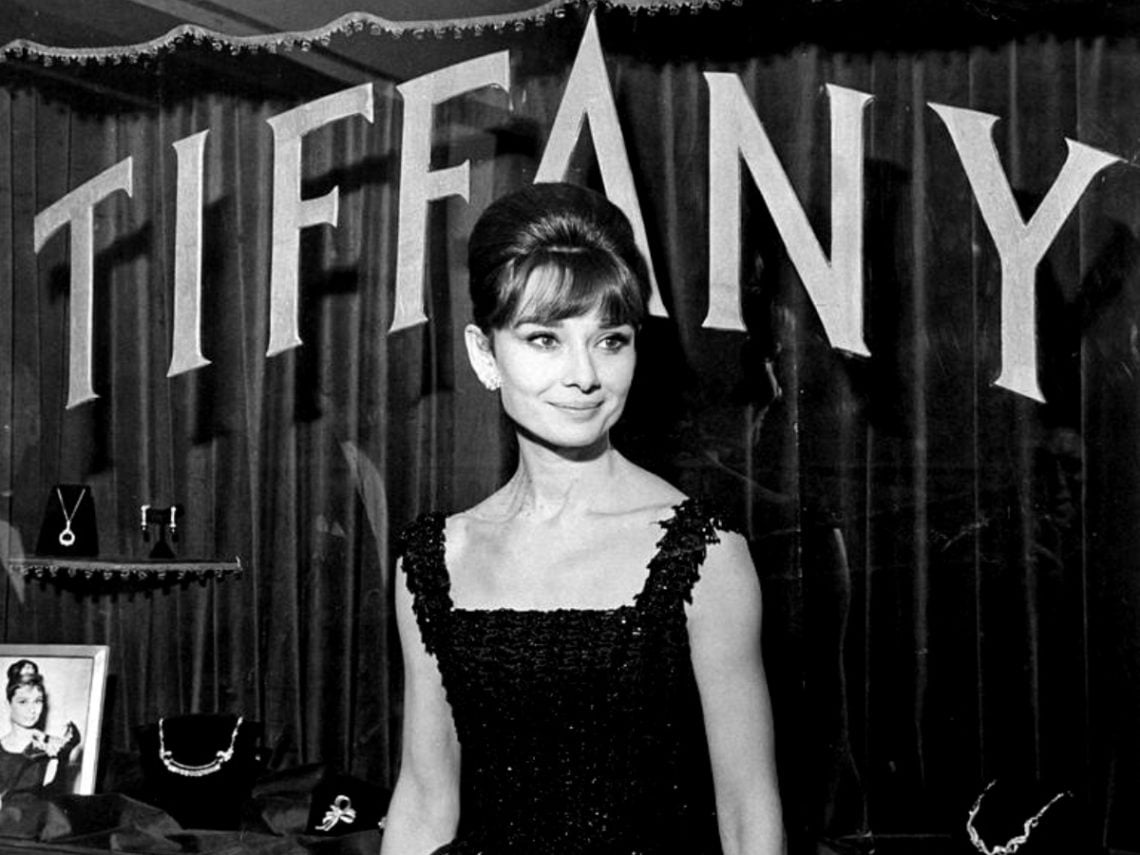
The romantic caper won two Oscars and featured Aubrey Hepburn in sparkling form as Holly Golightly, and the character has become a silver-screen icon in her own right. However, try to encourage somebody who’s never seen it to give Breakfast at Tiffany’s a watch and see how it goes.
Rooney has become the elephant in the room that overshadows the way Breakfast at Tiffany’s has been appraised by modern viewers, and not many of them are going to have any interest in checking out a film in which a guy born in New York buries himself under prosthetics and adopts a cartoonish accent to play a Japanese landlord.
The Birth of a Nation (DW Griffith, 1915)
Is it because of the racism? Yes, it’s because of the racism. DW Griffith made one of the most important and influential movies of all time in The Birth of a Nation, but the content of the film is precisely why nobody should feel obligated to see it.
A landmark in cinema history that pioneered a number of techniques that would swiftly become industry standard, it’s not an exaggeration to say the future of the medium could have turned out markedly different had Griffith not brought his trailblazing virtuosity to the fore.
Trying to sell anyone on the importance of The Birth of the Nation as a work of cinema is always going to be undercut by its content and depictions, so it’s best to take the word of scholars and historians at face value instead of diving into a blatantly racist three-hour epic.
