


Five classic tracks that took the piss out of other artists

I don’t think any musician ever got into the arts to slander their idols. Undoubtedly there idols were north stars whom they followed into the creative breaches to better understand the style they wanted to adopt.
But somewhere along the line, egos and narratives collide to a point where musicians once idolised become irritants. Pandora’s Box of fame has been opened, and what some musicians find inside is nothing more than underwhelming toxicity. Petty feuds unfold as regularly as playground squabbles, and rhyming quips of “I know you are, you said you are, but what am I?” develop into intensely crafted songs that cut peers down at their very core.
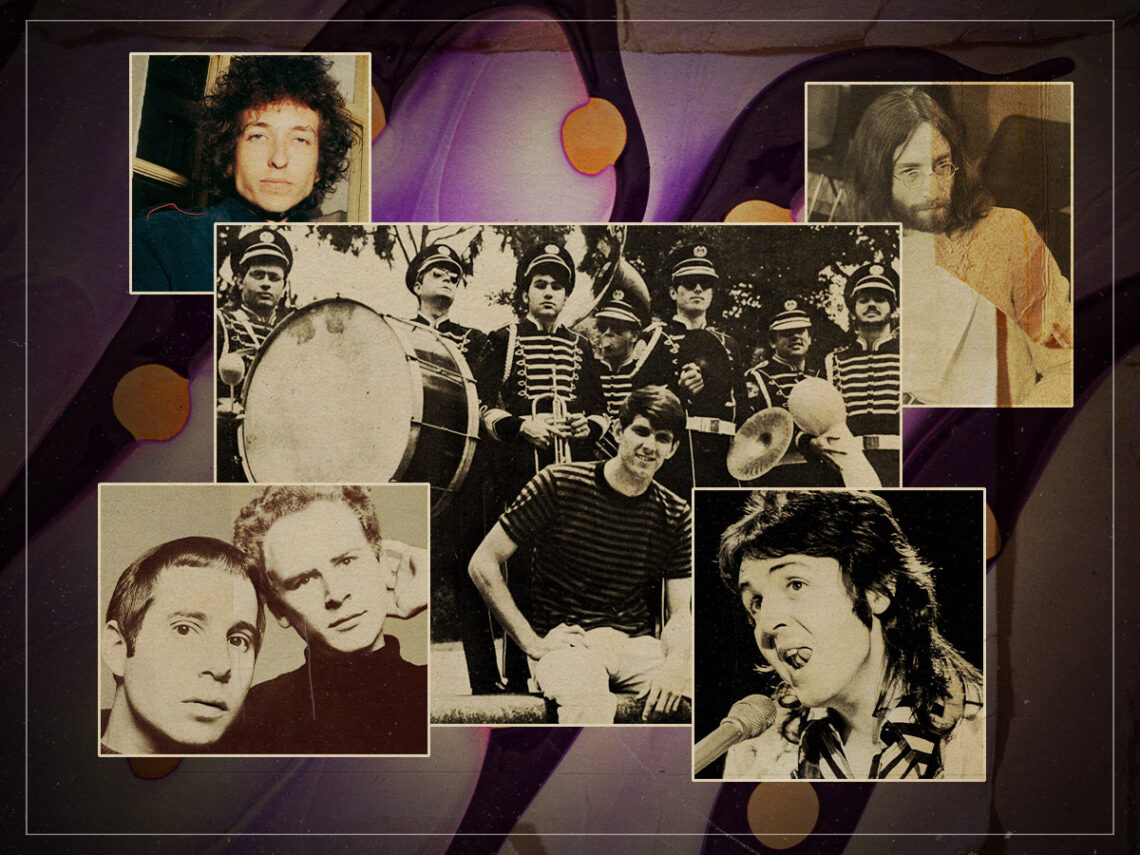
These feuds aren’t just reserved for burgeoning artists, looking to boost their exposure via scandal. Oh no, some of the true titans of industry have butted heads in music, presenting their shared fans with a painstaking dilemma. When Bob Dylan takes aim at John Lennon, who do these admirers of classic rock end up choosing?
Well, I guess the answer is in the appreciation of the standalone song. Despite the underhanded meaning, these artists have never compromised on artistic integrity when creating them. They’re classic songs in their own right, that just happen to incite widespread sing-alongs of slander in the chorus.
So, in case you are one of those fans who sing these lines without truly knowing which hero of yours you’re critiquing, then allow me to run you through a list. A definitive top five of the songs written to take the piss out of other artists.
‘A Simple Desultory Philippic (Or How I Was Robert McNamara’d Into Submission)’ – Simon and Garfunkel

Beneath the soft tones of Paul Simon and Art Garfunkel’s voices lay some surprising resentment for their fellow folk pioneer. Well, someone they thought was a folk pioneer. After Bob Dylan had emerged in Greenwich Village, with a guitar under his arm and a plethora of world changing songs, he decided it was time to conquer pastures new.
It was well known that these pastures included the use of an electric guitar which the folk community viewed as an abandonment. In this song, Simon and Garfunkel subtly prodded at that idea with the introduction of their own electronic instruments, before calling an all out assault on the lyrics of Dylan.
In a satirical Dylan vocal take, Simon sings: “Not the same as you and me, he doesn’t dig poetry / He’s so unhip, when you say Dylan / He thinks you’re talking about Dylan Thomas, whoever he was.” To this day, Simon admits that he used Dylan’s position as an icon to critique his own artistry, but I’m sure there was some jealous frustration in the initial take.
‘Fourth Time Around’ – Bob Dylan

Dylan had to expect the sort of jibes received on Simon and Garfunkel’s track, for that is the very nature of sitting pretty at the top. All artists knew he was operating on a much higher level and sought to capture a similar sense of songwriting genius. But, you’d have thought The Beatles were immune, right? Well, in 1966, they were only just learning the open-ended realms of the psychedelic possibilities and had instead spent the previous five years occupying the pop space.
Watching Dylan from afar, they envied his freedom and, to their belief, used ‘Norwegian Wood’ as a gateway to understanding his genius, which didn’t bode well with the brooding songwriter. “What is this? It’s me, Bob. [John’s] doing me! Even Sonny and Cher are doing me, but, fucking hell, I invented it” he reportedly exclaimed upon hearing it.
But it didn’t end there. No Dylan took to ‘Fourth Time Around’ to remind The Beatles that the sense of admiration was a one way street and Dylan didn’t need competitive spirit to bring out his A-game, singing “I never asked for your crutch, Now don’t ask for mine.”
‘How Do You Sleep’ – John Lennon

After standing in solidarity with his old mate Paul McCartney, in the face of Bob Dylan’s scathing criticism, Lennon decided it was time to turn friend into foe. The late 1960s had turned this otherwise prolific and bulletproof songwriting partnership into a crumbling marriage, and artistic liberation finally gave them license to let rip.
After initially refuting it was actually about Macca, Lennon retrospectively admitted: “I used my resentment against Paul… to create a song… not a terrible, vicious, horrible vendetta… I used my resentment and withdrawing from Paul and The Beatles, and the relationship with Paul, to write ‘How Do You Sleep’. I don’t really go ’round with those thoughts in my head all the time”.
It was an almost sibling-like rivalry that spilt over into the sort of diatribe that happens away from the precious ears of your mother. A spiky game of tit-for-tat that was indeed loaded, but ultimately derived from endless circumstances of pressure and expectation.
‘Too Many People’ – Paul McCartney

Lennon didn’t, in fact, strike the first blow. His scathing questioning of whether or not he can sleep in good conscience came from what he thought was a personal attack on him and Yoko in Macca’s song ‘Too Many People’.
In his role as chief silliness officer in The Beatles, McCartney was probably the songwriter who was most detached from political heaviness in his songwriting, and so he likely mistook Lennon and Ono’s dogged pursuit of philanthropy as a form of self-righteousness. A feeling he channelled into the song’s vocal hook, “Too many people preaching practices.”
And there was no double entendre in that line. McCartney was focusing solely on his songwriting brother at the time, later conceding to Mojo, “‘Too many people preaching practices.’ I felt that was true of what was going on with John. ‘Do this, do that, do this, do that.’”
Judy In Disguise (With Glasses) – John Fred & His Playboy Band
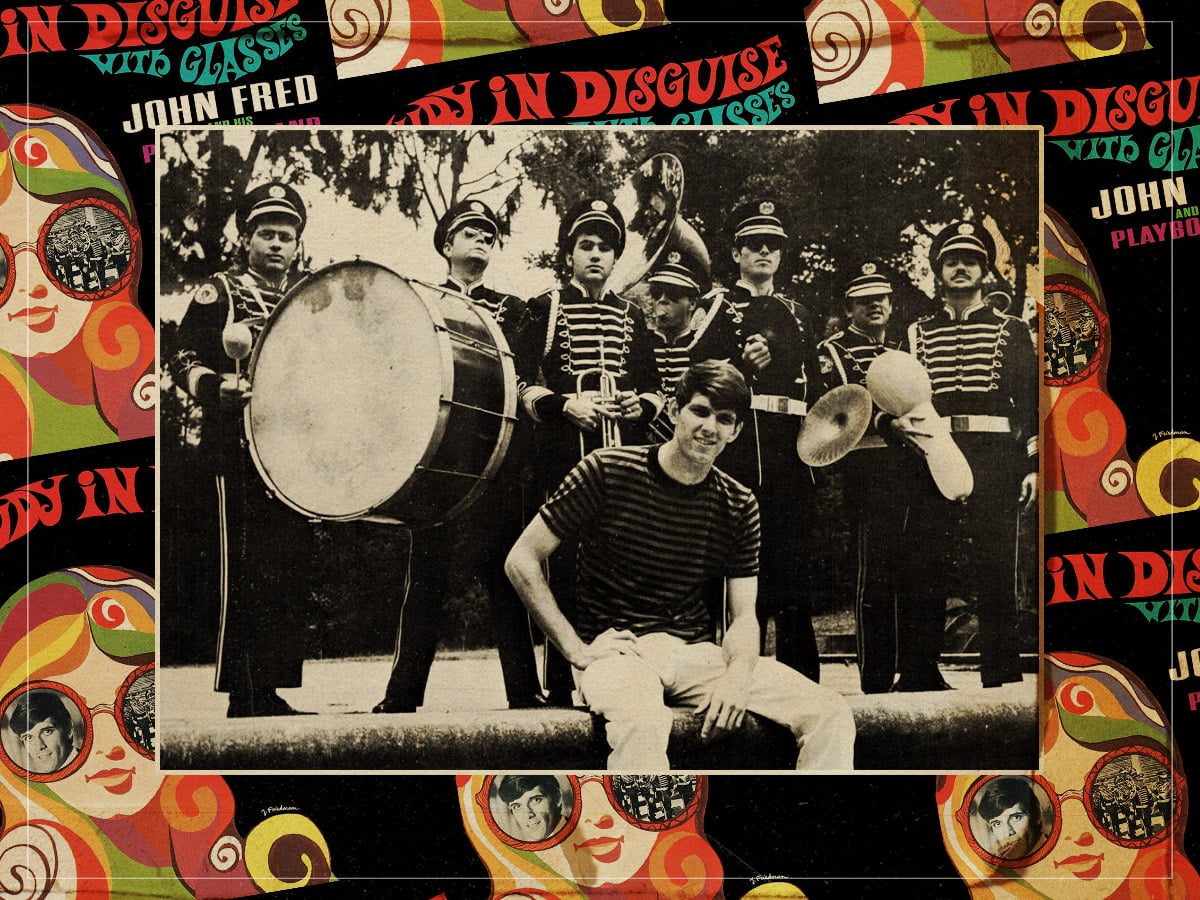
In the noise of their own intra-band squabbling, the Liverpool boys may have lost sight of the external mocking they may face. But John Fred & His Playboy Band were on hand to deliver what fans disillusioned by the new psychedelic leanings of The Fab Four may have been craving.
Parodying their hit ‘Lucy In The Sky With Diamonds’, Fred and his band take their blueprint of obtuse lyrics and place it back in the realms of bubblegum pop. It’s the sort of pastiche that is subtle enough to make it a good song in its own right, but an obviously satirical take on what many considered musical nonsense by The Beatles.
But despite his own squabbles with McCartney, Lennon’s sense of humour remained in view of this song. Fred explained, “When I met John Lennon, that’s the first thing he asked me. He thought it was great. He said the first thing he was going to do when he got home was write a song called ‘Froggy in a Pond with Spectacles.'”

Never Miss A Beat
The Far Out Beatles Newsletter
All the latest stories about The Beatles from the independent voice of culture.
Straight to your inbox.