


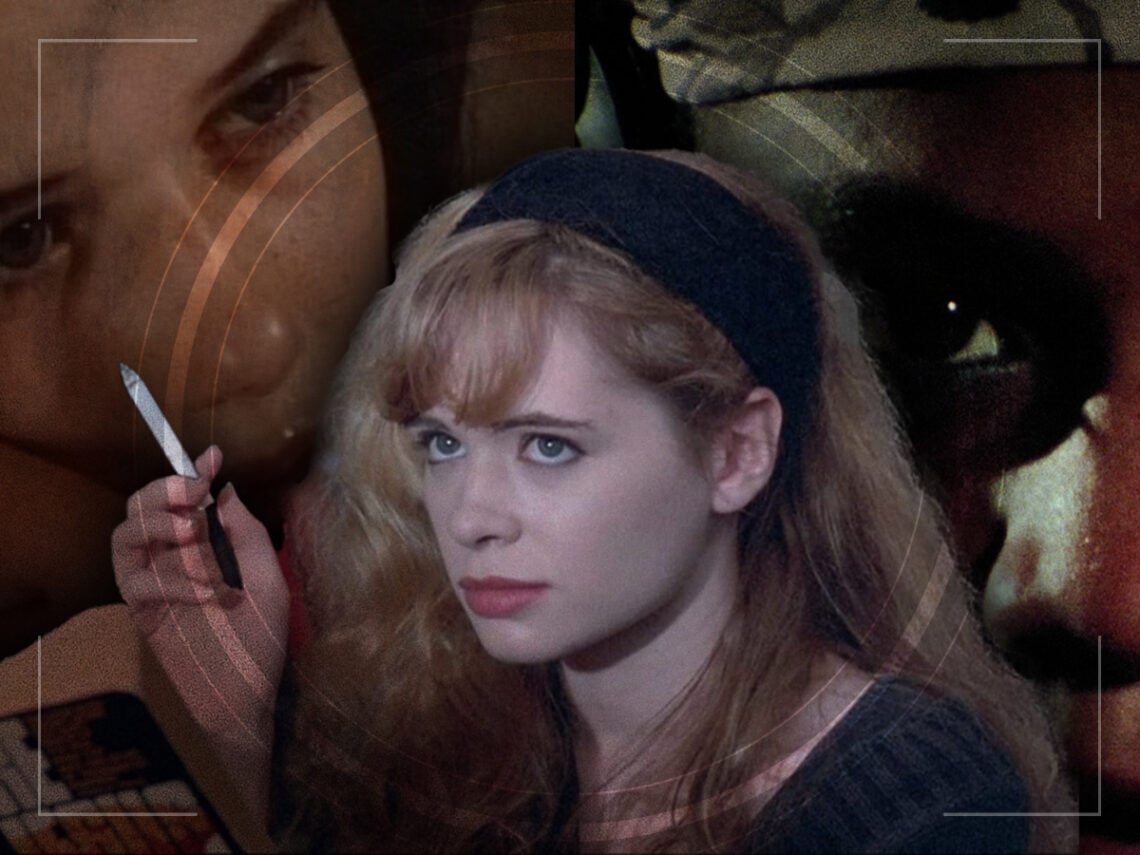
The five best movies from the 1980s that nobody remembers

I’m going to be honest – the 1980s weren’t the best years for cinema. Sure, many classics emerged, there’s no denying that, but the decade just wasn’t as cool as the ones that came before it, or the ones that came after.
While the 1960s and the 1970s saw the emergence of the New Hollywood movement, French New Wave, British New Wave, Czech New Wave, and New German Cinema, to name just a few, the 1980s were dominated by blockbusters and commercially accessible hits.
It seemed that cinema became more commercialised than ever before, with the potential to create huge franchises suddenly realised following the overwhelming success of Star Wars in 1977, which was followed by The Empire Strikes Back in 1980. Yet, among this new cinematic landscape, there were many indie films that emerged to relative acclaim, only to fade into obscurity years later, their genius buried in the rubble of much more popular films, like The Goonies or Top Gun.
Over in England, there were some great comedy-dramas that never received widespread international attention, as well as movies that went under the radar for various reasons, like The Appointment, which mysteriously vanished for many years until a print was discovered years later.
The ‘80s also saw more female filmmakers emerge, although the number was limited. Still, various women wielded their cameras to make inspiring low-budget movies that never earned the flowers they should’ve, such as Bette Gordon’s daring feminist look at sexuality, power, and identity, Variety.
So, without further ado, here are five overlooked movies from the 1980s that are certainly worth your time.
Five overlooked movies from the 1980s:
‘Wish You Were Here’ (David Leland, 1987)

Type ‘Wish You Were Here’ into Google and you get the Pink Floyd album, but add ‘movie’ and you get Julia Stiles’ recent directorial debut. Evidently, 1987’s Wish You Were Here, directed by David Leland, isn’t as well-known as it should be. The British film, which starred Emily Lloyd as 16-year-old Lynda, is a fantastic gem of a comedy-drama about coming of age in 1950s-era England, where the young protagonist doesn’t give a toss about how she is perceived by others. She’s flirtatious and cheeky, and you can’t help but love her.
The film considers various serious topics alongside its humorous moments (Lynda likes to shout “Cock off!” at people), such as grief, abortion, and lecherous older men. Ultimately, it’s a heartwarming tale about the complexities of entering young womanhood, although Lynda proves that the best you can do is remain authentic to yourself. Many great British films from the ‘80s have since flown under the radar, and Wish You Were Here is one that deserved to be seen more widely.
‘Variety’ (Bette Gordon, 1983)

New York almost always becomes a character when it features in a film. It’s a city so recognisable and so all-encompassing that it simply emanates from the screen; it’s as if you can smell the hot dogs and the bags of rubbish rotting in the heat. Variety is a lesser-known New York film, but it’s one for those who like something a little subversive, with author Kathy Acker (whose controversial novel Blood and Guts in High School is one you’ll never forget) penning the screenplay. We follow Sandy McLeod’s Christine as she gets a job at a pornographic movie theatre, where she soon becomes intrigued by a man who could potentially be a criminal.
A story of sexual awakening and identity, the film even features a young Luis Guzmán and a cameo from iconic photographer Nan Goldin, and with its lo-fi aesthetic, it feels like an authentic snapshot of a gritty window into New York. There’s even a sleazy soundtrack by the Lounge Lizards’ John Lurie, which is the perfect accompaniment to Bette Gordon’s indie flick, which emerged at a time when female filmmakers were still few and far between.
‘The Unbelievable Truth’ (Hal Hartley, 1989)

The late Adrienne Shelly never got to see the success that came from her work after she died shortly before the release of her film Waitress, which was later adapted into a hit Broadway musical. Before she became a director, however, she made her acting debut in the 1989 film The Unbelievable Truth, a little-known movie directed by Hal Hartley that helped to catapult the actor to indie stardom. It has since faded into the ether along with many other ‘80s films, but this one, a charming comedy-drama about a young woman who falls in love with a man who has just been released from prison, should have endured.
However, as is the case with many independently made films, The Unbelievable Truth remains criminally underrated despite Shelley’s incredible performance. It’s a quiet film that zooms into a small town world where the complications and excitement of budding romance play out against the heat of late summer, when it feels like you exist on the precipice of a new beginning.
‘The Appointment’ (Lindsey C Vickers, 1980)

Unless you’re an avid British horror film lover or have a keen interest in the BFI’s Flipside collection (guilty), you might not have heard of The Appointment, which was lost for many years. The film, which starred The Wicker Man’s Edward Woodward, is a peculiar gem, built on some of the most potent tension-building I’ve ever witnessed. It’s not for everyone – there are no ghosts or ghouls or even human killers in sight – but it’s a hallucinatory viewing experience that will certainly stay with you long after you watch it.
Directed by Lindsey C Vickers, the film was broadcast on television, but the filmmaker sadly missed the broadcast when his power went down. It wasn’t until several decades later that the movie was unearthed, now standing as a mysterious yet utterly compelling work of horror cinema where it’s dogs and cars you need to watch out for.
‘Born in Flames’ (Lizzie Borden, 1983)

Bold and revolutionary, Born in Flames is Lizzie Borden’s call to arms for all women who feel dissatisfied and angry with the state of the world. Released in 1983, the film is set sometime in the future following a peaceful uprising that allows various feminist groups to thrive, although there is still struggle as sexism continues to exist due to its firmly planted roots in society. It’s a messy yet beautiful hybrid of genres, blending dystopia and sci-fi with feminist filmmaking and a quasi-documentary style. Borden isn’t afraid to tackle challenging topics, either, presenting an intersectional look at the many issues affecting women of different races and sexualities, from harassment to police brutality.
Born in Flames aims to unify women for the greater good of female liberation, yet its radical approach to cinema has made it a rather niche film that hasn’t been viewed half as widely as it needs to be. Borden once said of the film: “I was very distraught coming to New York and living here a long time and finding that this group of feminists didn’t deal with that group of feminists. Class and race really did divide people. So the film was really about creating a context and reason to work with very different kinds of women.”
