


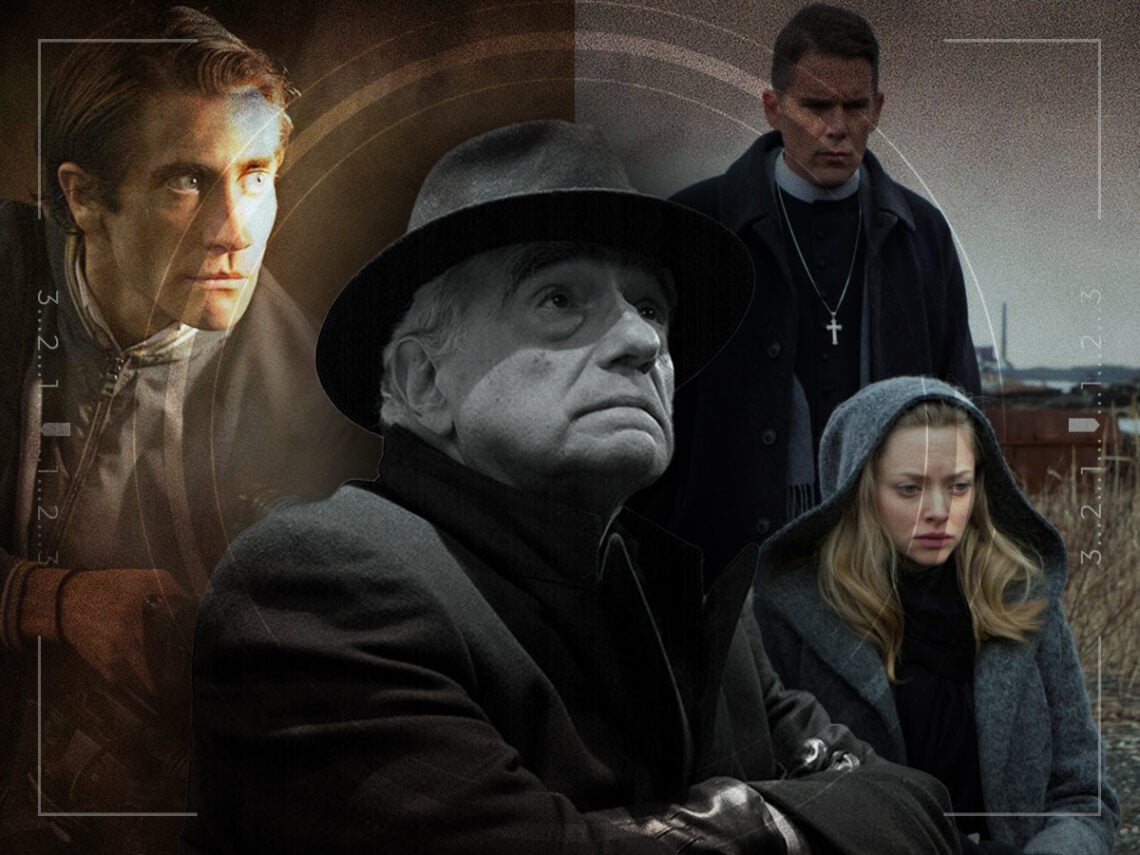
The five best Martin Scorsese movies not made by Martin Scorsese

When you picture a Martin Scorsese movie in your head, what do you think of?
If you’re anything like me, a series of images begins playing like a cinematic slideshow: a boxer, beaten and bloodied, staring straight at the screen, his eyes a window into his soul; a bravura tracking shot through a Copacabana restaurant bustling with mobsters and their molls; two opposing groups of late 19th-century criminals preparing to engage in barbaric battle for the right to rule a tiny portion of a city on the rise.
These are just three shots from Scorsese’s massive body of work – and any film lover worth their salt could name plenty more that are just as iconic. That’s the thing with Scorsese: he hasn’t just made great films, he’s helped shape American cinema itself over the past six decades. Classic after classic, and every time it looked like he might be done, he somehow found a way to reinvent himself. Plenty would argue he’s the greatest living filmmaker, and the fact he’s still turning out masterpieces like Killers of the Flower Moon at 80 says it all, really.
To me, Scorsese’s influence is so entwined within the fibre of Hollywood cinema that elements of his filmmaking style and thematic preoccupations consistently find their way into the works of the generations of directors who came after him. It makes sense, too: most of the best filmmakers today grew up mainlining Scorsese pictures, so his movies are practically baked into their DNA.
Of course, as with any artist who is so important to so many, his influence is sometimes so profound that certain filmmakers have made movies so ‘Scorsese-esque’ they might as well have come with a big flashing red sign. Naturally, most of these films suck (Joker and Black Mass, I’m looking at you), and wind up little more than pale imitations of a true artist, but there have also been some pretty darn good Scorsese impressions in the last three or four decades, too. One of them, in particular, I’d argue could go toe-to-toe with any of the great man’s best efforts.
So, proving that sometimes imitation really is the sincerest form of flattery, here are the five best Martin Scorsese movies not made by Martin Scorsese.
The five best Martin Scorsese-esque movies in history:
‘Lord of War’ (Andrew Nicol, 2005)
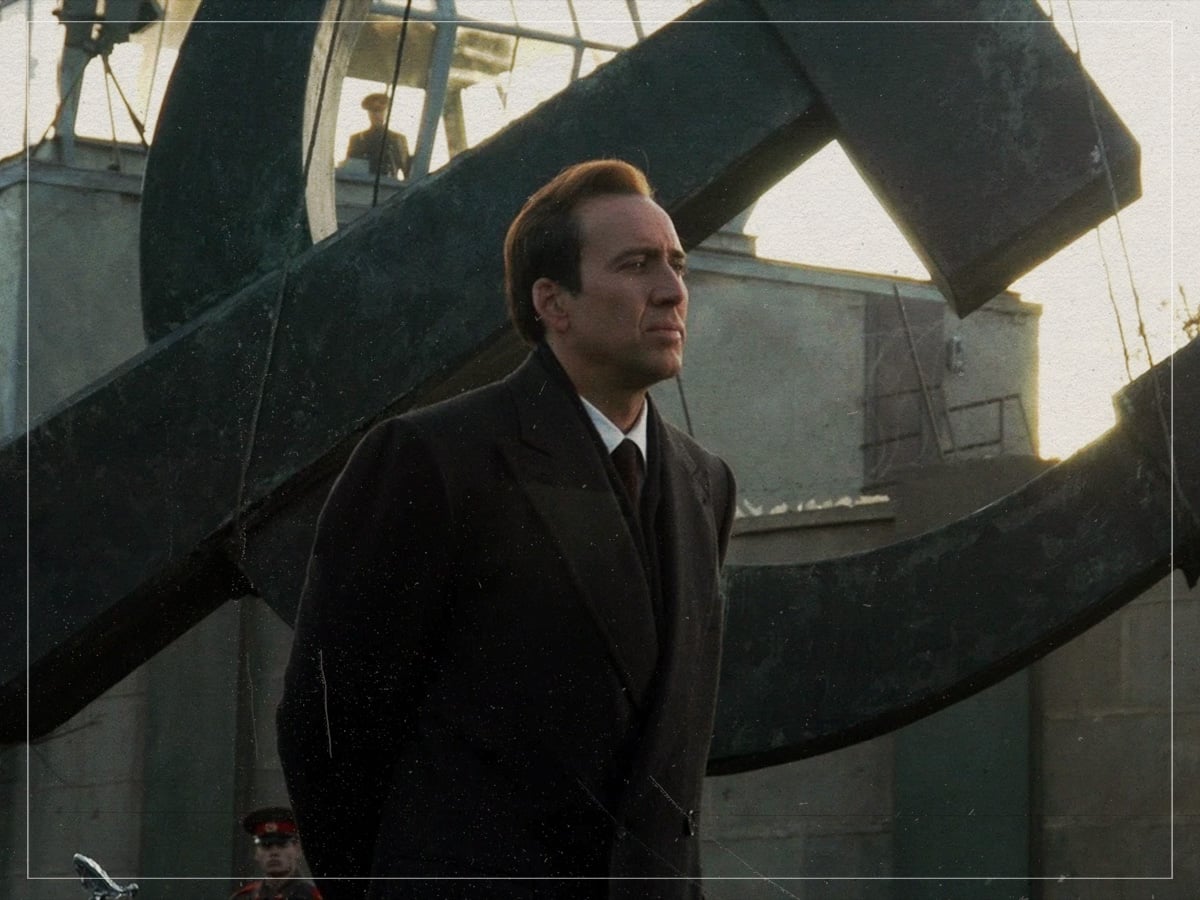
Lord of War doesn’t get nearly the credit it deserves, even though it’s easily one of the best films in Nicolas Cage’s stacked filmography. The story follows Yuri Orlov, a morally dodgy arms dealer, as he climbs the ranks and eventually spirals – all while dragging the viewer through the tangled world of global arms trading. It’s handled with a surprising lightness, but there’s real depth underneath it all.
It is set in the years before and after the dissolution of the Soviet Union, and writer/director Andrew Nicol expertly interweaves real-life history with the fictional story of Orlov, his tragic brother Vitaly, long-suffering wife Ava, and the Interpol agent Jack Valentine, who always seems two steps behind him – until he isn’t.
Lord of War most resembles Scorsese in Casino, Gangs of New York, and The Aviator mode. These films are all set within fascinating periods of history, and follow a compromised man operating within his uniquely dangerous business, whether that be running a casino, joining a local gang, or swimming with sharks in Old Hollywood.
The movie tells its story over a long period, and does so expertly, just as Scorsese always has, knowing when to slow things down and when to speed through other aspects that would bog things down or don’t support the underlying theme. In essence, money corrupts, and you can only turn a blind eye to the consequences of your actions for so long.
‘Nightcrawler’ (Dan Gilroy, 2014)
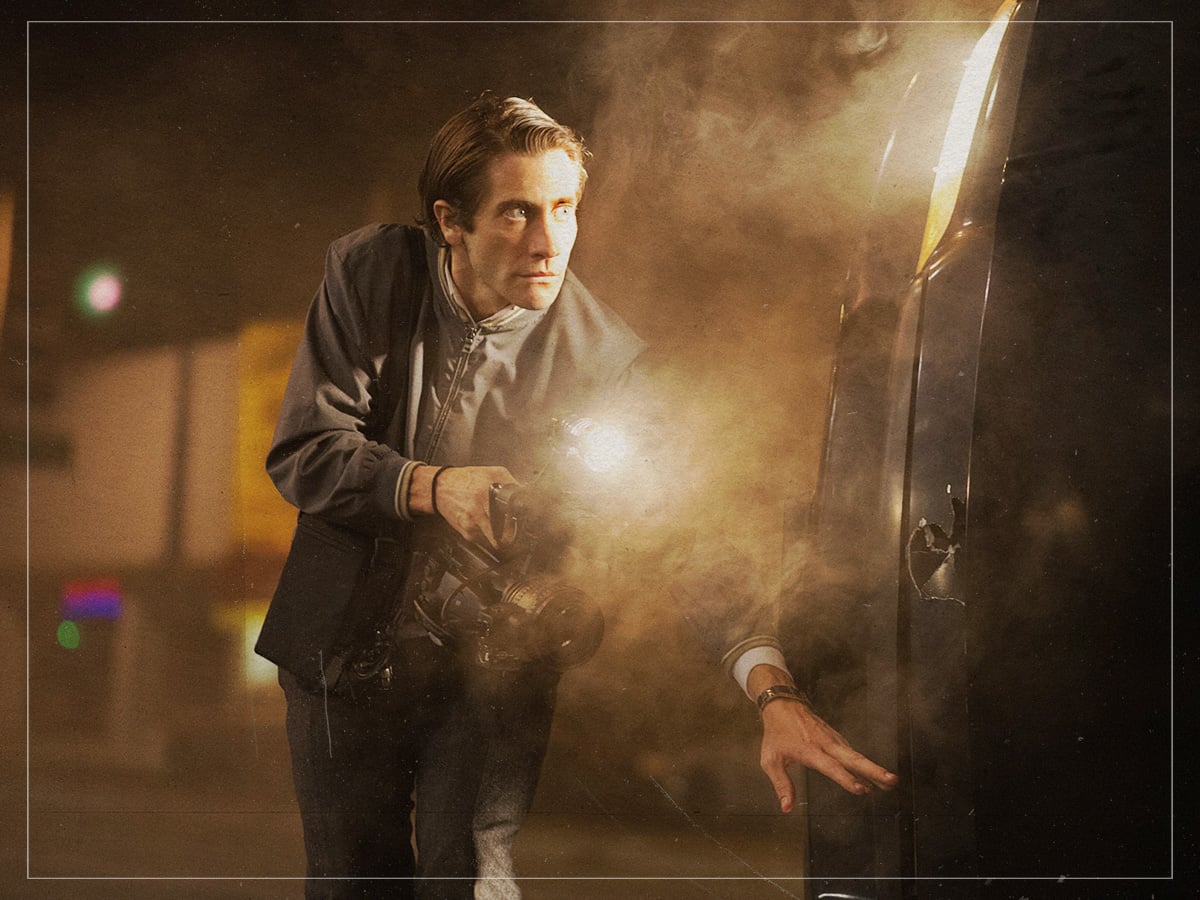
Watching Dan Gilroy’s Nightcrawler, a truly brilliant thriller starring Jake Gyllenhaal in the best performance of his career, it’s hard not to think of a few Scorsese pictures.
Gyllenhaal’s rampantly ambitious, hollow-eyed stringer Lou Bloom, who shoots footage of crimes and accidents on a freelance basis before selling to TV studios, is a wonderfully frightening creation. There are elements of Travis Bickle, Rupert Pupkin, and even Cape Fear‘s Max Cady in his seemingly pleasant demeanour, which barely masks the undercurrent of violence that feels like it could erupt at any time.
In truth, the movie is most highly indebted to Taxi Driver and The King of Comedy, and often feels like a canny mix of the two, with Bloom perhaps ending up more like the cravenly ambitious Pupkin than the angry, unravelling Bickle. Gyllenhaal brings the audience into Bloom’s world as he drives around Los Angeles in the wee hours of the night, slowly losing grip as the lines between right and wrong, ethical and unethical, begin to blur.
Then, when Bloom finally begins to have some success selling his footage, the star becomes genuinely frightening. Suddenly, he reaches his natural endpoint as a morally bankrupt ghoul increasingly obsessed with the small level of fame and notoriety he has garnered.
‘A Bronx Tale’ (Robert De Niro, 1993)
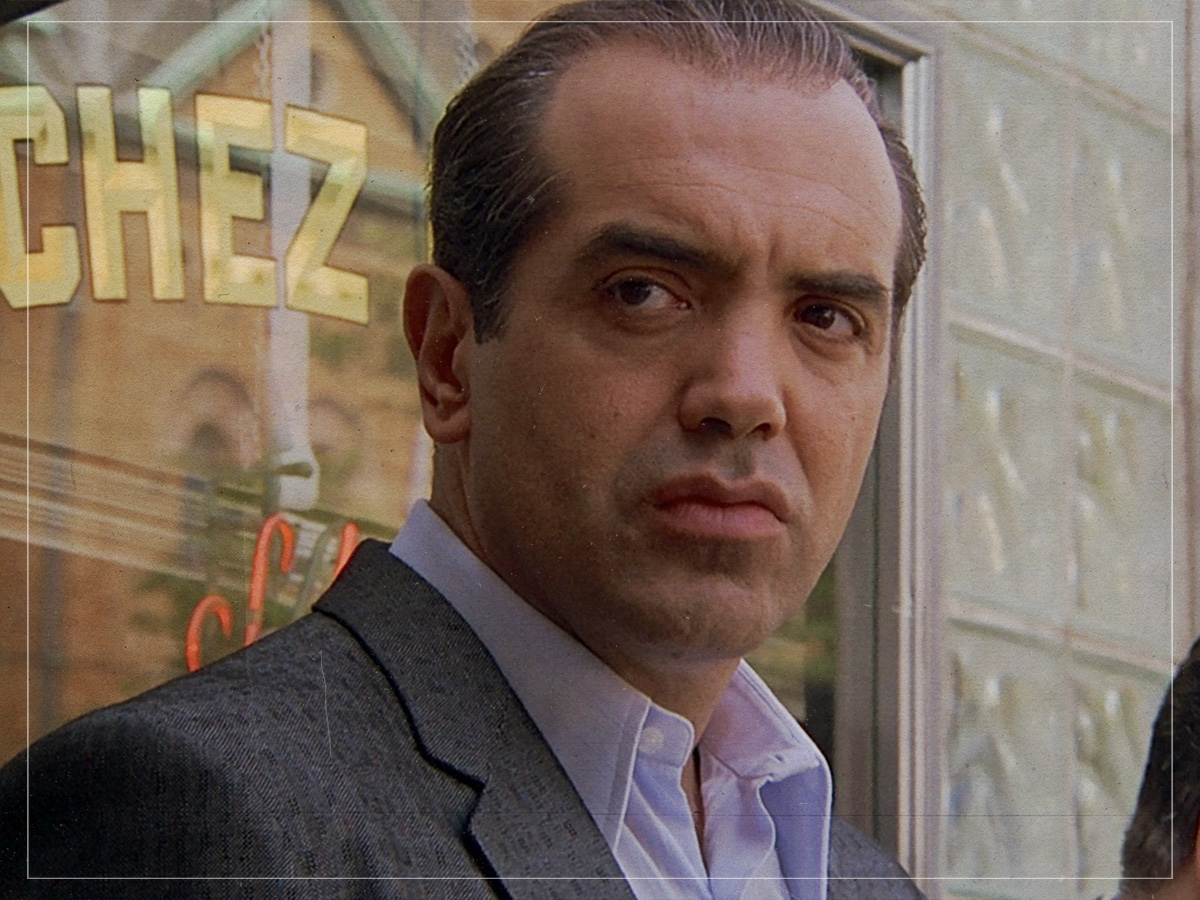
As soon as A Bronx Tale starts, it looks and feels like a Scorsese picture. In fact, you could be forgiven for assuming it is one, especially because it stars his muse, Robert De Niro, and is a coming-of-age tale set in a mob-owned neighbourhood of the Bronx in the ’60s.
Interestingly, though, the movie was actually De Niro’s directorial debut, and he first discovered the story when he saw future Usual Suspects star Chazz Palminteri’s one-man show in 1990. Based heavily on Palminteri’s own childhood, the show – and then the movie – told the story of Calogero, a young boy torn between two father figures: his real father, a hard-working bus driver, and a local Mafia boss who shows him a glimpse of another life.
It’s clear from the filmmaking style and thematic concerns of A Bronx Tale that De Niro was influenced a lot by his pal Scorsese, and is interested in exploring similar things. The movie is akin to Scorsese’s Mean Streets (which, of course, starred De Niro), and offers a realistic look at the lure of organised crime for young men growing up in such neighbourhoods. However, it also borrows some of the nostalgic atmosphere Scorsese infused the early parts of Goodfellas with, including more doo wop songs than you can shake a stick at, and a cast of plucky young characters as likeable as they are doomed to be sucked into a life on the other side of the tracks.
‘First Reformed’ (Paul Schrader, 2017)

Thanks to hits like Goodfellas and The Departed – or the chaotic, darkly funny Wolf of Wall Street – most people have a certain image in their head when they think of a Scorsese film. But in truth, he’s dipped into all sorts over the years: period dramas, musicals, psychological thrillers, even surreal late-night comedies.
One theme he keeps circling back to, though, is religious guilt. Scorsese has long wrestled with his faith, and that Catholic guilt shows up time and again – in Raging Bull, Bringing Out the Dead, Shutter Island, and of course, in his more overtly religious work like The Last Temptation of Christ and Silence.
When I watched First Reformed, written and directed by Scorsese’s Taxi Driver collaborator Paul Schrader, I immediately thought it was wading into similar religious waters. Sure, the Reverend played by Ethan Hawke in the film isn’t part of the Catholic Church, but he is suffering through the kind of crisis of faith that has affected many a Scorsese character.
Schrader puts Hawke’s Ernst Toller through a deeply troubling mental journey, as he becomes more and more despairing about the state of the world and his place within it as a man people look to for guidance. The film ultimately goes to some extremely dark places and has a few surreal flights of fancy, which echoes Scorsese’s work in Raging Bull and After Hours.
‘Boogie Nights’ (Paul Thomas Anderson, 1997)

In my opinion, Boogie Nights is the closest anyone’s come to making a film that feels as good as a proper Scorsese picture. And the wildest part? Paul Thomas Anderson was only 27 when he told the rags-to-riches story of high school dropout Eddie Adams and his rise as ’70s porn star Dirk Diggler. That’s just mad. The movie announced him as one of the best directors of his generation, and it’s easy to see why: even watching it today, Boogie Nights is still an explosion of energy that rattles by so quickly that you don’t even clock its hefty two and a half hour runtime.
Anderson’s never been shy about calling Scorsese one of his heroes, and it’s easy to spot the influence all over Boogie Nights. The whole thing plays a bit like Goodfellas set in the porn world with fast cuts, slick montages, long tracking shots weaving through buzzing parties, all backed by a thumping soundtrack and bursts of sudden violence that hit out of nowhere. Hell, Boogie Nights even mirrors Goodfellas‘ structure in that the first hour and a half is where all the fun is had, before cocaine gets involved, and everybody sinks into a desperate, drug-fuelled mire in the final stretch.
