


The five best horror movies of the 1960s that you’ve never heard of

You’ve watched Psycho, you’ve survived Night of the Living Dead, and you’ve even experienced the existential terror of Eyes Without A Face and Repulsion. What next?
The 1960s were a turning point for horror cinema, with Hollywood censorship slowly unclenching its arse and allowing for gory, graphic and downright disgustingly nasty flicks to break into the mainstream. With the release of various key films in 1960 – Psycho, Black Sunday and Peeping Tom to be precise – horror took a steady shift towards explicit, sexually-charged stories, and violent imagery started to look more realistic and stomach-turning than ever.
Horror truly came into its own, acting as a conduit for ripe social commentary, packed with the kinds of audience thrills that had never been seen before. Yet, as the genre started to develop at a rapid pace, many great movies sank under the radar, fading into the ether due to their low budgets or creation outside of Hollywood.
Many of the greatest horror movies are hidden gems, however, so here are five great scary movies from the 1960s that you might not have seen before.
The five best 1960s horror movies that you’ve never heard of:
‘Eye of the Devil’ (J Lee Thompson, 1966)
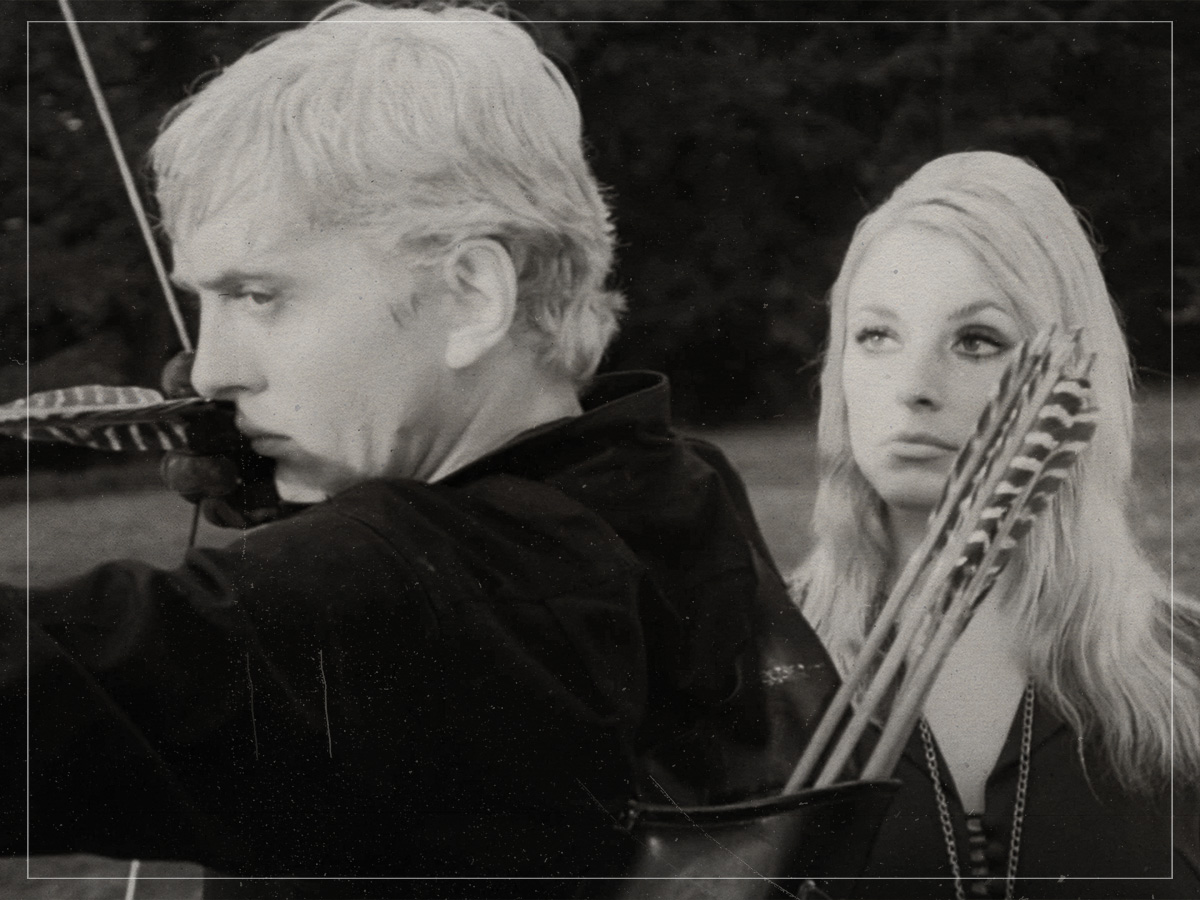
An underrated British horror like Eye of the Devil, from 1966, is not the sort of place you’d have expected to see Hollywood icon Sharon Tate. J Lee Thompson’s film takes us to a French country house, where a family discovers all kinds of strange secrets lurking behind their newly inherited property’s walls. Who doesn’t love a movie where hundreds of years of superstition and hidden secrets unravel themselves to horrifying effect?
The movie might not have been a hit, but if you’re looking for underrated British horror from the ‘60s, then look no further. British horror filmmakers have always had a knack for making the most mundane scenes or pastoral settings terrifying, and here, the dark truths hiding behind a gorgeous house are put on full display.
‘Juliet in Paris’ (Claude Miller, 1967)

Juliet in Paris might be only 17 minutes long, but it has enough striking imagery to leave the same impact as a 90-minute slasher. Released during the tail end of the French New Wave and starring Juliet Berto, going into the film blind might leave some viewers shocked, because what Claude Miller delivers is a lot darker than the similarly colourful works made by contemporaries like Jean-Luc Godard.
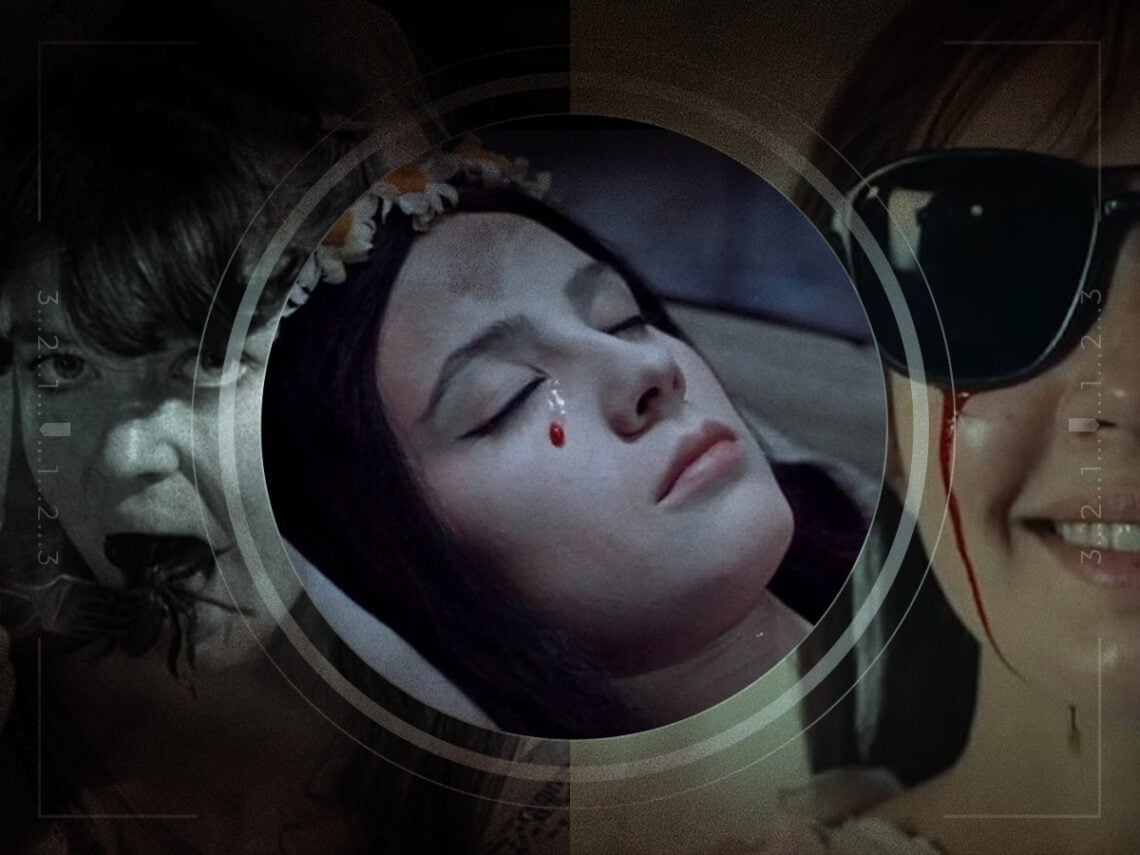
The film follows Juliet, a student in the French capital, as she gives into some strange impulses – including a vampiric desire to drink blood – and in one unforgettable scene, she appears to weep blood from behind her sunglasses. Your excuse to not watch the movie is lost with the extraordinarily short run time. Not typical in any sense of the word, except for a level of standardised doom that is impossible to avoid.
‘Spider Baby’ (Jack Hill, 1967)
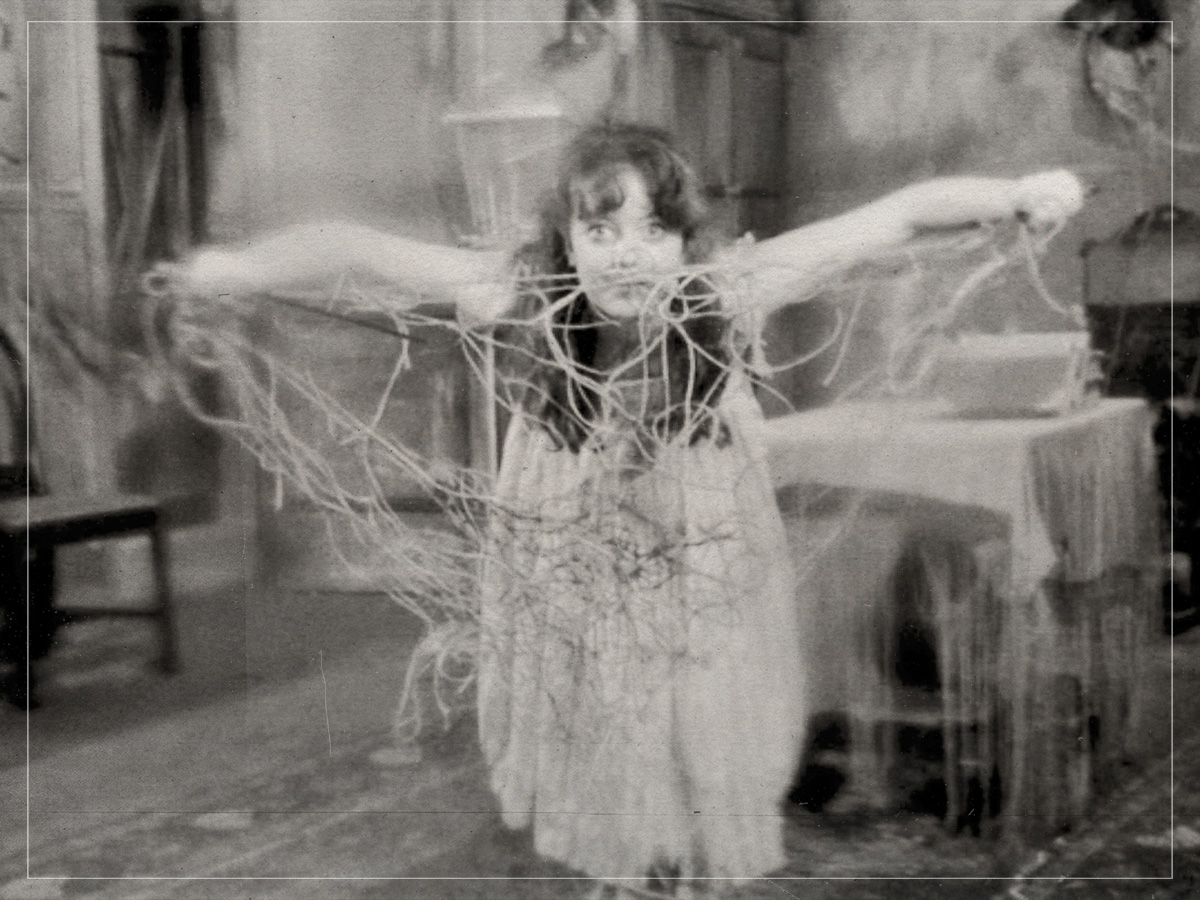
Horror and comedy go frightfully well together. Marrying the innate absurdity of uncanny figures, fending for your life, or encountering ghosts and ghouls, with truly terrifying imagery, comedy-horror can keep us on our toes – never knowing if the next scene will make us laugh or scream. With much low-budget horror comes unintentional humour and campiness, but then there’s those which embrace it wholeheartedly, like Spider Baby.
The story is woven of three siblings who act like besmirched children despite being full-grown adults. Their macabre interested include sadistic murder, and the movie continues in this unsettling vein, as it suggests that dark and perverse worlds can exist behind any facade.
‘Viy’ (Georgi Kropachyov, Konstantin Ershov, 1967)
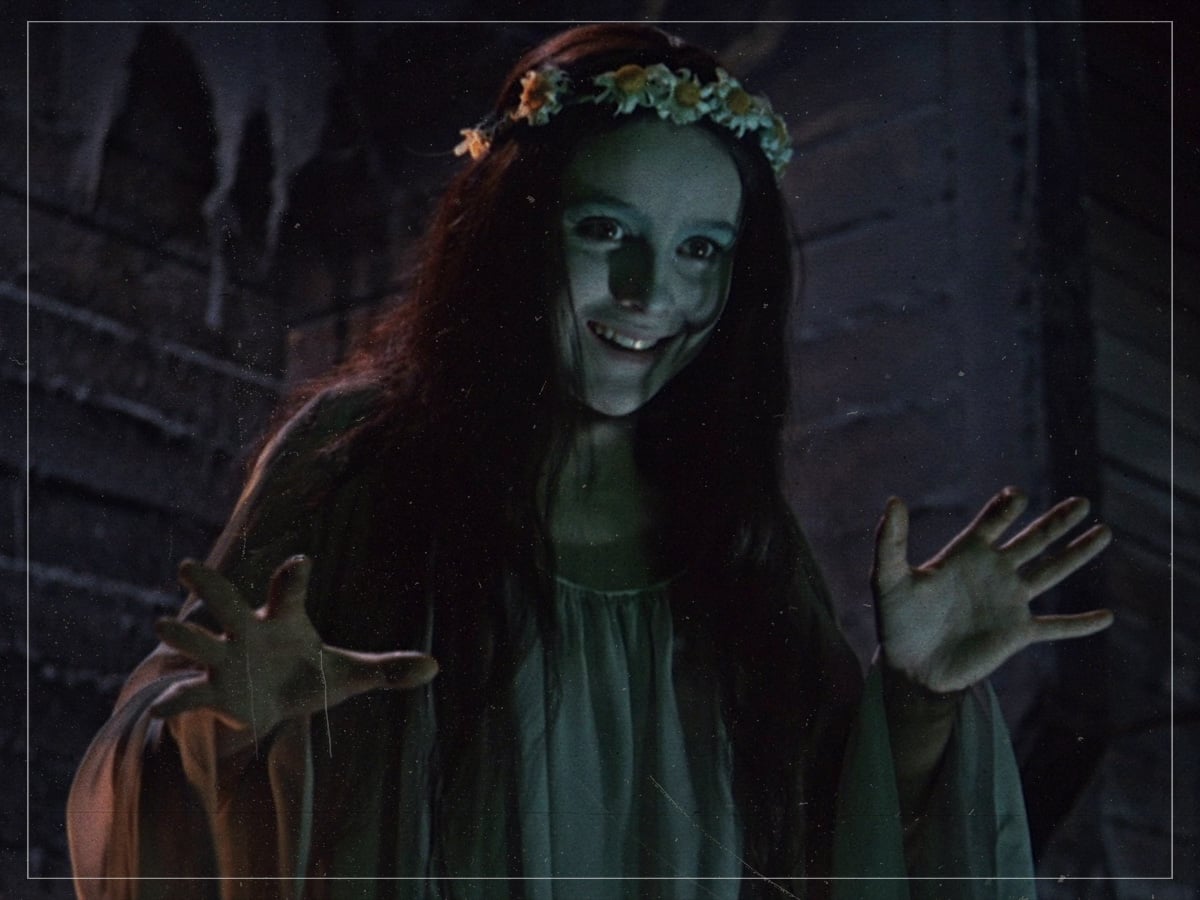
If you like the surrealist palette of movies like Valerie and Her Week of Wonders or Daisies, then you should get Viy by Georgi Kropachyov and Konstantin Ershov on your radar. In fact, Natalya Varley’s character literally looks like a cast member from the former film, but Viy actually emerged several years earlier, blending folk horror and fantasy in order to craft a mesmerising spell.
The film, based on a short story by Nikolai Gogol, sees a young priest accidentally kill a witch. Yet, when he is offered money to watch over her corpse and pray for her, events turn rather terrifying, to say the least. There’s a haunting beauty that shines throughout every frame of this gorgeously gothic picture. Tracking at under 90 minutes of runtime, the film allows us a brief exploration into the true meaning of faith.
‘Blood and Black Lace’ (Mario Bava, 1964)
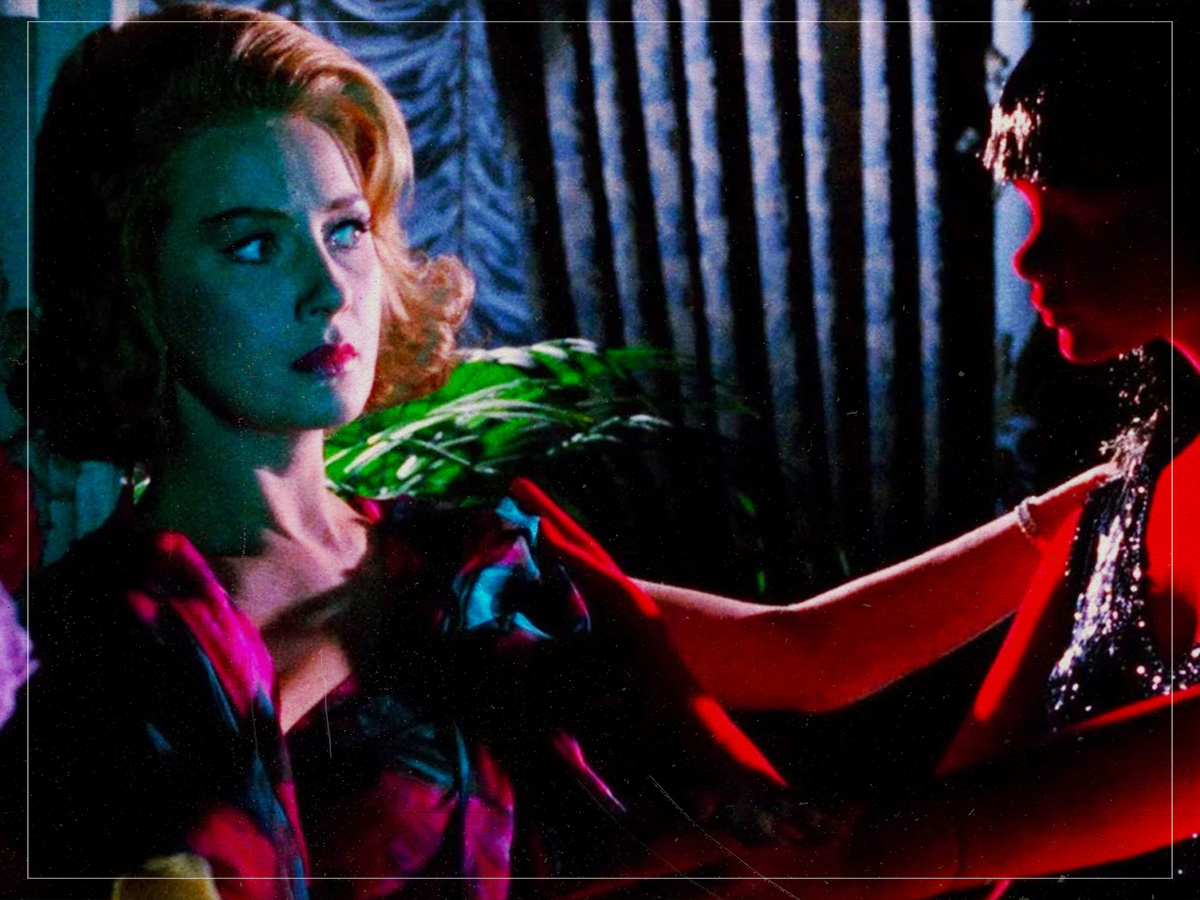
The title alone should be enough to draw you in. And, if it isn’t, then I’m not sure why you’re reading this list, because Mario Bava’s Blood and Black Lace has everything you could want from a ‘60s horror gem. A stunning title sequence illuminated in bright colours, a stylish high fashion backdrop, an intoxicating jazz score, and bright red fake blood – the early giallo film really has it all.
With a scandalous diary at the centre of a killer’s murderous ambitions, the film sees various Italian models reach their untimely fates while unsettling mannequins make for a perfectly creepy atmosphere. Bava was an Italian horror pioneer, so while seasoned giallo fans might be familiar with Blood and Black Lace, more casual fans of slashers and murder mysteries should certainly add it to their watchlists.
