


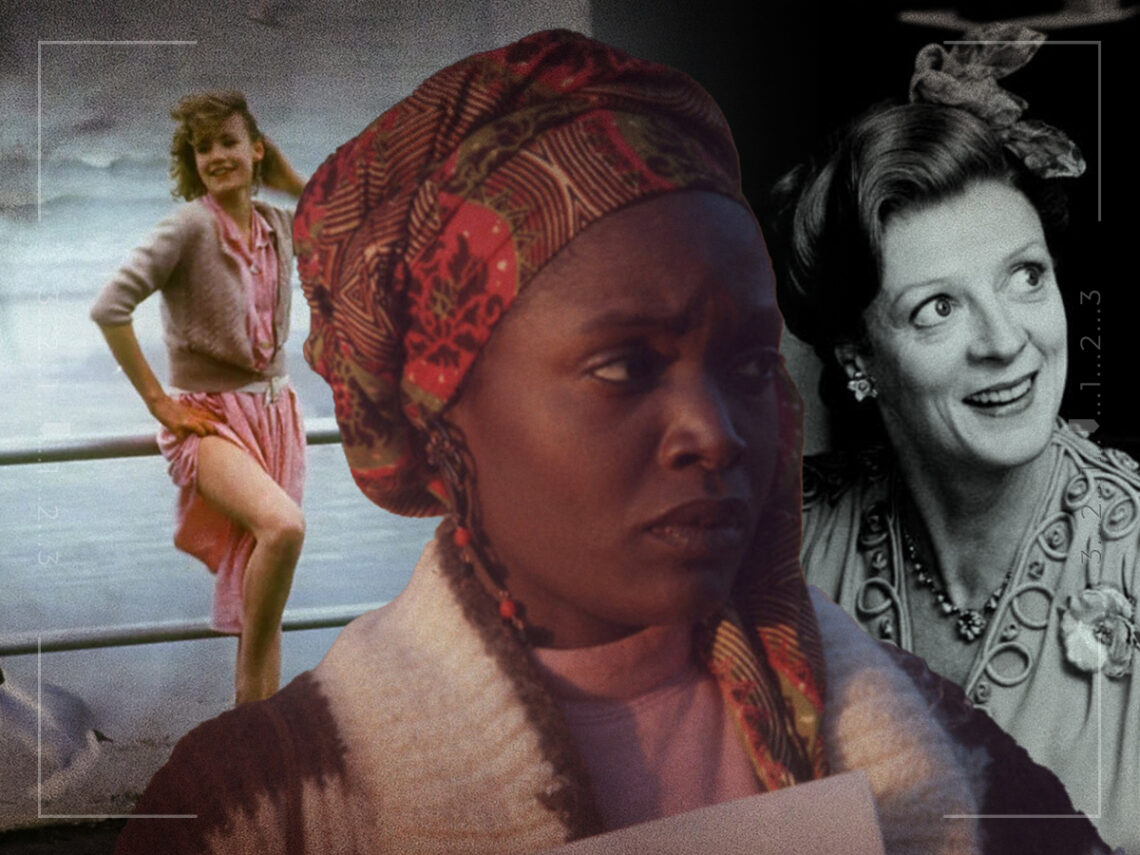
The five best British movies of the 1980s that you’ve never heard of

The five best 1980s British movies you might have missed:
‘A Private Function’ (Malcolm Mowbray, 1984)

When you gather some of Britain’s finest stars for a comedy centred on food rationing and black market pigs, you somehow get an incredibly underrated film, one that enough people certainly haven’t seen, so with a cast that includes Maggie Smith, Michael Palin, Alison Steadman, Denholm Elliott, and Pete Postlethwaite, A Private Function is a great Yorkshire-based comedy that sees desperate measures undertaken to ensure a feast fit for celebrating the Royal Wedding.
Set in the late 1940s, the film did manage to scoop up three Baftas, but in the years since, it seems like this British comedy has faded into relative obscurity. It’s a gem, though, full of great lines as well as cracking performances, and was even co-produced by George Harrison, but I’m sure only the most seasoned Beatlemaniacs will be aware of this fact.
‘Letter to Brezhnev’ (Chris Bernard, 1985)
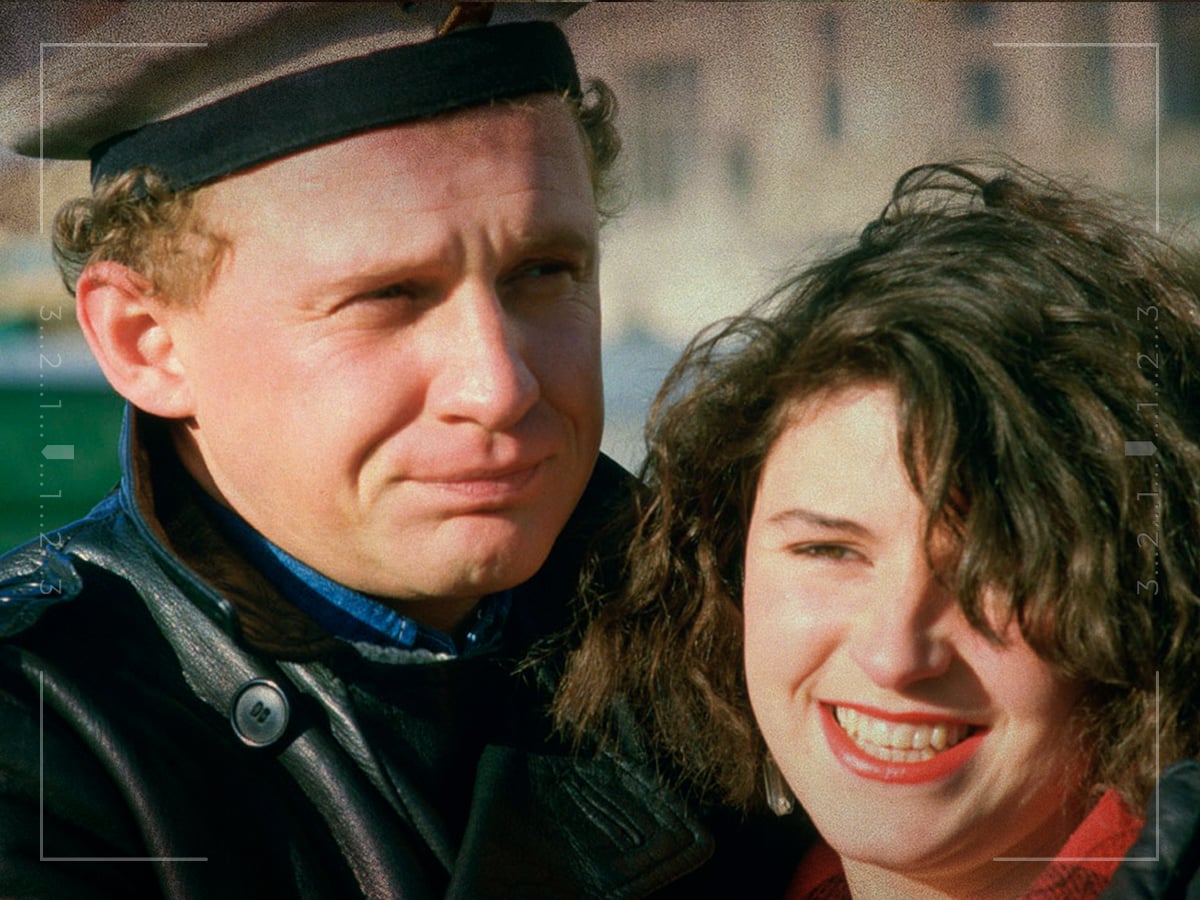
Chris Bernard’s Letter to Brezhnev captures the nightlife and dilemmas experienced by young working-class Brits with striking accuracy, making it one of the definitive encapsulations of Thatcher’s Britain on film. Here, we meet two young women, Elaine and Teresa, as they go dancing after work, soon meeting two Russian sailors who offer up the potential of a new, better life.
The girls feel like they don’t have anywhere to go besides their native city of Liverpool, brought up to accept their lives as employees in dead-end jobs, where the only sense of freedom can be found on the dancefloor on a Friday night. Living under the rule of a government who couldn’t care less about its working-class individuals, the film paints a poignant picture of wanting more, but being unsure of how to get there.
‘Wish You Were Here’ (David Leland, 1987)
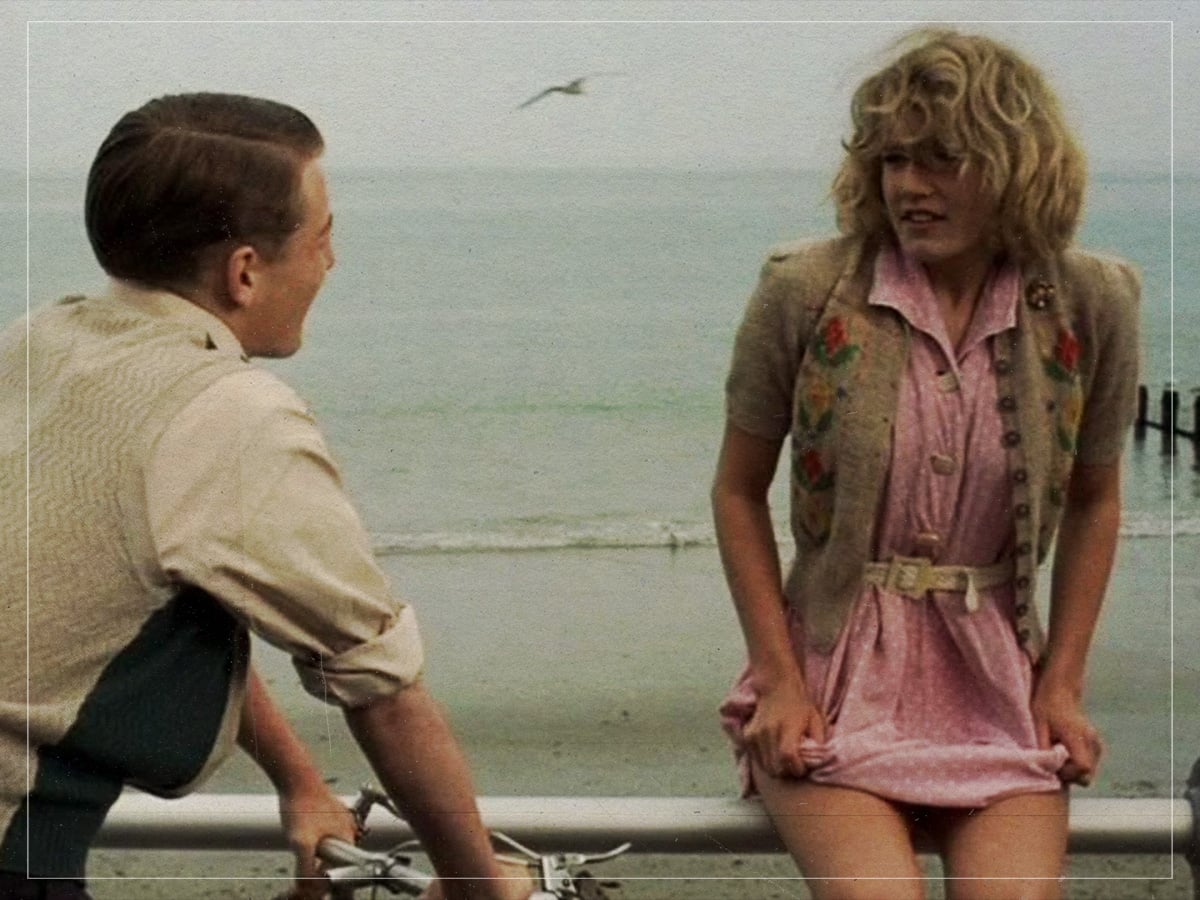
Coming-of-age cinema has rarely been as bold and brazen as Wish You Were Here, David Leland’s black comedy about a teenage girl who gets pregnant after sleeping with a middle-aged acquaintance of her father. Protagonist Lynda is an attention-seeking yet well-meaning 16-year-old who develops an obsession with sex and, quite frankly, doesn’t care about throwing around a crude insult or two. Considering that this all takes place in postwar England, Lynda certainly shocks those around her, including her disapproving father.
Leland’s film is one of resilience; with Lynda still grieving the loss of her mother, it moves between moments of uncomfortable yet painfully real encounters and much more lighthearted slices of hopefulness, and its reluctance to be either a bleak drama or a preachy, cautionary tale that makes it so charming. The film doesn’t shy away from some tricky themes, but is also anchored by Emily Lloyd’s terrific performance, which makes it a worthy contender on this list.
‘Paperhouse’ (Bernard Rose, 1988)
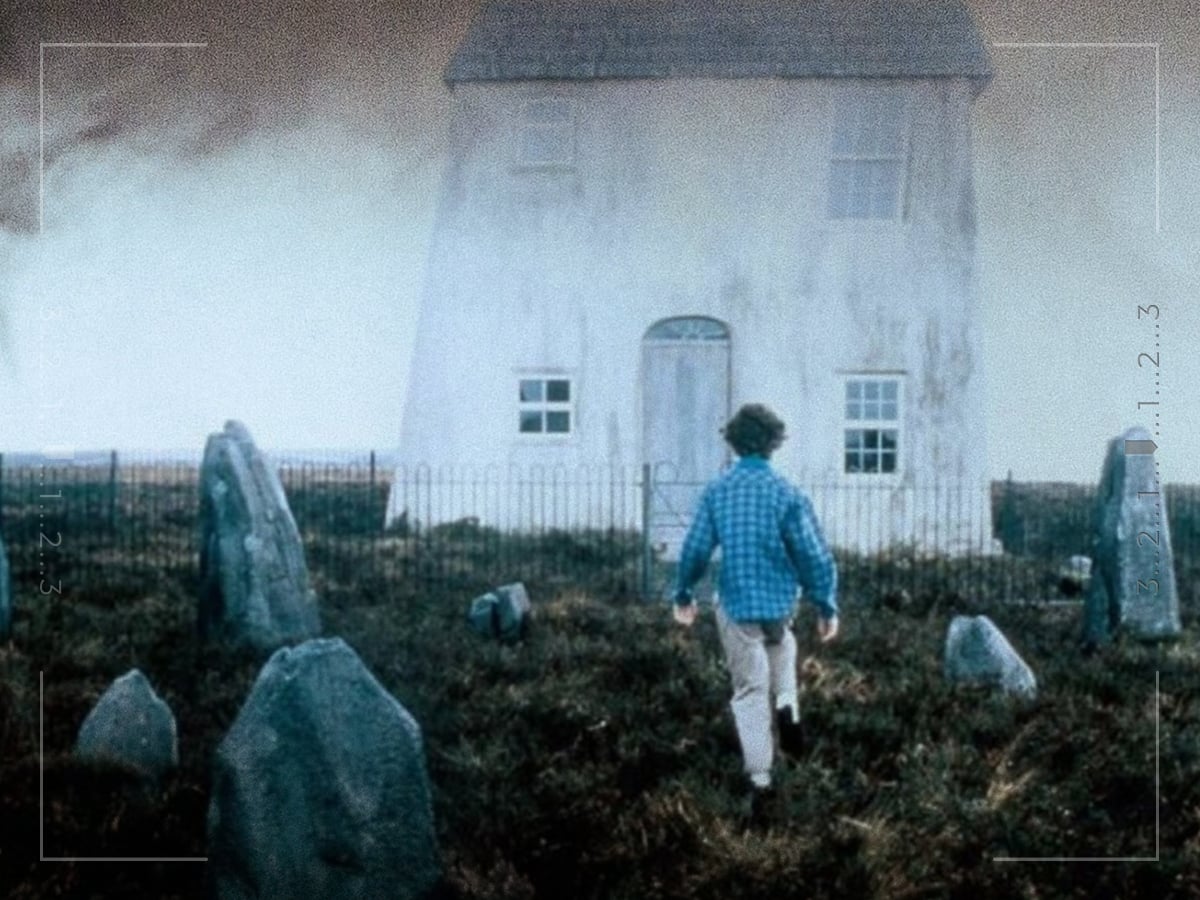
Paperhouse is the kind of film you might have stumbled upon as a kid and have found yourself unable to forget, even if you can’t be quite sure if what you remember is real or imagined.
Based on the children’s novel Marianne Dreams, the film follows a young girl who, when she goes to sleep, finds herself sucked into her own drawings, leading her to meet a young boy with muscular dystrophy, blurring the lines between real and fantasy, making for a low-budget children’s show with a Lynchian edge. While it might sound a little rough around the edges, it’s a truly captivating piece of cinema that deserves much more praise.
‘Burning an Illusion’ (Menelik Shabazz, 1981)
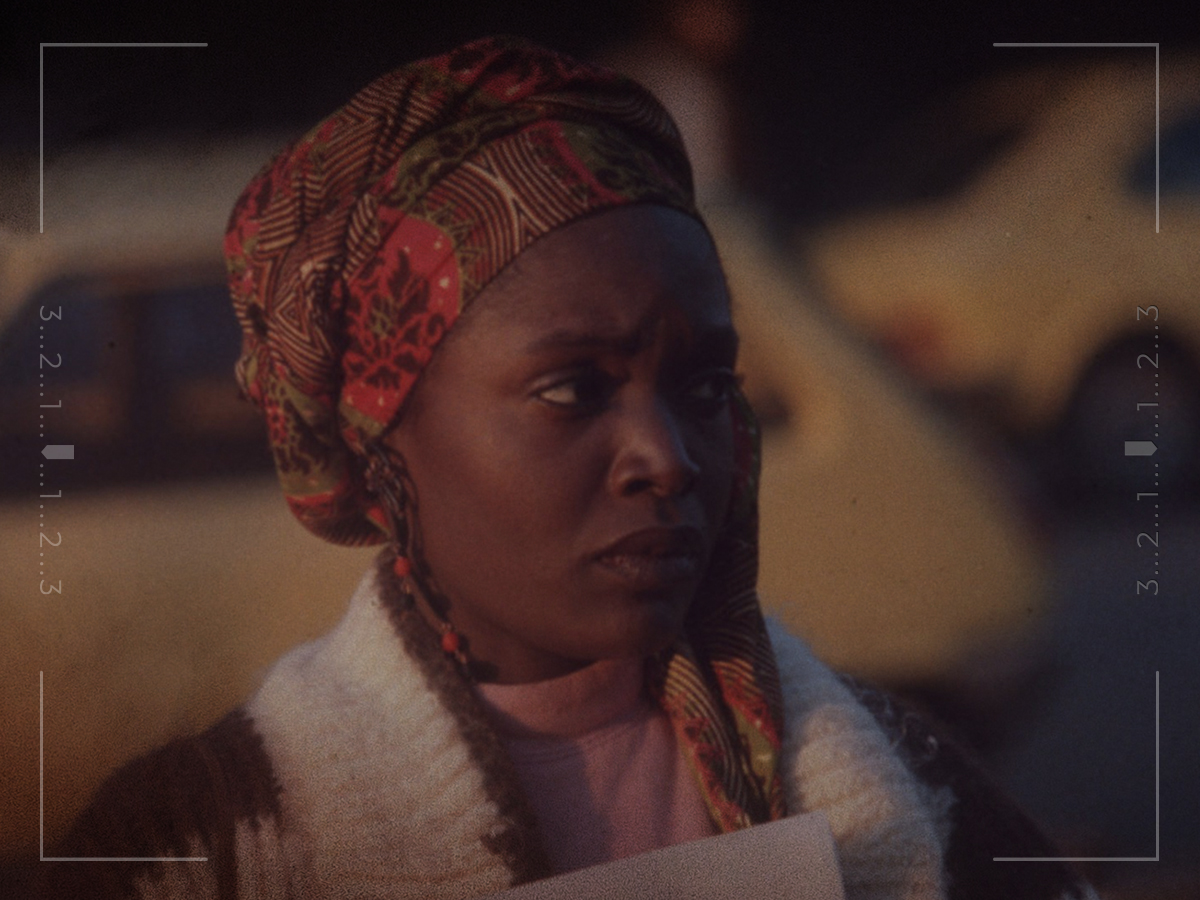
When Burning an Illusion was released in 1981, it stood as the second-ever British film helmed by a Black director. Until this point, there had hardly been any movies made about Black British culture besides Pressure and Babylon, so not only was this a well-needed addition to the canon, it was also the first to shine a light on the female experience.
The film follows Pat, a woman in her early 20s, as she undergoes both romantic and political transformation. She lives a rather normal, working-class life, and while she isn’t exactly sure what she wants, she knows she is ready to settle down with a boyfriend, although the one she finds proves to be a bit of a handful. It’s certainly an underrated slice of British cinema, taking an understanding and realistic look at a young woman’s life in a way that had rarely been seen on screen before.
