


Five artists who went new wave: From Alice Cooper to Paul McCartney

They didn’t call it new wave for nothing.
While such a tag can often be nebulously applied to a vast cohort of wildly different artists, the fact was that punk had upended the rock world and kicked open a new hinterland of new groups across post-punk, synthpop, ska revival, industrial, heavy metal, and countless other satellite bands, all owing absolutely nothing to the Woodstock bunch still clogging the charts.
New wave was an apt term, if rankling the punk purists, loathing its corporate whiff and drag ‘n’ drop fashion template. But it was here to stay, largely dominating much of pop’s creative course across the 1980s. A handful of old timers were already well acquainted. David Bowie practically invented the new wave, finding himself a welcome guest in the famed Blitz Kids hangout and leading the path he paved with 1980’s Scary Monsters (And Super Creeps), and Iggy Pop and Roxy Music had sufficient proto-punk pedigree to sail through pop’s new dawn unscathed.
For most, it was a tough ride, however. While not updating her sound, Cher decided to don wraparound shield shades for 1981’s neon I Paralyze album cover, albeit to no commercial success, while Rod Stewart didn’t lack for sales on the synthy Tonight I’m Yours, if spelling a dashing of his Faces glory days. Others, while facing a wobble, would borrow just a touch of the new wave to sharpen their sound, Queen and The Rolling Stones finding renewed success, and Rush embracing giant, phat keyboards to unlikely pop stardom.
A beguiling yet crucial chapter of popular music that no one was able to ignore, we select the five acts that had a storied grapple with punk’s smoking crater.
Five artists who went new wave:
Alice Cooper

By the end of the 1970s, Alice Cooper was in need of a new direction. Tired of the make-up and stale rock, coupled with a developing heavy cocaine addiction after a bout of alcoholism, Cooper toned down the shock shtick, teamed up with producer Roy Thomas Baker, who’d worked wonders on The Cars’ LP debut, and sought to gobble a slice of the new wave pie for himself.
What resulted was 1980’s limp Flush the Fashion, a supposed attack on identity loss scored by an identikit skinny-tie keyboard sound like every other third-rate new wave latecomer. Led by the surprising disco winner ‘Clones (We’re All)’, the single cover sporting about as austere a look as the frontman’s ever seen before or since, Cooper’s new wave dabble wasn’t an experience he remembered much, owing to the hedonist whirlwind surrounding its making.
Village People
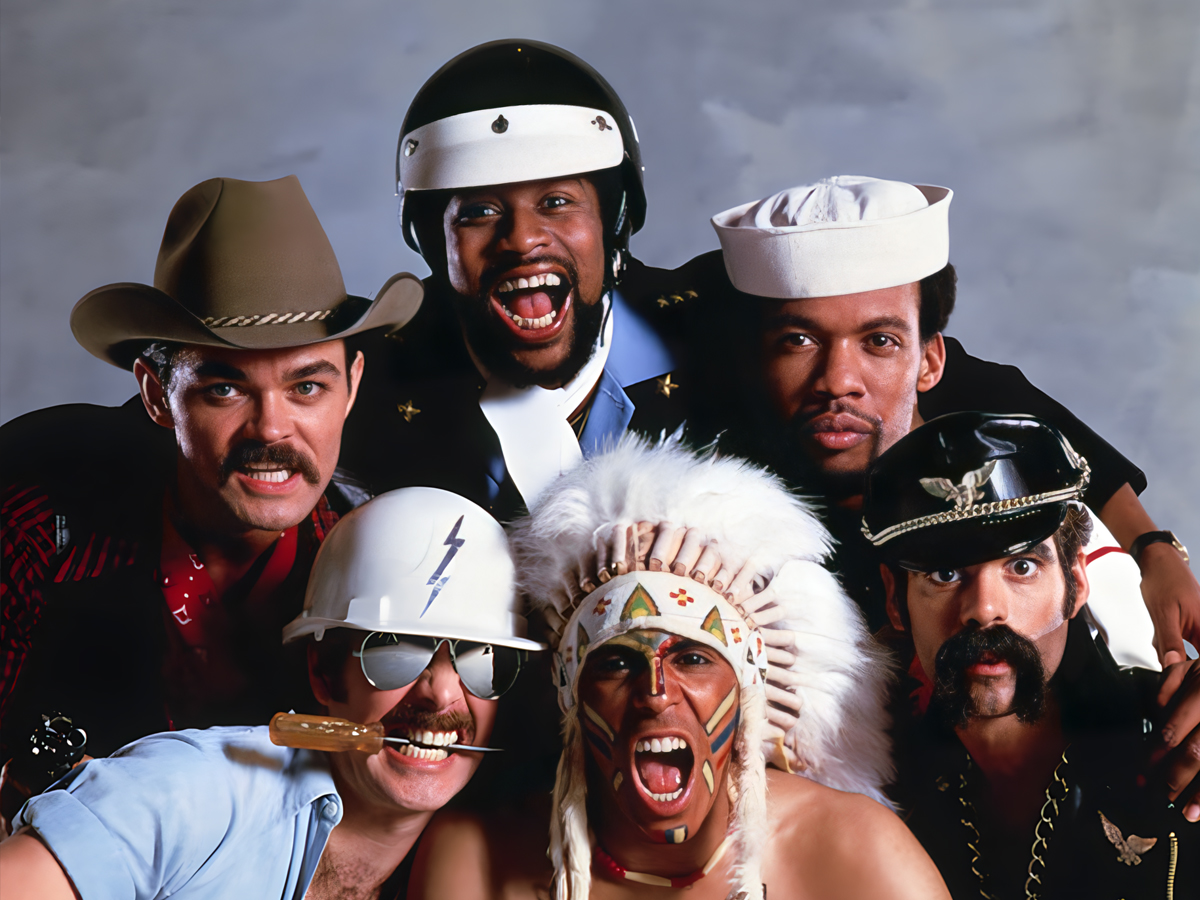
You’d think artistic evolution wasn’t really on the agenda for Village People. But by the time the new wave had arrived in earnest, the high-camp novelty disco act boasted an impressive five studio albums behind them across three years, all selling Gold or Platinum in the States and Australia.
Yet, numbers like ‘YMCA’ and ‘In the Navy’ were only going to carry so far. After the flop of their Can’t Stop the Music musical comedy, RCA label bigwigs eagerly sought a revised look for a new pop decade. Out were construction suits and figure-hugging biker leathers, in were new romantic make-up to ride the new wave bandwagon.
Dropped in 1981, and missing founding member and naval officer Victor Willis, who’d wisely scarpered beforehand, Renaissance was a bloody awful misfire but boasting one bizarrely fantastic saving grace, the effervescent punk pastiche ‘Food Fight’ so zingingly fun Aussie eggers Gee Tee and Research Reactor Corp would jointly cut their own version on 2019’s Rock Pig$ compilation.
Yes
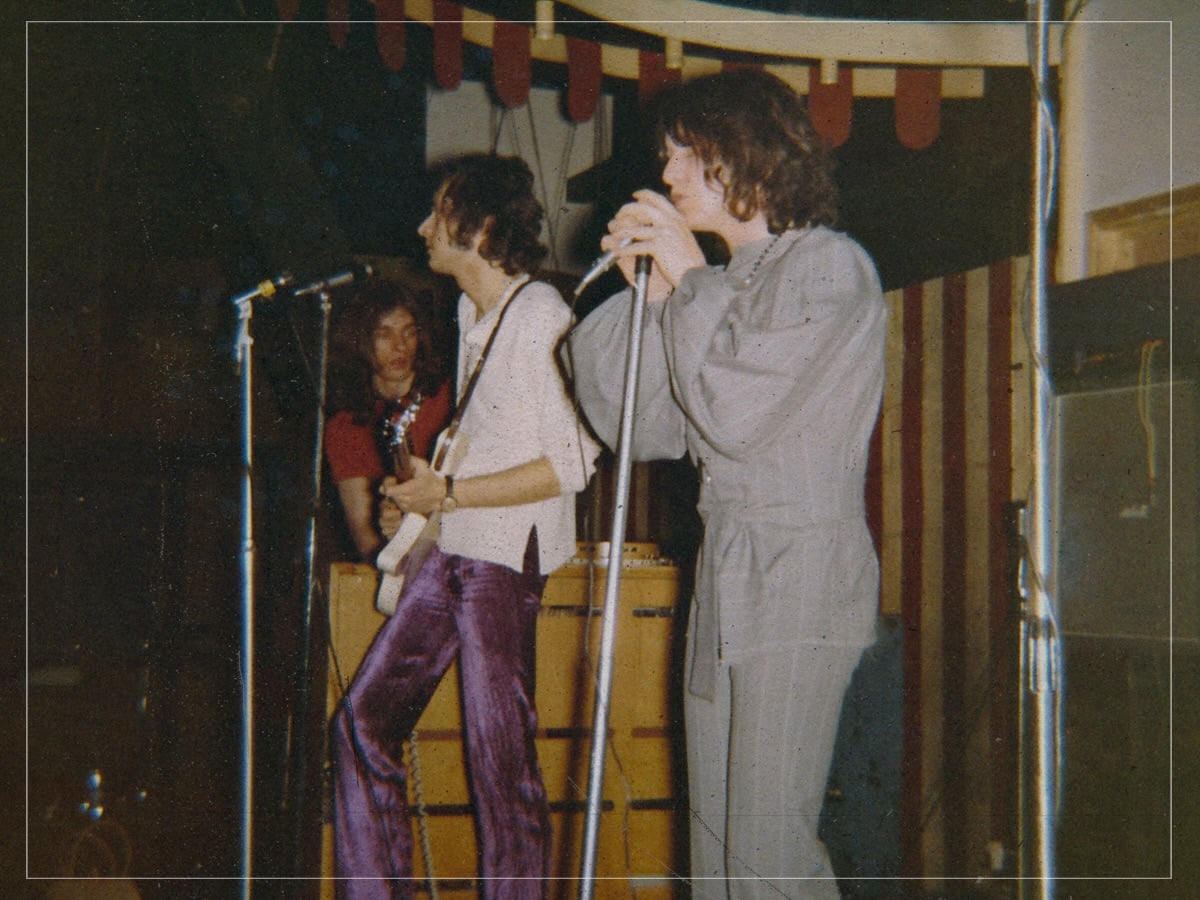
Ten years previously, prog rockers Yes were indulging in some of the worst excesses of the pointy-hatted indulgences of the era’s lofty progressive theatre, matched only by Emerson, Lake & Palmer’s tedious pomp. By 1983, however, the ailing proggers found a fruitful collaborator with producer Trevor Horn, who whacked the latest sonic innovations of the Fairlight CMI over a now tauter and refined pop incarnation of Yes, pushing them to the peaks of the pop charts after punk had seemingly snuffed their likes out for good.
Embracing the new wave era’s digital synth gloss, ‘Owner of a Lonely Heart’ and its 90125 album would propel Yes to MTV fame, an unthinkable feat considering their standing only a few short years earlier. They were back, Yes’ smash number topping the US singles chart and heralding a new era of commercial renewal.
Paul McCartney

It’d been a rocky decade for Paul McCartney. While gleaning some much-loved records like Wings’ Band on the Run and the immortal ‘Maybe I’m Amazed’ just as The Beatles had come to a close, it was clear that McCartney’s songwriting magic was severely lacking vim, swerving across the 1970s with plenty of execrable efforts, both solo and in his famed second venture.
After Wings’ disbandment, McCartney entered the studio entirely by himself and his Yamaha CS-80 and ARP Sequencer to cut his second true solo album. Taking cues from the taut and minimal new wave electronics in the air, 1980’s McCartney II, all recorded and produced himself, would breathe much-needed vitality into the former Beatle’s creative juices, reeling off the chirpy ‘Coming Up’ and ‘Temporary Secretary’s hectic nod to Devo, faux-midwestern accent to boot.
Such a comeback, John Lennon was purported to have kicked himself up the arse to begin work on that year’s Double Fantasy due to ‘Coming Up’s maddeningly infectious pop spirit.
Robert Palmer
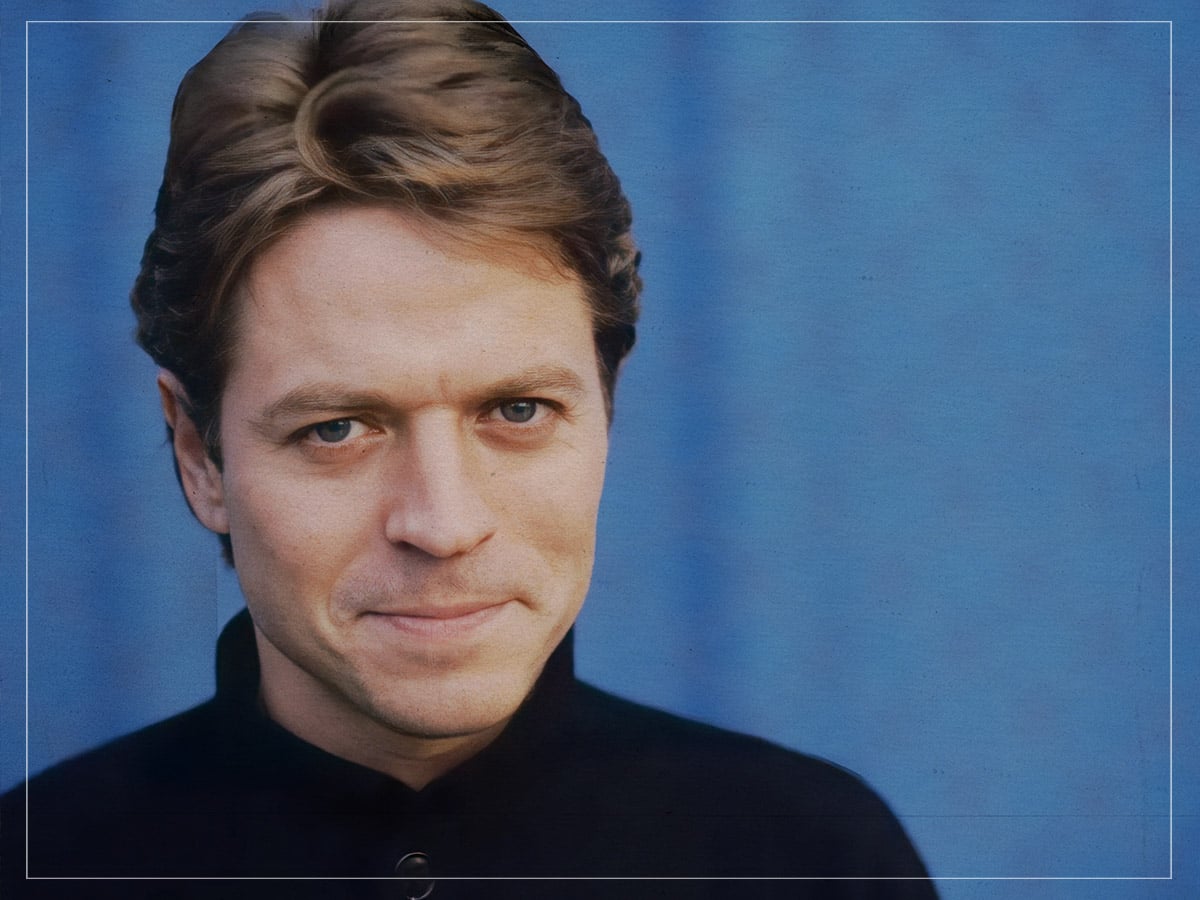
Throughout the 1970s, Yorkshire crooner Robert Palmer had won a global fanbase from his infectious brew of R&B, blue-eyed soul, and just a dash of rock swagger across a string of commercially successful albums. Like a West Riding alternative to Bryan Ferry, Palmer too flexed a sophisticated classiness, destined for many a teenage girl’s bedroom wall as one of the day’s pop heartthrobs.
He was also a man of eclectic taste. Alongside his lifelong love of jazz and the sunnier end of rock, the enveloping new wave stuck a hook in the ever inquisitive Palmer, dolloping 1980’s Clues with heavy amounts of synths and electronic textures. It worked. Boasting a Gary Numan cover featuring the android himself on ‘I Dream of Wires’ and leading with ‘Looking for Clues’ fizzy bounce, Palmer pulled off the new wave trick with aplomb, scoring a career highlight.
Ever the intrepid music fan, Palmer would later famously cover underground punk heroes Hüsker Dü’s ‘New Day Rising’ live while on tour in the mammoth aftermath of his ‘Addicted to Love’ smash.
