



Five albums from Factory Records that changed the world

It can’t be overstated how gargantuan Factory Records’ presence looms in the history of British music.
Co-founded by local TV personality and impresario visionary Tony Wilson in 1978, Factory operated across its initial 14 years as a means to champion the largely Manchester-based acts that excited the label team. This could be at fault. Always guided by enthusiasm, extravagant artworks, saying yes to most projects, and sparing little to fulfil their roster’s visions meant an independent venture forever wavering on bankruptcy and financial oblivion.
But such infectious clamour for what was good over necessarily viable meant the little label invariably would nudge culture toward their own, idiosyncratic direction. Making landmark splashes amid the post-punk revolution, before making a name by taking on cutting-edge imports, cultivating dance culture with the much-loved Haçienda club, before quite literally stamping the ‘Madchester’ label to the city’s explosion of psychedelic rave cool at the end of the 1980s, Factory proved indispensable to the Northern cultural fabric and beyond, until calling it a day in 1992.
It’s all too easy to lapse into indie hagiographies when assessing Factory’s shaping of UK underground music, but a brief perusal across the label’s discography quickly makes clear just how pluckily fearless Wilson and Co were during Factory’s heyday. Boasting a rich and always intriguing roster of artists and releases, we rifle through Factory’s legacy and pick out the essential five that made the deepest impact.
Five albums from Factory Records that changed the world:
A Certain Ratio – ‘Sextet’
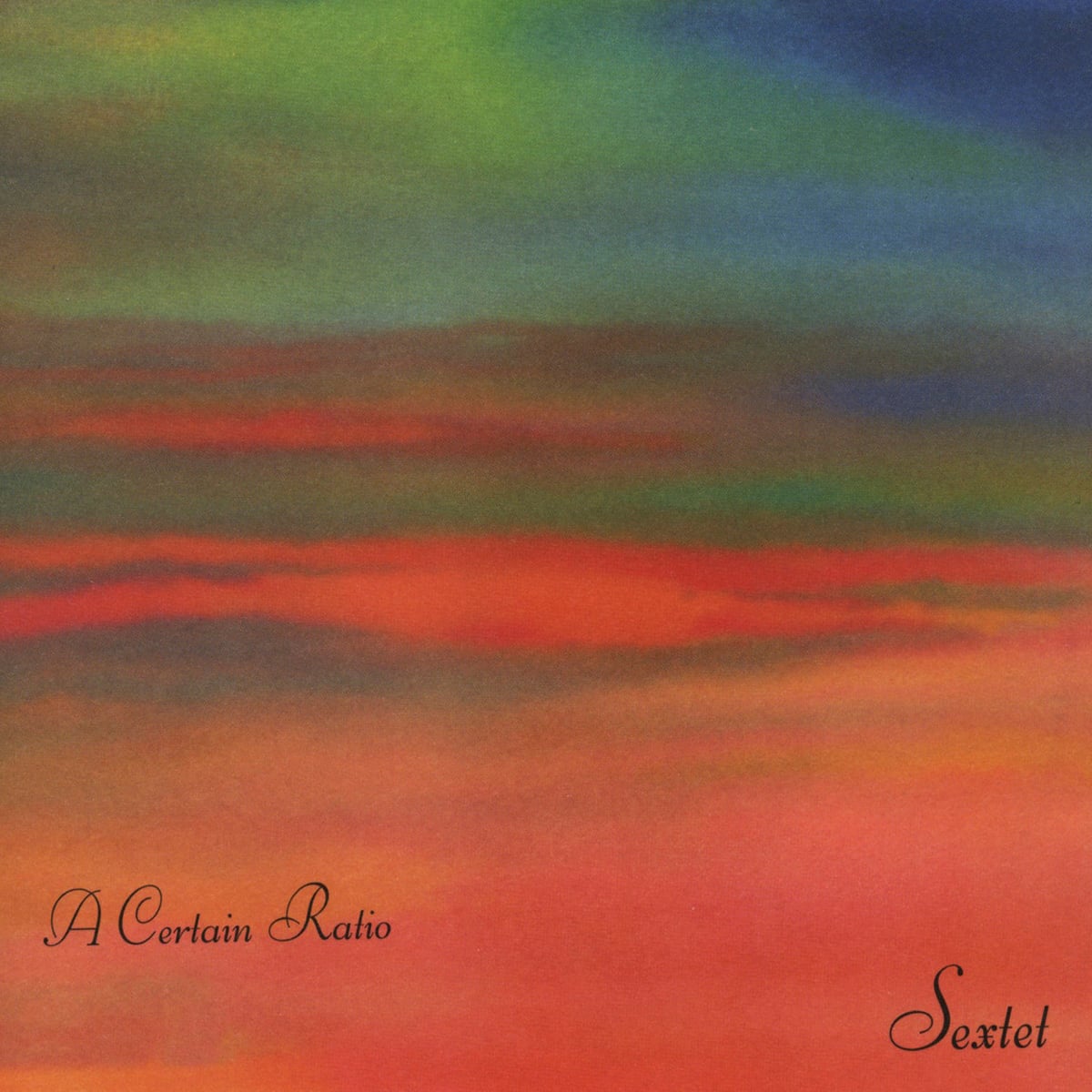
Release Date: January 1982 | Producer: A Certain Ratio | Catalogue: FACT 55
Soaking up the mutant disco brewing in New York, post-punks A Certain Ratio sought to shake off producer regular Martin Hannett’s signature sound for a thicker, tougher, and more groovy affair for their third album, Sextet. In came deeper submerges in askance brass blasts, skewed funk, and the febrile tensions that lie between the band’s no wave dispassion and hooky, dancefloor urgency.
Presaging Factory’s move into the world of club and dance music, Sextet, in their own eccentric way, set the stage for the Manchester explosion set to culturally define the city for decades, A Certain Ratio paving the way with sprightly, belligerent aplomb.
The Durutti Column – ‘The Return of the Durutti Column’
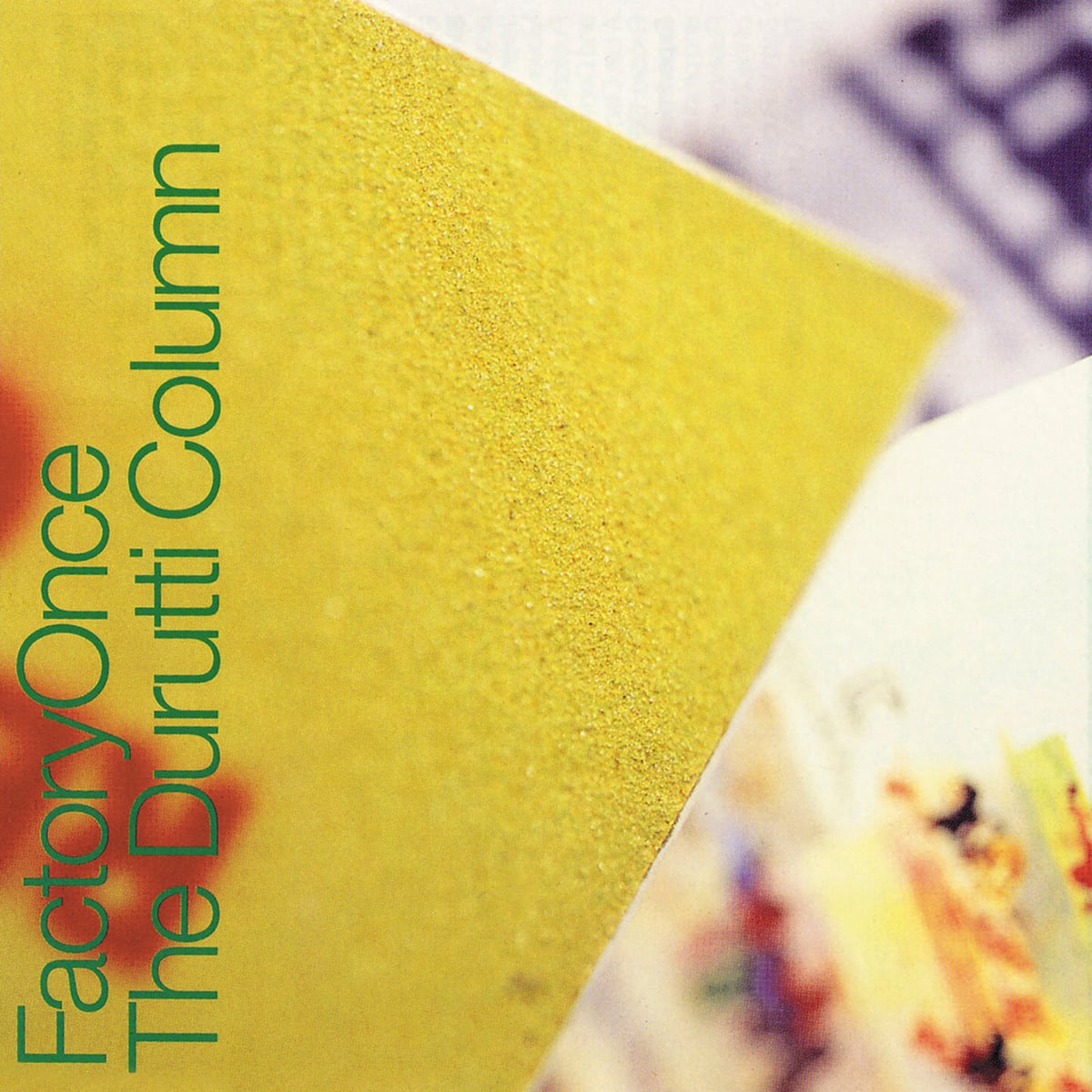
Release Date: January 1980 | Producer: Martin Hannett | Catalogue: FACT 14
Like a flip to Joy Division’s stinging austerity, producer Hannett lent his knack for brittle atmospheres to guitarist Vini Reilly’s delicate classical fretwork. First hinted at on the famed A Factory Sample compilation EP, Reilly’s The Durutti Column’s debut album attested to the Manchester label’s instinct for artistic unorthodoxy.
Equally as famed for its abrasive artwork – the first 2000 copies packaged in coarse sandpaper, put together with the help of Joy Division – The Return of the Durutti Column dwelled in impressionistic instrumental sketches, rippling together with Reilly’s amorphous guitar washes and Hannett’s sonic sculpt. While Factory boasts bigger names and more lauded albums, many would plump for The Durutti Column’s LP entrance as a more moving and important work.
Happy Mondays – ‘Bummed’
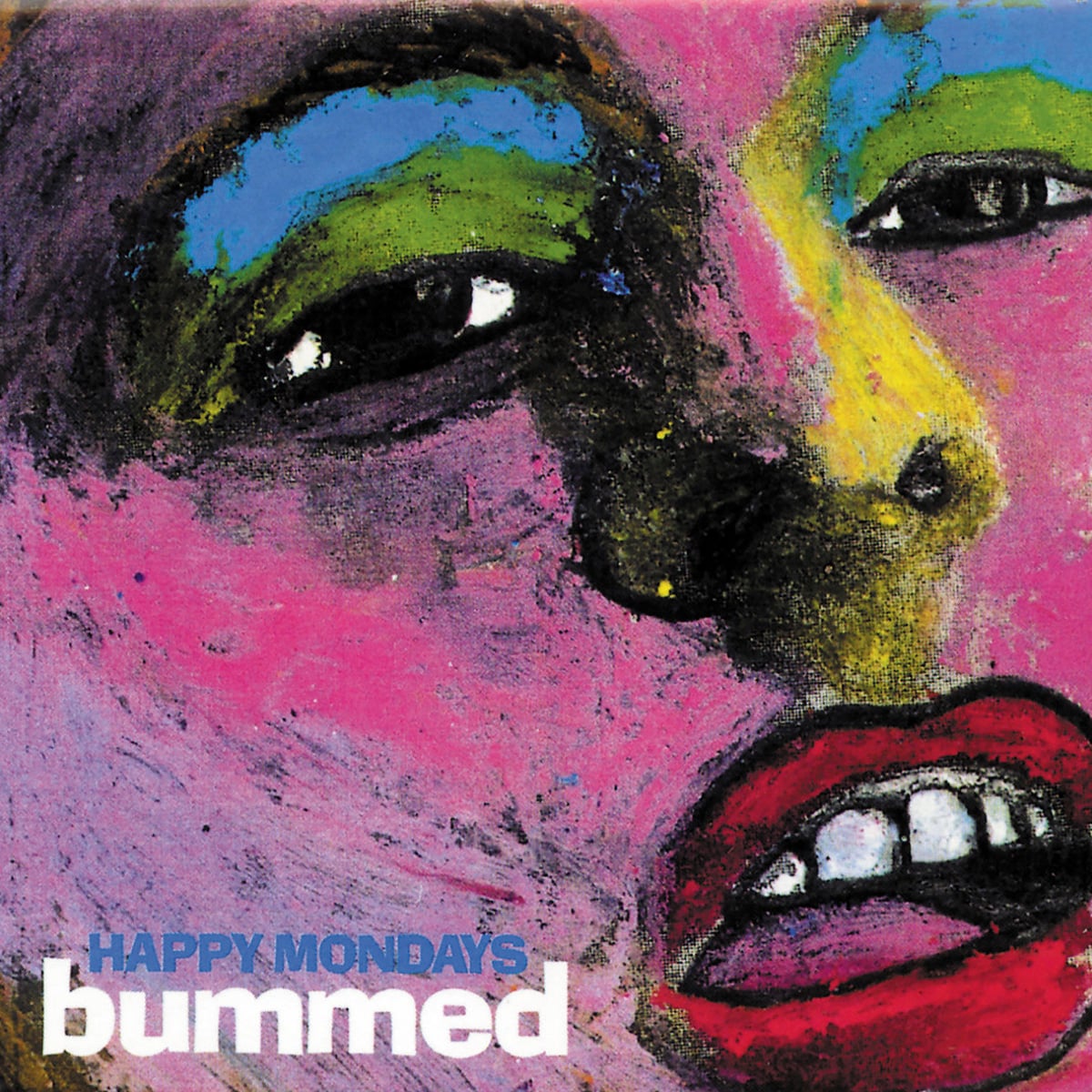
Release Date: November 1988 | Producer: Martin Hannett | Catalogue: FAC 220
During the peak of acid house’s ‘Second Summer of Love’, Happy Mondays muscled their way to the fore of the rave subculture litany of DJs and producer collectives as a legit band while still complete authorities on the dayglo underground.
Making the ‘Madchester’ mark with debut Squirrel and G-Man Twenty Four Hour Party People Plastic Face Carnt Smile (White Out), Bummed was where the magic was potently unearthed, a swirling cascade of psychedelic jangle and strung-out indie that felt completely at ease with dance music despite posturing as a lysergic rock outfit.
Factory would unleash essential albums in the alternative music world, but none can claim to have ensconced themselves into the national affections of the UK quite like Bummed, cementing Happy Mondays’ presence in the UK pop tapestry from then on.
New Order – ‘Power, Corruption & Lies’
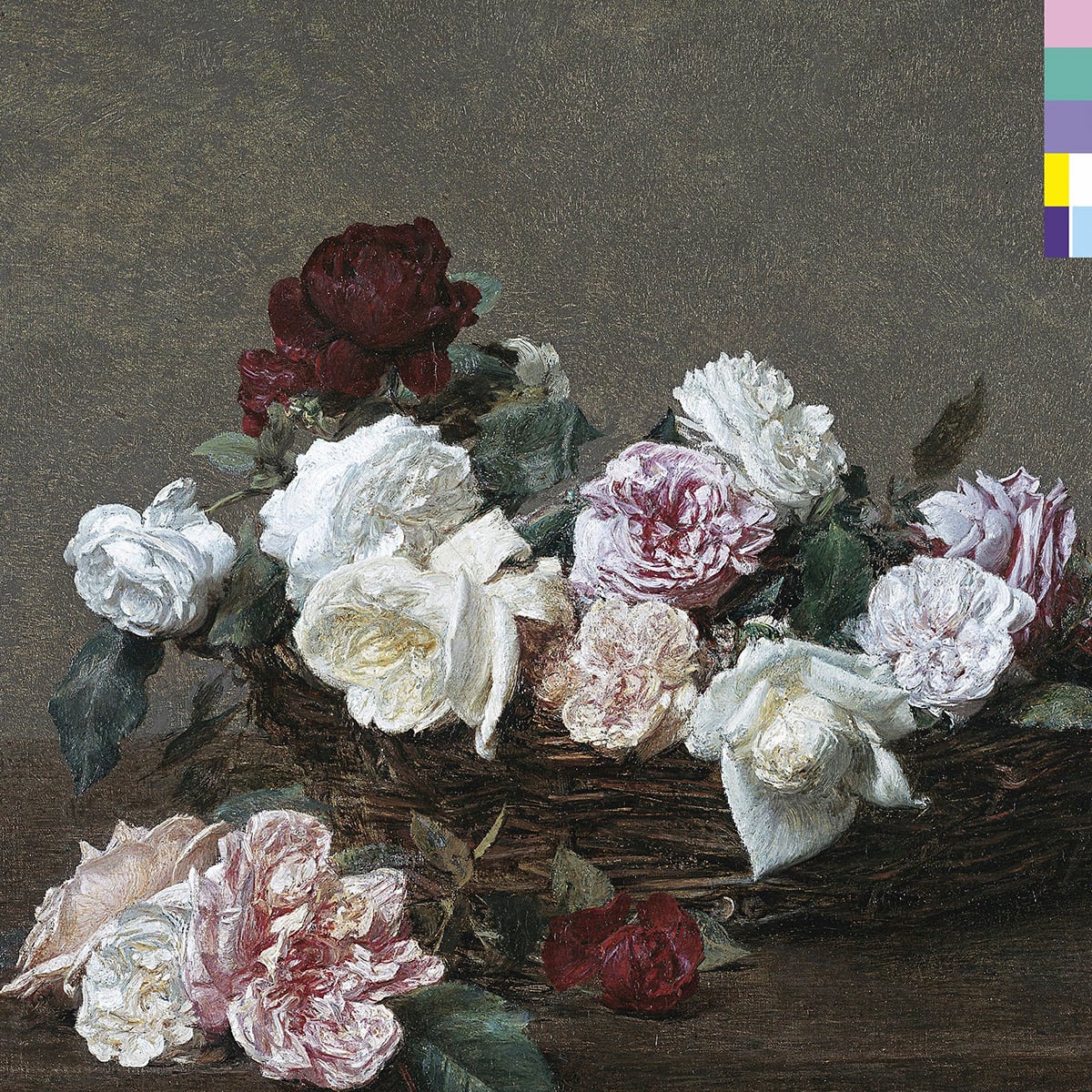
Release Date: May 1983 | Producer: New Order | Catalogue: FACT 75
After the death of frontman Ian Curtis, New Order rose from Joy Division’s ashes with an admirable, if creatively unsure, debut LP. A further immersion in New York’s underground dance culture, an embrace of electronic music’s possibilities, and the megahit of ‘Blue Monday’ pointed the way for New Order’s renewed sonic identity.
It turned out that dance and indie could get along just fine. Brimming with revitalised confidence, sophomore effort Power, Corruption & Lies steadfastly balanced their synthpop fancies with an ever incisive and sharp songcraft, following ‘Blue Monday’s example by adding a little shadow on the dancefloor while beckoning the post-punks to embrace some disco shimmer.
Fantastic records would follow, but it’s Power, Corruption & Lies’ crucial burnish that saw Factory’s greatest asset realise what the pop heights they were capable of.
Joy Division – ‘Unknown Pleasures’

Release Date: June 1979 | Producer: Martin Hannett | Catalogue: FACT 10
While the sophomore finale of 1980’s Closer may yield a more majestic funereal march, LP debut Unknown Pleasures marked the arrival of Joy Division’s burningly original voice among the post-punk cohort.
Taut rhythms, spiky guitar attack, metronome drums, and spider basslines all wrestle together amid the black expanse of Hannett’s sonic abyss, scoring the anguished lyrical terrain wandered by their troubled frontman, Ian Curtis. Even as its 50th anniversary looms in a few short years, Unknown Pleasures still cracks and fizzes with timeless permanence, unveiling a transportive realm of chilly ruminations far beyond a band who were barely out of their teens.
Unknown Pleasures has lost none of its punch, cementing Factory’s intrepid risk-taking and creative gambles on a band who held a vision no one else was able to spot amid the burgeoning new wave.
