


The first musician to win gold at the Olympics

Music has always been a subjective medium, just like other primary art forms. For every song heralded as a classic, just as many people could argue that the track is one of the worst musical abominations that have ever laid ears on, and they would be any more wrong or right than anyone else. Music is meant to have a subjective viewpoint towards anyone who cares to hear it, but there was a time when music could be used for sport at the Olympics.
Even before music was recorded correctly, the Olympics had already tried bringing the world together through the magic of competition. No matter what kind of sport was eligible, several athletes would try their hand at showcasing the best physical ability their countries had to offer, showcasing the raw physical strength it took to best their opponents.
At the start of the 20th century, though, there was an idea about applying the same logic to music. Looking to celebrate the arts of various cultures, many countries would try their hand at writing music that could apply to the arts category, often looking to score gold for whatever brilliant melody would pop into their head.
Beginning in the mind of Pierre de Coubertin, the 1912 Olympics were the first of its kind to reintroduce the arts as a primary voice in the Olympic games, featuring a lion’s share of music showcased from around the world. While this was meant to restore the Olympic games to their roots of both arts and sports, there were many discrepancies as to what the arts division should entail.
Although the idea seems fine on paper, there’s usually a lot more that goes into judging music than judging a sport. Not having to focus on the physical strain that an instrumentalist puts on themselves to complete the musical piece, the metrics of judging the piece remained obscure, with the judges not even bothering to award any medals if they thought that none of the songs were up to their standards.
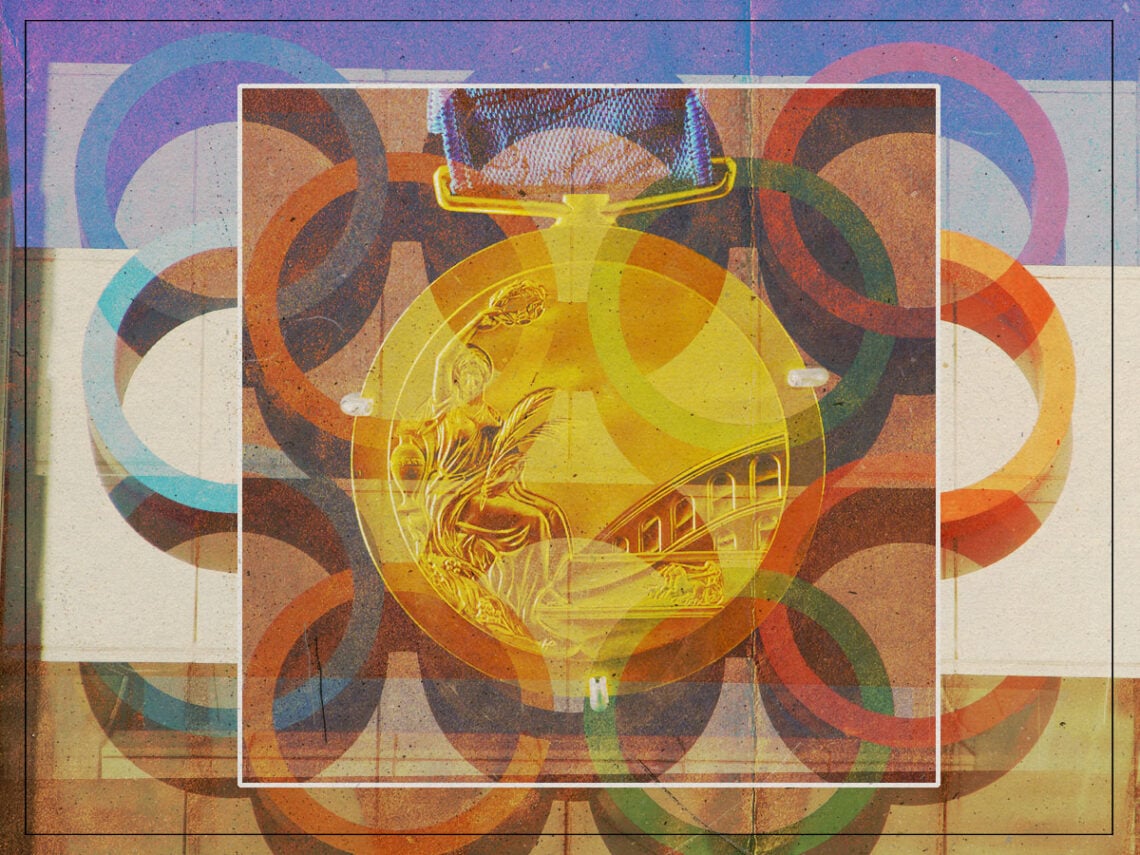
In 1912, though, Ricardo Barthelemy from Italy was the first artist to have a song win a gold medal, winning for the song ‘Olympic Triumphal March’. Although this marked a significant turning point for the Olympics having a selection for the arts, it would be the only time that any such medal was given out during a ceremony.
While as many as 17 people have been awarded medals for the arts over the years, none have been able to win gold at the Olympics for their contributions. In the years since, most of the artistic vision that goes along with the worldwide competitions has been mainly reserved for the opening and closing ceremonies.
Looking back on every single opening ceremony of the past few years, the lighting of the Olympic fire has been punctuated by massive performances featuring songs that are native to the host country or artists playing tracks inspired by the games. Even though many musical veterans have tried throwing their hat into the ring occasionally, the lack of any true musical victor since the 1950s proves music’s subjective nature rather than the objective ruling of good or bad.
