


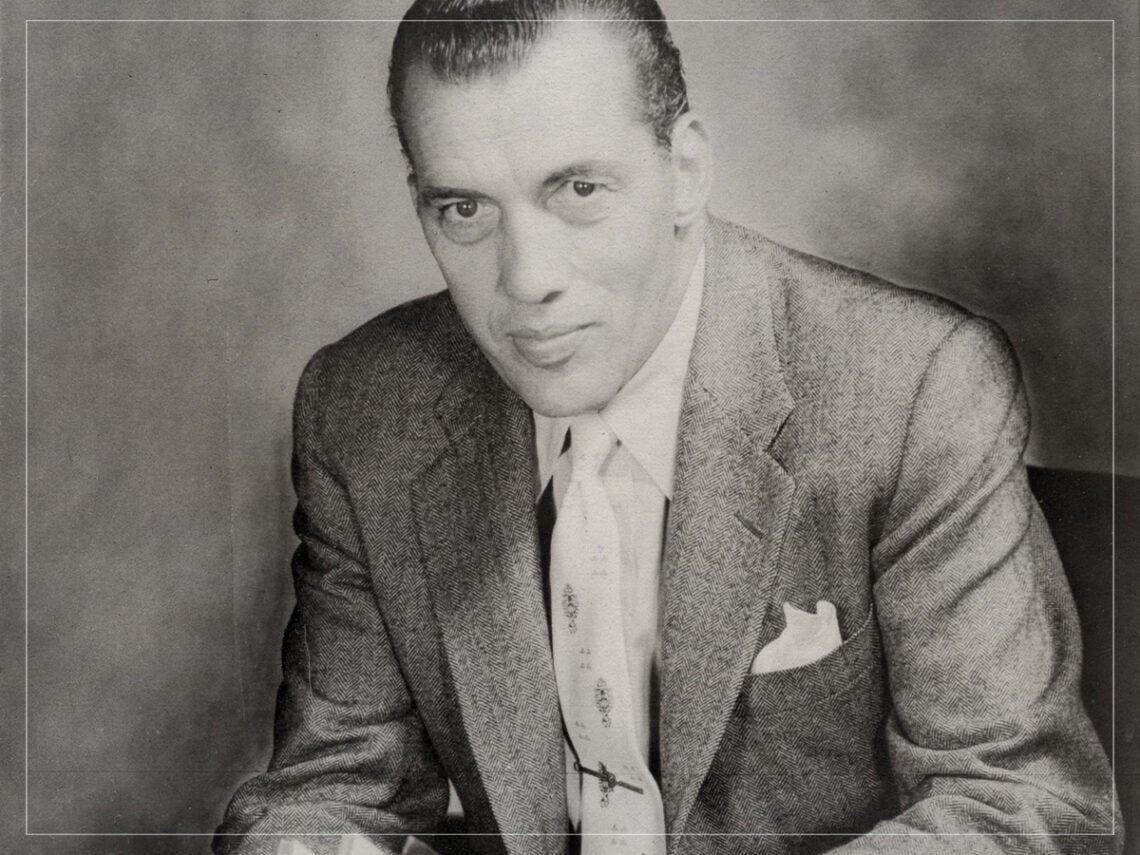
Who was the first group to be banned from ‘The Ed Sullivan Show’?

No matter how mainstream or counterculture you were, every major band jumped at the chance to play the coveted slot of The Ed Sullivan Show.
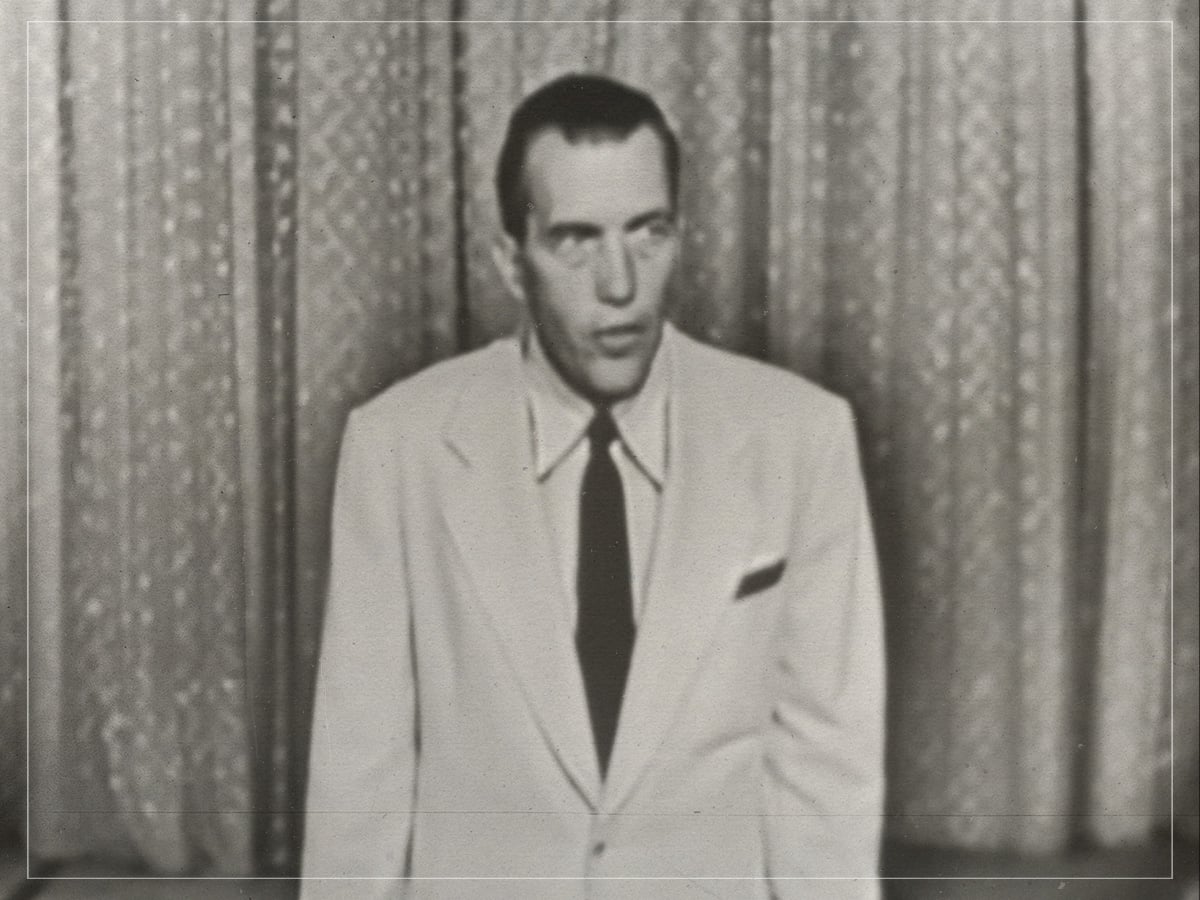
Broadcast on CBS from 1948 to 1971, the New York impresario’s namesake show stands in the American cultural memory as the defining image of rock and pop’s biggest stars. From burnishing Elvis Presley’s rock and roll mythology with his 1956 debut, The Beatles ushering the British Invasion eight years later, or Jackson 5 wowing the pop world with ‘I Want You Back’, much of music’s rolling carousel is sourced from The Ed Sullivan Show in the US consciousness and beyond.
At its heart, however, was the family-friendly tradition of variety entertainment. Anchored in the vaudeville tradition since its days as Toast of the Town, Sullivan would compare everything from stand-up comics, ballet, dramatic theatre, and even circus acts. Naturally, such prime time evening viewing for all ages would clash against the artists booked for the show, especially at the dawn of the rebellious 1960s.
Controversies were had throughout The Ed Sullivan Show’s original run. Famously, Mick Jagger flashed an eyeroll when The Rolling Stones were booked to play ‘Let’s Spend the Night Together’, Sullivan and the CBS execs insisting on the amended line “Let’s spend some time together.” Even back in the 1950s, blues guitarist Bo Diddley was faced with Sullivan’s backstage wrath after changing his setlist at the last minute, to Buddy Holly and the Crickets, facing possible sound sabotage from the man himself due to a refusal to omit ‘Oh, Boy!’ from their planned performance.
So, who was the first group to be banned from the show?
In terms of an explicit musical ban, such an honour is unsurprisingly bestowed upon Los Angeles psych rockers The Doors.
Scheduled to play in September 1967, Sullivan and the CBS honchos grew anxious about the suspected lyrical allusions to drug-taking in ‘Light My Fire’. Before the performance, frontman Jim Morrison agreed to alter the offending “girl we couldn’t get much higher” at the network bosses’ behest, before taking their slot and singing the line as intended and broadcast to millions.
Such defiance added to Morrison’s mythos, at the cost of any future appearances on The Ed Sullivan Show. Reportedly, Sullivan refused to shake any hands backstage, and show producers informed The Doors they would never be invited back. “Hey man, we just did The Ed Sullivan Show,” Morrison allegedly quipped back.
Standing as a slice of non-conformist Doors lore, it turns out that the ‘Light My Fire’ incident may have been born from a simple misunderstanding. According to guitarist Robby Krieger’s Set The Night on Fire book, the band thought Sullivan was joking about the lyrical revision, Morrison singing the original line out of obliviousness rather than a rock and roll two fingers up.
Whatever the case, The Doors’ set documented a clash of the establishment and the musical underground, fuelling the romantic fable that still surrounds Morrison well over half a century since his death at 27 years old.
