


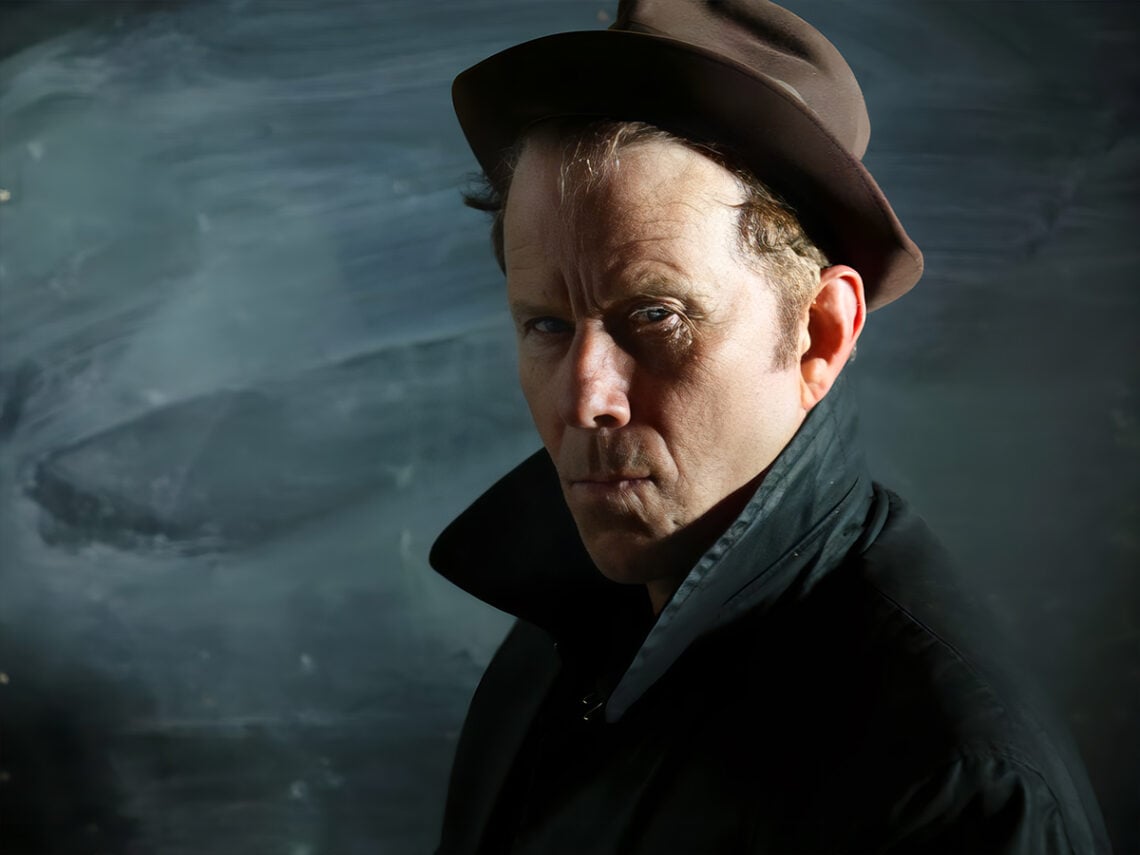
“I was trying too hard”: The first album Tom Waits took any pride in

It might not be the sort of music that appeals to everybody, but it’s hard to look upon the work of Tom Waits as lacking in any sort of inventiveness or challenge for the listener.
Granted, not all music has to be challenging to be exciting or enjoyable, but with Waits, this was always one of his greatest selling points. Early records of his demonstrated a flair for merging the avant-garde, jazz and spoken word poetry, with his 1973 debut album Closing Time being seen as one of the most original debut albums of the decade.
A gravelly voice and unique approach to melody and perspective in his lyrics, there truly aren’t many songwriters like Waits who have managed to infiltrate the mainstream with music that could be considered this far removed from the norm. Following the immediate impact of his debut, he would seemingly only get stranger, with albums like Nighthawks at the Diner and Blue Valentine demonstrating his singular songwriting sensibilities.
However, as much as it may have always seemed as though Waits was trying to confound his listeners with his music, he always wanted to give his work an air of accessibility at the same time. There are still smatterings of traditional singer-songwriter elements in his work, but as far as Waits himself is concerned, perhaps there weren’t always enough moments where this shone through.
In fact, his relationship with a lot of his albums has been relatively negative, and in his opinion, there was something that needed to be changed about his approach in the early years that would ultimately improve his output.
In a 2000 interview with Blues Revue Magazine, Waits was asked about his feelings towards his early work and why he harboured such complex emotions around these records, and was asked at what point in his career he began to feel comfortable with who he was as an artist.
“Swordfishtrombones, and forward from there,” he said, referring to his 1983 album. “That’s a line of demarcation for me. And that’s right around the time I got married, and my wife worked on that record with me.”
“She’s the one who said, ‘You can produce your own records, you don’t need to go in with a staff and people telling you what to do.’”
Tom Waits

Waits further commented on why he preferred the work he was producing from this moment onwards, bizarrely stating that his most experimental record to date was actually the one that sounded the most coherent. “That started what became more of a mom-and-pop outfit,” he added. “Until then, I felt like I was trying too hard. You learn what not to play, what not to say, which is critical at all times. And in most cases, that which is implied speaks volumes, in music particularly.”
This statement says a lot about how much Waits cared about his work, and that he would put so much effort into making it perfect in every sense, but for him to notice that the one thing that was holding him back was its overcomplication is surely a sign to all musicians and writers that trusting your instinct can sometimes be the most beneficial act.
