


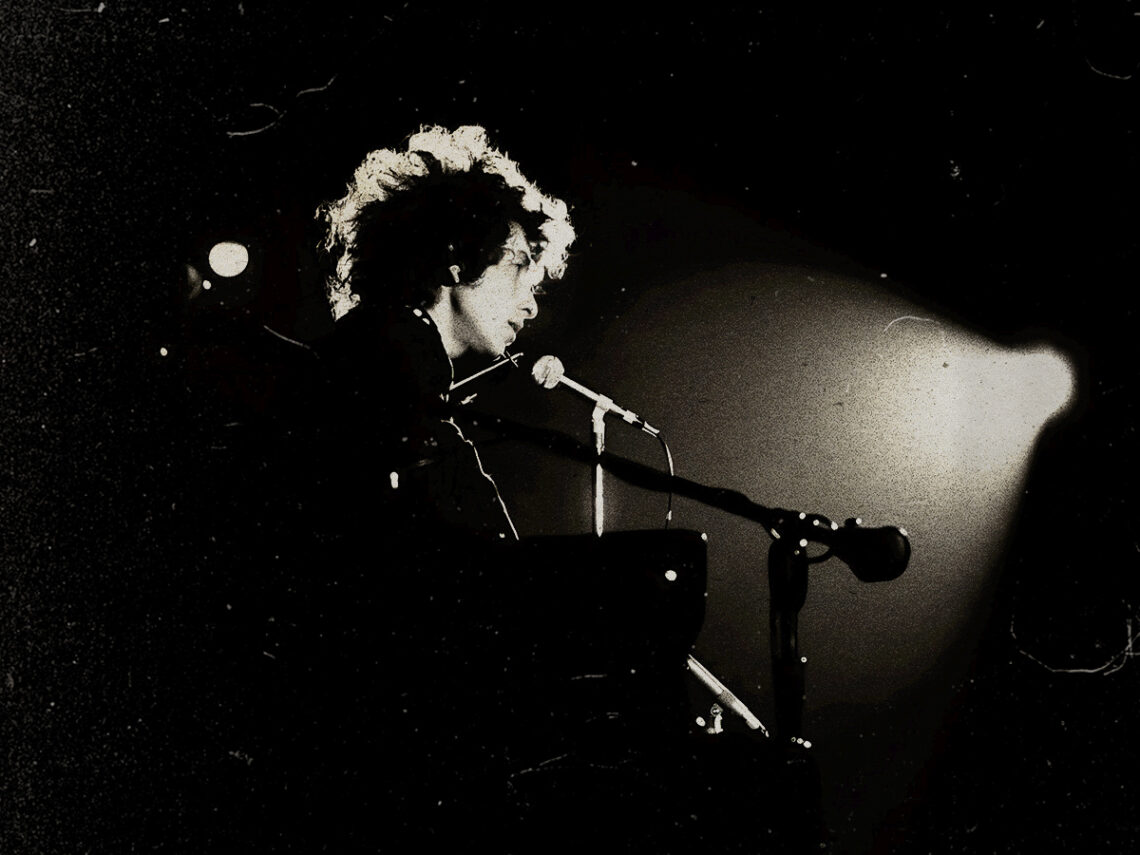
The final songs of Bob Dylan as a folk hero

In the early 1960s, a young Bob Dylan travelled to New York City. A disciple of Woody Guthrie, Dylan had his sights set on folk stardom. One of the first in a wave of singer-songwriters penning protest songs in the 1960s, Dylan cemented himself as being at the forefront of the folk revival. His first few albums followed in the footsteps of his hero, Guthrie, and gave the world a handful of the greatest folk protest songs of all time.
Dylan is, and has always been, a fearless artist. From walking off The Ed Sullivan Show early on in his career to establishing Farm Aid in the 1980s, the songwriter has always stuck ruthlessly to his principles. As the documentary Don’t Look Back, which follows Dylan on his 1965 tour of the UK, demonstrates, the singer was determined to march to the beat of his own drum. This is something that has often caused controversy, but none more so than when he made the decision to go electric.
By the mid-point of the 1960s, Dylan had gained a dedicated fanbase for his folk revival. His performances at Newport Folk Festival in 1963 and 1964 have cemented the songwriter as a folk hero for the modern age, but Dylan was not content with simply recycling the same folk act year after year. When he appeared at the festival in 1965, he made the spontaneous decision to include the electric guitar within his set after the festival organisers had made dismissive comments about the instruments.
Stepping onto the stage with a Fender Stratocaster, Dylan performed the live debut of beloved tracks ‘Maggie’s Farm’, ‘Like a Rolling Stone’, and ‘It Takes a Lot to Laugh, It Takes a Train to Cry’. Far from being elated at hearing this profound new era of Bob Dylan, much of the crowd booed as he exited the stage, believing the musician had betrayed his folk music roots.
While Newport is often cited as the event that saw Dylan go electric, the following gig saw him definitively depart from his folk origins. Performing at Forest Hills Tennis Stadium in New York, the songwriter played a split set; the first seven tracks were acoustic, while the remainder of the set would be performed on a Stratocaster with an electric backing band. Despite his fearless attitude, Dylan reportedly gave a pep talk to his fellow musicians before the show.
“He told them that they should expect anything to happen—he probably was remembering what occurred at Newport,” says photographer Daniel Kramer, who was at the gig with Dylan. “He told them that the audience might yell and boo and that they should not be bothered by it.”
Kissing goodbye to his acoustic folk beginnings, Dylan performed seven highlights from his early career. Beginning with ‘She Belongs to Me’, the singer followed it up with ‘To Ramona’, ‘Gates Of Eden’, and ‘Love Minus Zero/No Limit’. The latter part of this acoustic set seems mournful, almost as though Dylan was creating a sort of funeral pyre for his acoustic guitar, debuting the epic ‘Desolation Row’ before fading into ‘It’s All Over Now, Baby Blue’. That track might as well have been directly addressed to his audience at Newport 1965, ‘My acoustic days are all over, welcome to the new age’, he seems to have been saying.
The final track Dylan performed as an acoustic folk hero was his seminal track ‘Mr Tambourine Man’, the same song that had ended his controversial appearance at Newport a month prior. Throughout his career, Dylan never bent to anybody else’s expectations of him, always moving forward and innovating within his sound, in spite of the occasional boos.

Never Miss A Tale
The Far Out Bob Dylan Newsletter
All the latest stories about Bob Dylan from the independent voice of culture.
Straight to your inbox.