


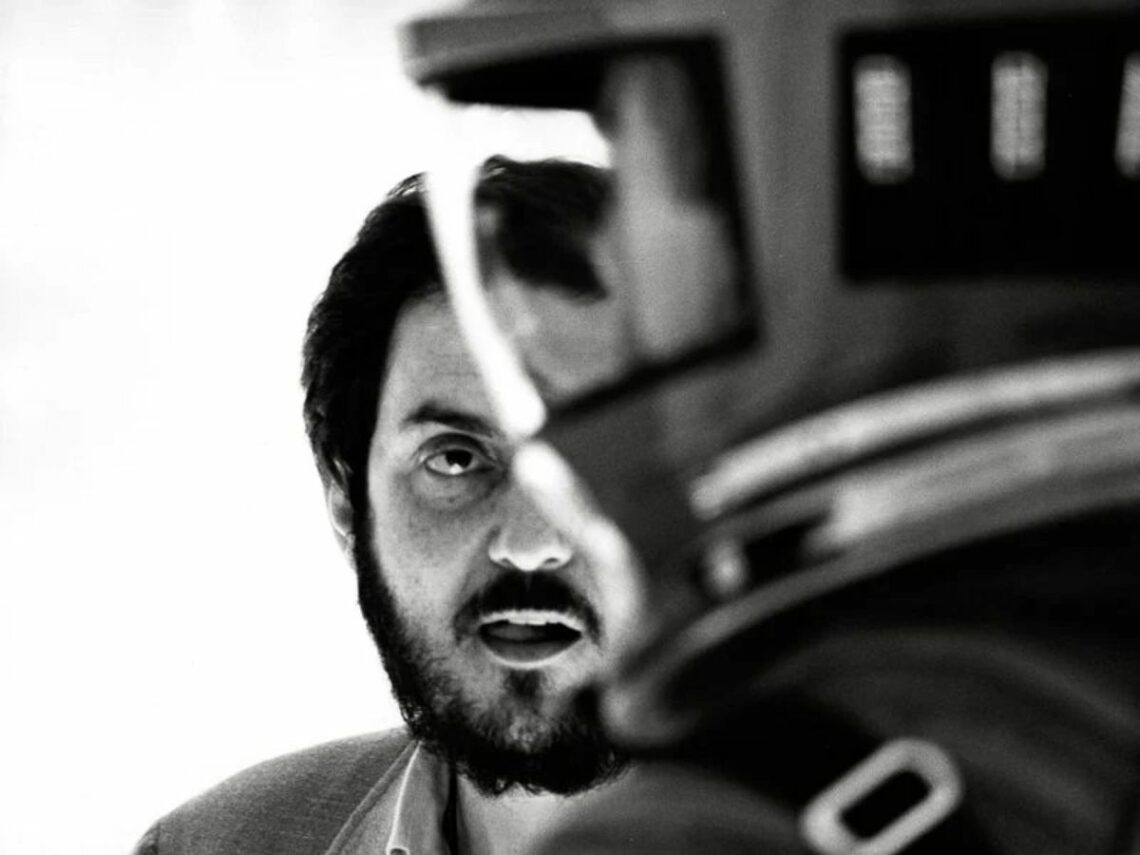
The filmmakers who almost directed ‘2001: A Space Odyssey’ instead of Stanley Kubrick

As one of the greatest movies ever made, directed by one of the greatest filmmakers to step behind the camera, the prospect of 2001: A Space Odyssey being helmed by anyone other than Stanley Kubrick had the potential to irrevocably alter the course of cinematic history.
Not only was the seminal sci-fi a huge box office success and awards season fixture that changed the face of special effects through its cutting-edge visual trickery, but the genre as a whole has never managed to outrun its inescapable shadow in the half a century since. There’s a reason why even the masterminds behind a string of sci-fi classics still hold 2001 on a pedestal all of its own; such is the film’s monumental legacy.
Collaborating with esteemed writer, author, futurist, and borderline oracle Arthur C. Clarke to pen the screenplay, like every Kubrick production, 2001 was a labour of love. Painstakingly researched, meticulously crafted, and equally daring and dazzling, its masterpiece status was instantly bestowed upon it as the epic existential tale became a touchstone for multiple generations of filmmakers.
Despite that, MGM wasn’t above the proposition of drafting someone else in to wield the megaphone should Kubrick’s interpretation of the screenplay fail to align with their vision. In fact, as Vanity Fair uncovered, a trio of Hollywood heavyweights were being touted as possible replacements should anything go wrong with 2001 in its original form.
In a draft copy of the contract between MGM and Kubrick’s company Polaris Productions from May 1965, the studio outlined that it wanted something similar to the director’s previous scripts, which revealed a desire to ensure “the final screenplay shall be in substantial conformance with the screenplays prepared by Mr. Kubrick for the motion pictures Lolita and Dr. Strangelove“.
A confusing sentiment without a doubt, and one Kubrick wholeheartedly agreed with after underlining that particular passage and scribbling both “What does this mean?” and “Does this create an out?” in the margins. Clearly, if there wasn’t a conformity both parties could agree to, the contract could be dissolved.
In a similar vein, MGM had even included a list of candidates qualified to direct 2001 that wasn’t Kubrick, at the behest of his production company: “Subject to our absolute right of approval, [Polaris] shall provide the services of one of the persons listed below to act as both individual producer and director.” Remarkably, the contract stipulated that Kubrick’s own production house should be perfectly fine, replacing him with one of the names stipulated.
Those names were Alfred Hitchcock, David Lean, and Billy Wilder, all three of whom sit alongside Kubrick as among the greatest directors of all time. With a combined total of nine Academy Award wins from 38 nominations under their collective belts and status as the directors responsible for a cavalcade of classics, their respective reputations were beyond reproach.
And yet, Kubrick not directing 2001 is unthinkable, with MGM’s desire to make the movie at any cost necessitating a contract clause that would have seen it brought to the screen in one way or another, with or without him.
