


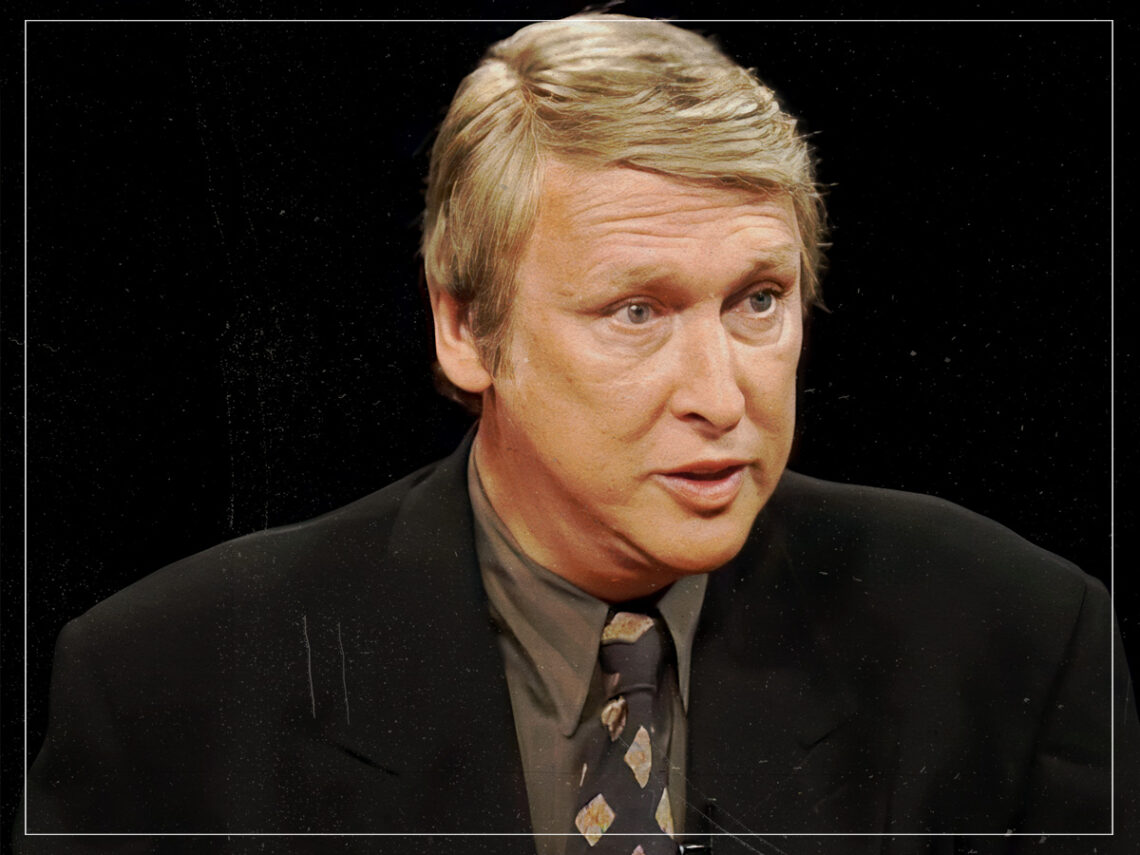
The filmmaker Mike Nichols called a “completely gifted director”

One of the most rare achievements in the entertainment industry is the EGOT, through which an individual wins an Emmy, a Grammy, an Oscar and a Tony and one of the few people to achieve it was director Mike Nichols. In addition, Nichols was granted a BAFTA and the AFI Lifetime Achievement Award throughout his career, proving his incredible reputation.
After beginning his career in improv comedy, Nichols eventually made his way onto Broadway, where he enjoyed widespread success and eventually, he made the transition to the big screen, delivering several admired movies including The Graduate, Carnal Knowledge, Closerand Charlie Wilson’s War.
Without a doubt, Nichols was one of the all-time greats, but as any director should, he also held a deep respect for his contemporaries. Speaking with TimeOut, Nichols once expressed his admiration for the legendary filmmaker Stanley Kubrick, noting, “Stanley was a friend and I loved and revered him.”
According to Nichols, his favourite Kubrick moment came in his 1964 political satire black comedy film Dr. Strangelove or: How I Learned to Stop Worrying and Love the Bomb, with him pointing out, “Peter Bull as the Soviet ambassador and the fight with Peter Sellers as Dr. Strangelove. It was that improvised, half-assed, completely brilliant aspect of Stanley that I loved the most.”
Indeed, early into his career, Kubrick had shown a looseness from the director’s chair, something that notoriously departed his directing style, much to the chagrin of his actors. “He became the opposite: he had to have total control over everything, doing 500 takes just to get it right,” Nichols explained, and although he felt that Kubrick’s obsessive qualities were “another kind of genius”, he said they “would never have permitted those moments of improvised mastery” that he detailed in Dr. Strangelove.
In fact, Nichols believed that towards the end of his life and career, which ended with 1999’s Eyes Wide Shut, Kubrick had begun to lose his faculties, with his fellow director and friend noting, “In the end, I think he began to have trouble, because if you can’t leave home, you lose track of reality, and I think that happened to him.”
However, Nichols wanted to stress that Kubrick was a “completely gifted director” who simply made “great movies” before referring to one of his most acclaimed works of cinema. “If you look at 2001: A Space Odyssey, you suddenly realise: My God, there’s nobody in this movie!” Nichols exclaimed. “There are those two guys who you can’t quite tell apart as they have no real characteristics, and the rest is just… Well, what is it!?”
Indeed, in 2001, Kubrick had provided the science fiction genre with a sense of philosophical intrigue that could almost border on horror. Several questions about the reality of human existence and our place in the cosmos are raised, and Nichols was completely blown away by the kind of artistry that Kubrick could detail within his films.
Of course, Nichols was no slouch from the director’s chair himself, whether on a movie set or in preparing for a stage production. Evidently, there was a deep respect in the Closer and The Graduate filmmaker for his old friend, even thought he could see that his filmmaking style had changed from his early Dr. Strangelove days to his later obsessive efforts with the erotic drama Eyes Wide Shut.
