


Understanding the old feud between Trent Reznor and Chris Cornell

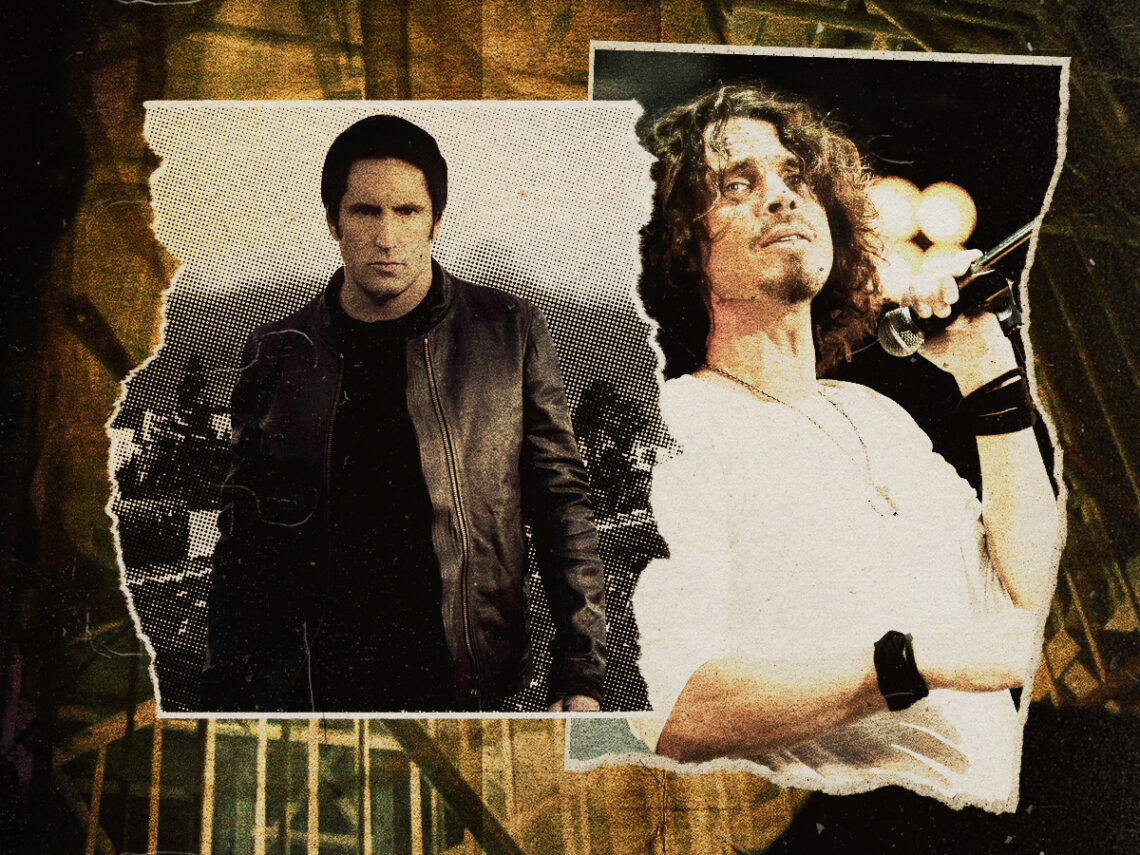
Trent Reznor and Chris Cornell are two of the most distinctive figures in rock. In many ways, they defined the alternative side of the 1990s.
The former is an industrial pioneer and creative mastermind of Nine Inch Nails. An artistic visionary, he constructs intensely dark and pulsating music for the band while moonlighting as one of the finest contemporary soundtrack composers.
As for the late Cornell, he was one of the definitive musical stars of Generation X. Frontman and leader of grunge heroes Soundgarden, he also enjoyed great success with the supergroup Audioslave and as a solo artist, with the hit theme song of Casino Royale to his name. While on the face of it, there was much to bind the pair, but for a brief period, they experienced a strange feud.
The problems centred around Cornell’s divisive March 2009 solo album, Scream. A pop-oriented title executively produced by hit-maker Timbaland, the project saw the Soundgarden man deeply ensconced in pop music. Heavily electronic-leaning, most listeners could not believe what they were hearing from the grunge icon.
Unsurprisingly, the album received largely terrible reviews from critics and fans alike. Acutely aware of the reaction it would evoke, Cornell told Rolling Stone after release: “Maybe I’m an optimist or just an idiot, but I really think the fans will come around to the concept.” So, was it purely a commercial sell-out, or was Cornell simply getting experimental?
That’s when Trent Reznor weighed in
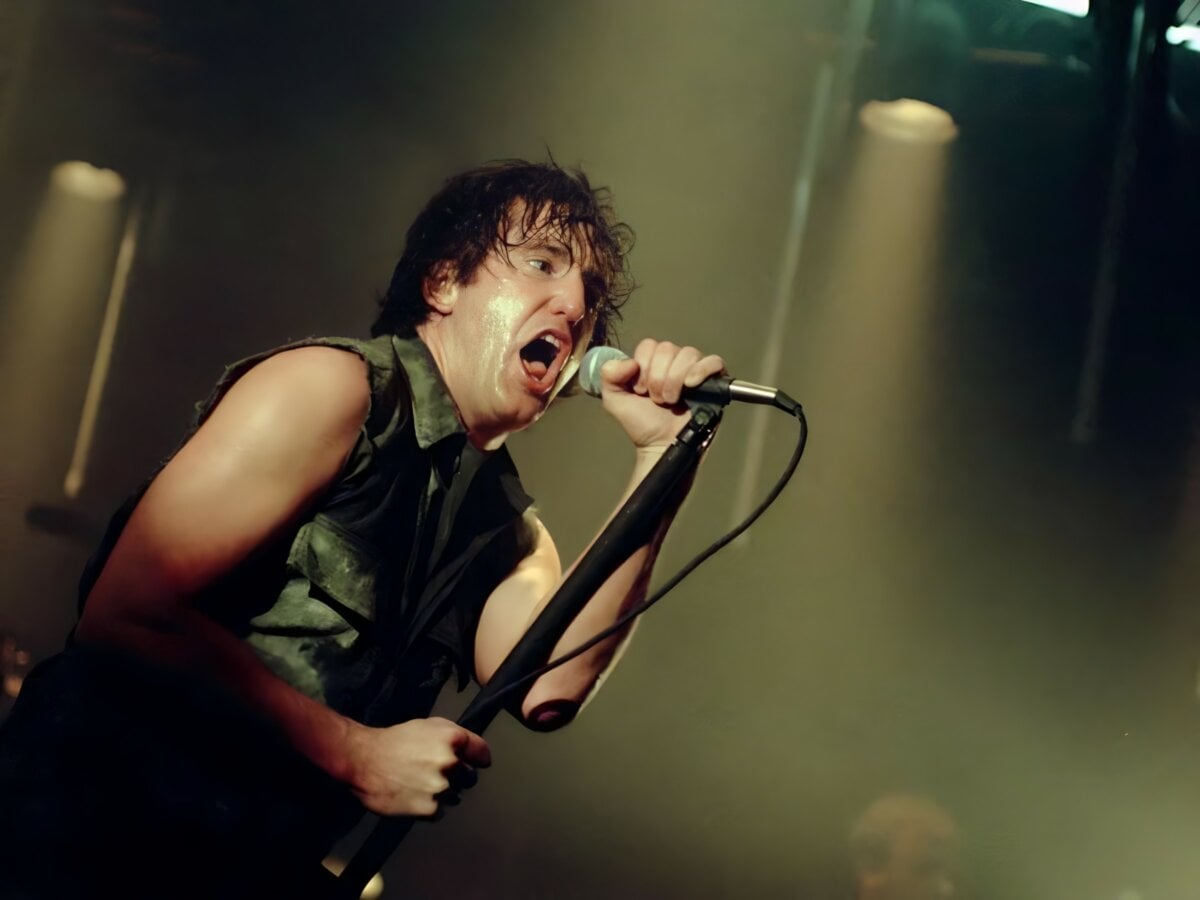
On March 11th, Reznor took to Twitter, as it was then known back in its purely borderline dystopian days, to deliver a scathing account of Cornell’s self-professed opus: “You know that feeling you get when somebody embarrasses themselves so badly YOU feel uncomfortable? Heard Chris Cornell’s record? Jesus.”
That was fairly scathing in itself, but later that year, when speaking to Eye Weekly, the Nine Inch Nails leader explained what was behind his cutting critique of Cornell’s corny Scream. He half-jokingly admitted that he and the band had a problem with Soundgarden after their 1994 album Superunknown beat their second album, The Downward Spiral, to number one on the Billboard chart.
However, Reznor then outlined that things were much “deeper” than what he said on social media. He had taken issue with what Cornell’s foray into pop represented. For him, it was a point of art vs commerce. They had both been peers in the 1990s, proudly representing that alternative world, but it seemed as though as soon as Cornell saw mainstream success with his Bond theme, Reznor figured he simply went chasing for more, forgetting the old indie cause.
As he put it himself, “We had a chip on our shoulder about Soundgarden because their record, Superunknown, came out the same day as Downward Spiral came out, and they beat us to number one on Billboard… I really have no personal issue with Chris at all. The thing I said on Twitter goes deeper than what may have appeared on the surface.”
Continuing, he added: “We were on Interscope and I had Jimmy Iovine, the president of the label, come up to me on every record from With Teeth onwards, saying I should do some sort of urban thing – it was Timbaland for a while, then it was Pharrell for a while – because ‘that’s how you sell records.'”
Reznor bruisingly concluded, “The idea seemed so preposterous and insulting. I’m not talking about ‘let’s go make a record with Dr. Dre,’ because that would be kind of cool. What he’s talking about is making your record sound like what’s on the radio, whether it’s appropriate or not.”
He didn’t see genuinely experimentalism in what Cornell was doing, but something rather more transparent. In his view, the insincere album was proof of that. “That’s what Chris did. I think that when somebody who is respected like he is, goes that route, it sends the message that it’s okay to give up any kind of core values you had to be the fashion of the moment. I don’t think that’s OK,” he said.
“I think it’s harmful. If I have one major fight in the world of the music business, it’s trying to keep art first and commerce second,” he continued. And in truth, Reznor has, indeed, remained in his own realm rather than chasing commercial trends, so it’s hard to accuse him of any hypocrisy at all.
Reznor wasn’t done there with his campaign. On April 1st, 2009, he got in on the April Fool’s jokes by announcing a new Nine Inch Nails album, Strobe Light. Produced by Timbaland, it featured a host of funny collaborators, including Christ Martin, Bono, Jay-Z, Justin Timberlake, Fergie, Alicia Keys and Sheryl Crow. Elsewhere, this surprise record included input from Tool frontman Maynard James Keenan and Reznor’s former rival from the industrial scene, Ministry’s Al Jourgensen.
In his accompanying statement, Reznor told fans that Strobe Light would be sold for $18.98 “plus a $10 digital delivery convenience fee”. The website featuring the “download page” contained a statement from Reznor as part of the extended April Fool’s that finished: “Your email will be kept confidential and will not be used for spam unless we can make some money selling it.”
So, what did Cornell have to say?
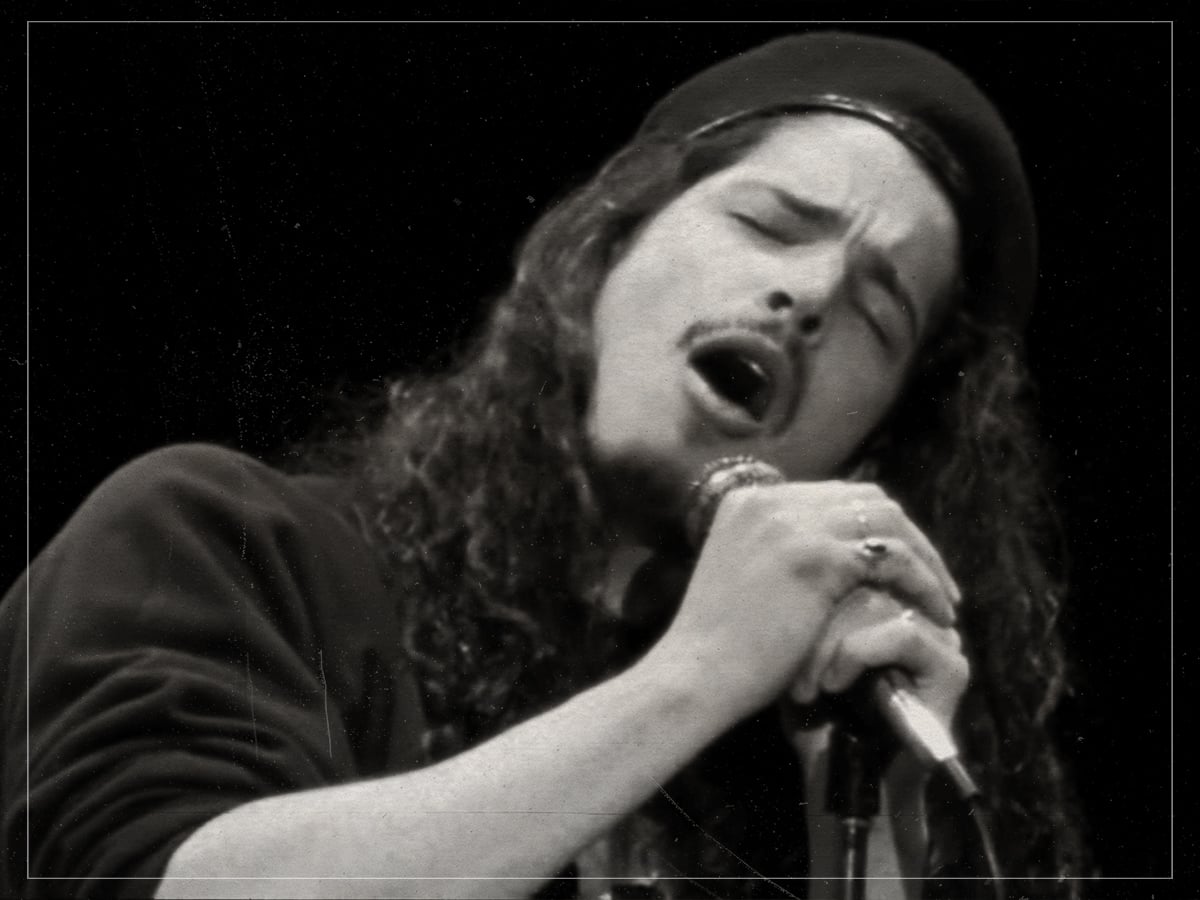
While Reznor was gunning for Cornell, fans were eagerly awaiting a response from the Soundgarden man. Eventually, they got it. He tweeted in his typically enigmatic style: “What do you think Jesus would Twitter? ‘Let he who is without sin cast the first stone’ or ‘Has anyone seen Judas? He was here a minute ago.'”
It was all water under the bridge, though, and in 2014, Soundgarden and Nine Inch Nails announced a co-headlining tour. Then, after Cornell’s tragic suicide in 2017, Reznor expressed that he “immediately regretted” how he reacted to Scream on Twitter, revealing that he even wrote to Cornell in an email to apologise.
He told Rolling Stone: “Prior to the co-headlining tour, I wrote Chris an email apologising for that outburst. He was very cool and generous about it – ‘It’s the past, eff it. Let’s go on.’ The Chris I met on that tour was a gentleman that completely had his shit together. Seeing Chris do that record felt like a blow to me. I thought, ‘He’s above that, man’. He’s one of the ten best vocalists of our time.”
I think everyone’s glad this one worked out in the end. After all, even the feud, in some tangled way, feels representative of the pioneering boon the pair delivered to music.
