


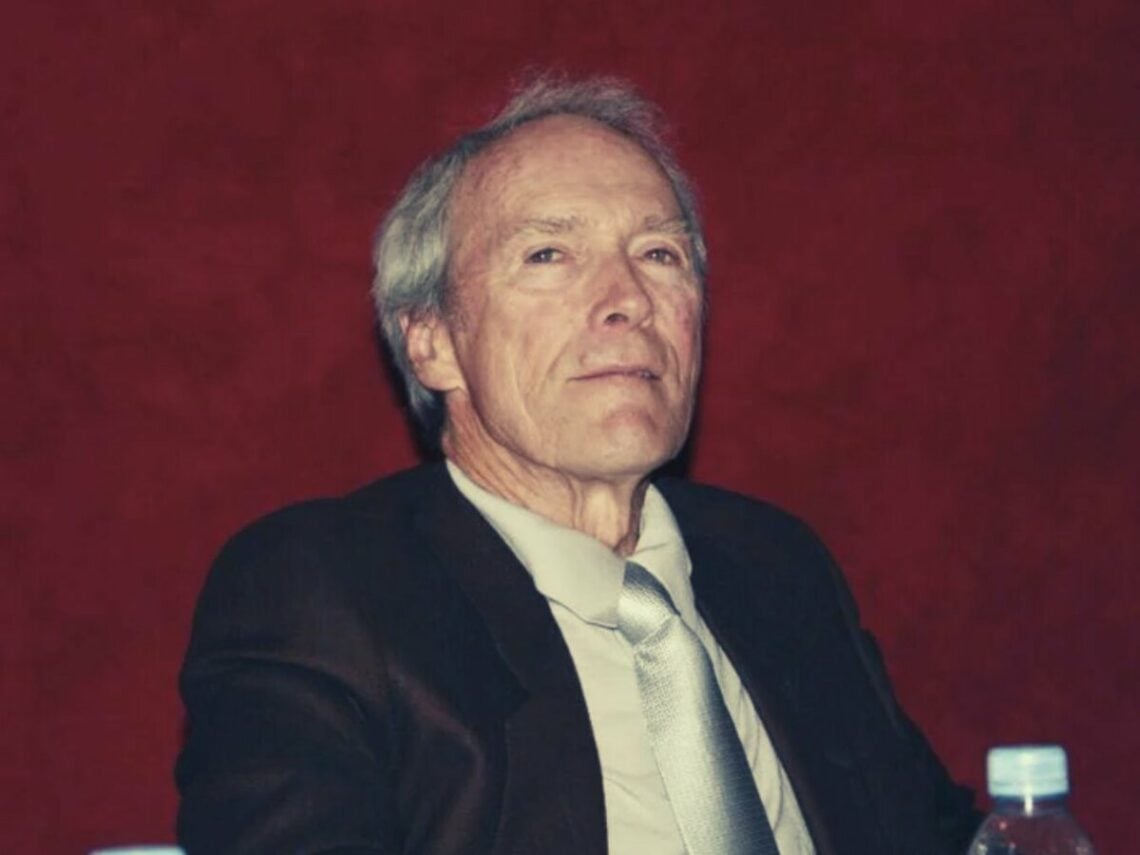
‘The Eastwood Rule’ and the brutal feud that led to Clint Eastwood firing his own director

There are several things true about the cinematic force that is Clint Eastwood. One fact is that he is considered one of the greatest actors and directors of his generation. Coming through with his role as ‘The Man With No Name’ in Sergio Leone’s Dollars trilogy, Eastwood established himself as a big name in the world of the American western. It was a position he gladly held for decades, routinely returning to the genre whenever he needed to recalibrate his career.
The Californian actor went on to star in some excellent films throughout his career, including the Dirty Harry movies, Escape from Alcatraz, and Unforgiven. He also cemented himself as a well-respected director, taking the reins on films such as The Bridges of Madison County, Gran Torino and Million Dollar Baby, all of which he also starred in. The ability to direct oneself is something only a few performers have. It not only takes a lot of skill and brain space to direct yourself but also supreme levels of confidence, something Eastwood has never been short of.
Another fact surrounding Eastwood is that he has endured his fair share of feuds with several fellow actors and directors over the years. One of the most notorious incidents actually led to a rule being created in Hollywood to prevent the situation from ever occurring again — now that’s some lasting legacy. ‘The Eastwood Rule’ was made after the actor had a run-in with director Philip Kaufman on the set of The Outlaw Josey Wales.
The 1972 film starred Eastwood in the lead role as a Missouri farmer who takes revenge on the Civil War Union soldiers who murdered his family by joining a Confederate guerrilla outfit. Josey Wales eventually becomes an outlaw who the Union pursues as he tries to move on from the events of the showdown and create a new life for himself.
Eastwood had personally financially contributed to obtaining the film rights of the story of a 1972 novel written by Cherokee writer Forrest Carter before Kaufman and Michael Cimino contributed to the script. However, a battle ensued between Kaufman and Eastwood in that Kaufman wanted to stick as closely to the original story as possible, while keeping most of the mannerisms of the character Josey Wales, whom Eastwood was to play.
Kaufman was also upset about the book’s political stance and felt that it had been written by a “crude fascist”—Forrest Carter had been the nom de plume of Asa Earl Carter, a Ku Klux Klan leader and speech writer for the segregationist political George Wallace. According to Kaufman, the parts of the novel that appealed to the right-wing policies that Carter subscribed to ought to have been removed from the film.
However, Eastwood felt utterly opposed to this idea. The two men were also rumoured to be romantically interested in the actor Sondra Locke, who Eastwood cast against the wishes of Kaufman. All these facets of the burgeoning feud came to a head; Eastwood sacked Kaufman and took over directing responsibilities himself.
This caused a stir in the Directors Guild of America, who fined Warner Bros, the studio behind the movie, a fee of $60,000. The DGA then passed a new law called ‘The Eastwood Rule’, which would prevent an actor or director from firing a film’s director to become the director themselves.
It seemingly worked out well enough for Eastwood. His directing career would go from strength to strength, and he has often called the picture one of his favourite movies. “It was the first western I had done in some time, since the 1960s Leone movies,” Eastwood said of the film. “It came out in the ’70s when the country was restless about Vietnam. It addressed the divisiveness of war and how it can tear at heart and soul. But it also dealt with the rejuvenation of a cynic, re-instilling his life with purpose and with a surrogate family.”

Never Miss A Tale
The Far Out Clint Eastwood Newsletter
All the latest stories about Clint Eastwood from the independent voice of culture.
Straight to your inbox.