


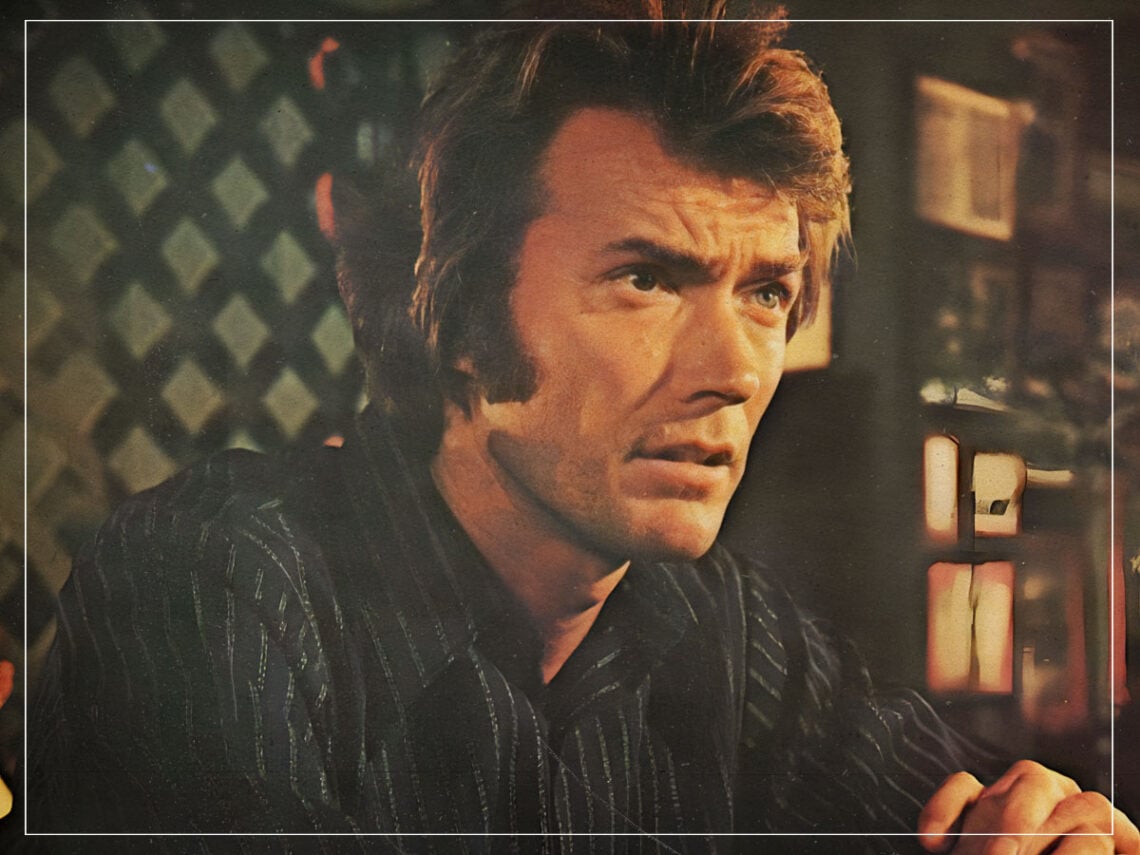
Clint Eastwood’s six favourite Clint Eastwood movies

The iconic Clint Eastwood requires very little introduction.
He’s represented something beyond mere movies ever since the Hollywood veteran rose to fame in the 1960s, joining John Wayne as one of America’s biggest western stars. Since then, he has surpassed the legendary Wayne in many ways through an impressive and expansive career that has now ran on for not far from a century, with that star signing his first contract with Universal back in 1954.
Having established his narrow-eyed, tough-guy visage in the formative TV series Rawhide and finessing this cooler than cool act into a global phenomenon through Sergio Leone’s legendary set of movies known as the Dollars Trilogy, he confirmed his unstoppable status after playing the part of anti-hero cop Harry Callahan in the five Dirty Harry films.
Over his six decades basking in the Hollywood limelight, Eastwood branched out increasingly into production and direction, earning four Academy Awards and four Golden Globes for his duties behind the camera. The legend is still active today, moving into his tenth decade on the planet, and released his latest film, Juror No 2, back in 2024, which he filmed at the age of 94.
Prior to that, he also released Cry Macho in 2021, marking a prolific spell for someone his age. As well as directing and co-producing the film, Eastwood starred in the lead role of Mike Milo, a retired rodeo star who’s tasked with reuniting a man with his estranged son. The sentiment of these societal films have further reaffirmed his bent for scrutinising the ways of America.
Before his meteoric rise to stardom, Eastwood was cast in a run of uncredited B-movies through the 1950s. Following his appearance in 1958’s Ambush At Cimarron Pass, Eastwood was a hair’s breadth away from throwing in the towel. “It was so bad I just kept sinking lower and lower in my seat,” Eastwood once recalled to Crawdaddy Magazine. “I said to my wife ‘I’m going to quit, I’m really going to quit.”
Thankfully, Rawhide offered Eastwood a safety line in rough waters, and he never looked back. Maintaining such consistency in cinema for over six decades is no easy feat, and Eastwood’s passion for emotive, culturally and politically motivated storytelling is at the root of his astonishing longevity. When given a chance to pick some of his favourite moments from his career, he showcased the weight of his filmography.
Of course, it’s not just acting Eastwood has excelled in; he’s also a beloved director. In an interview, Eastwood once said: “For me, because I’ve directed myself so often, I go back and forth. I always carry a certain amount of it, but I can live and think about other things. The character is sort of seated in your mind before you do the picture. It’s like doing a play.”
He added, “You have it in your mind but you can have a life and go to dinner and then pull yourself into it. The only difference in movies is that you’re doing it a hundred times a day. It’s a technique that you develop over the years. Some people find it very difficult, others find it not easy but less difficult.”
Yet, shirking challenges has never been his style. He’s even brushed up on his piano skills off-set to score his own movies in the past, so ‘difficulty’ is something he thrives on. “Everyone directs movies differently, but the way I get that is just by doing it. Certain scenes I’ll rehearse if there are technical difficulties of lighting and camera,” he continued.
Concluding, “Fortunately, I have a camera crew that’s very well-oiled, so they pretty much know where I’m headed, without much explanation. And then, when we get to the point where I’m doing it, no one asks questions when I’m trying to get into the part. The objective is to make everything sound like the first time it’s said, so the only thing I can do is try to pick it up the very first time it is said.”In 2010, Eastwood revealed his six favourites of his own films in a feature with the Associated Press. We explore these choices and what they say about the maestro below.
Clint Eastwood’s favourite Clint Eastwood movies:
‘Bird’
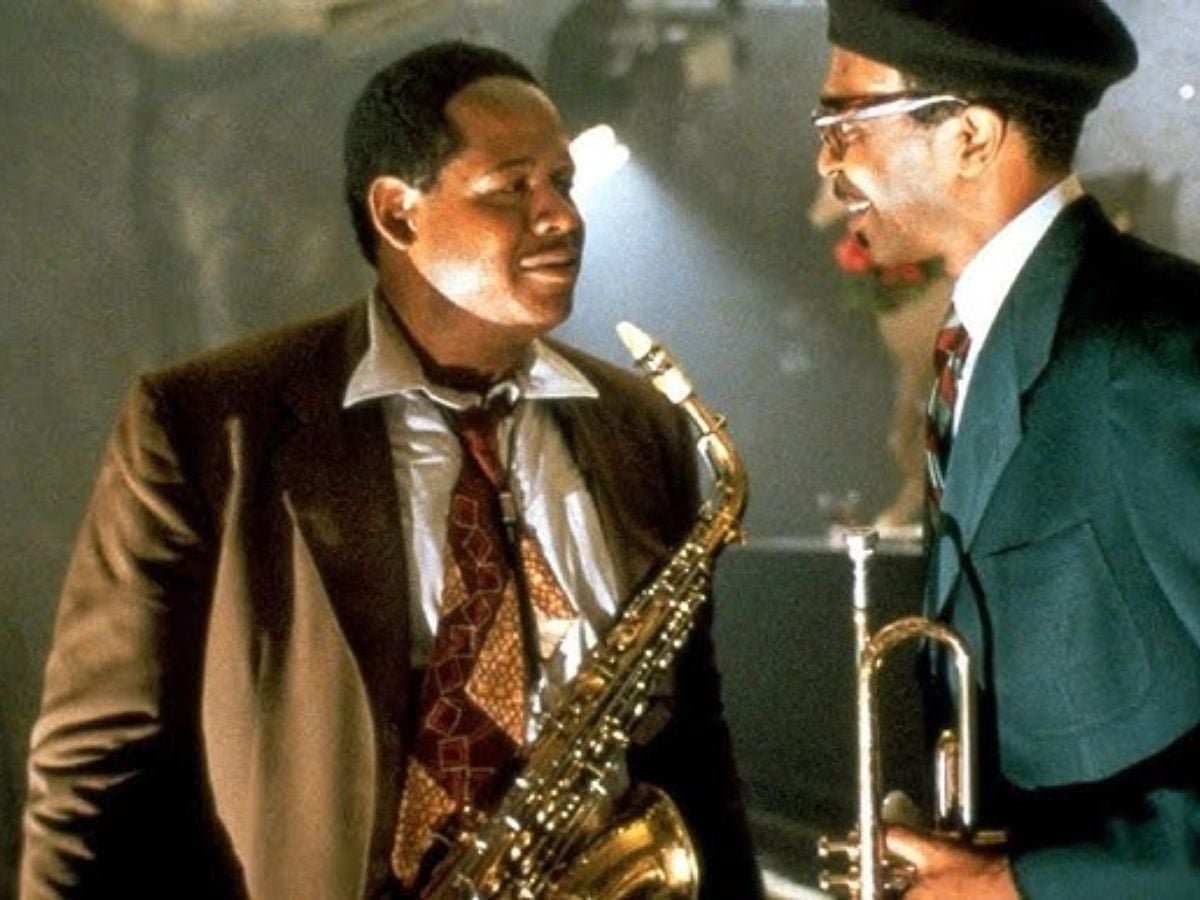
In a divergence from his beaten path of action and violence, Eastwood directed a biopic focusing on the life of jazz saxophonist Charlie ‘Bird’ Parker in 1988. The gunslinger helmed the project from a screenplay written by Joel Oliansky and cast the magnetic Forest Whitaker in the central role.
The story flicks erratically back and forth through Parker’s tempestuous life and chronicles a tale fraught with addiction issues and related career troughs. Although the movie was commercially underwhelming, critics generally held it in high regard, with Eastwood swiping the ‘Best Director’ award at the 46th Golden Globes ceremony.
“It was a nice story about someone whose musicianship I admired so greatly,” Eastwood, who saw Parker perform in the ’40s, told the Associated Press of the project. “It was a good script on the analysis of the self-destructiveness of personality: people who insist on sinking into the abyss. Success, being idolised by other musicians, none of it was enough.”
‘Letters from Iwo Jima’
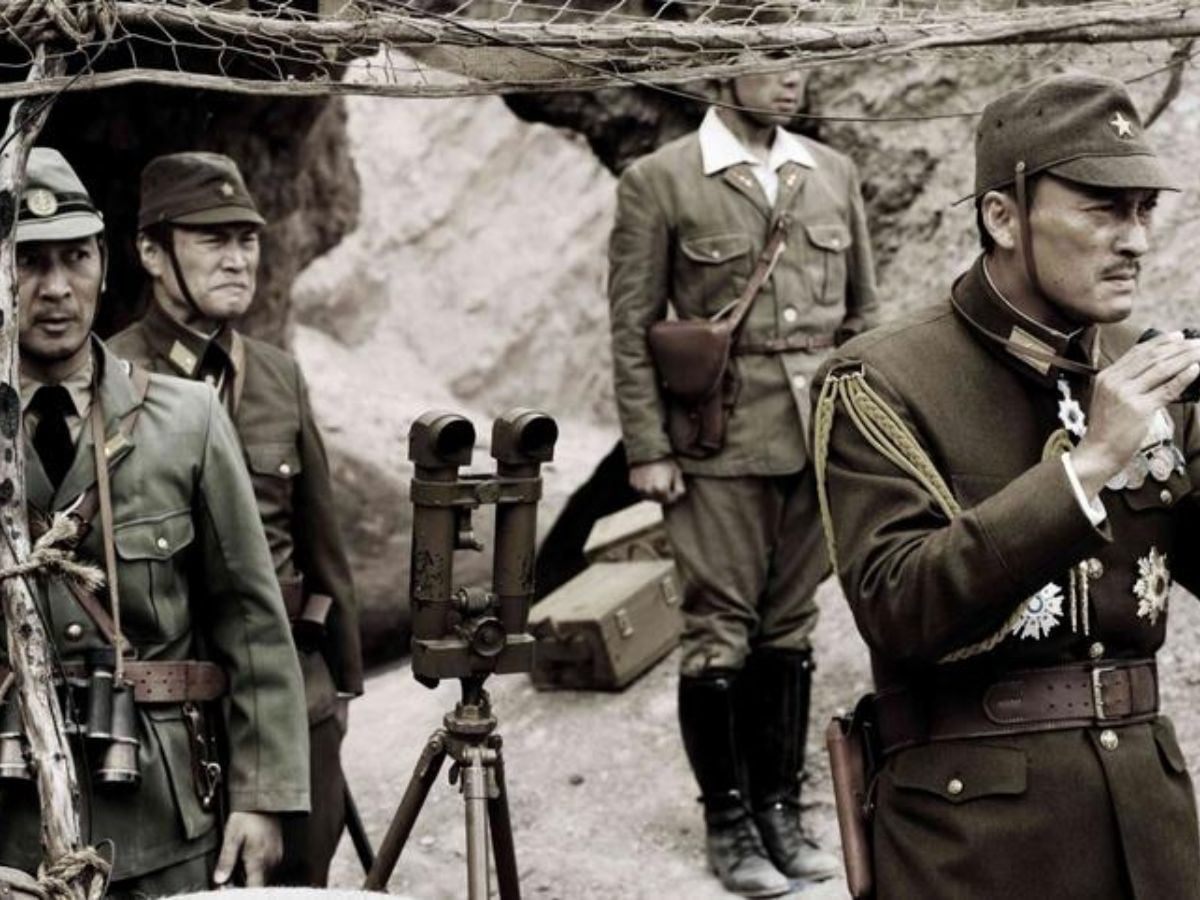
In 2006, Eastwood directed Letters From Iwo Jima as a companion release to Flags of Our Fathers, which was released concurrently. The latter, which featured Eastwood’s son Scott, followed World War II’s Battle of Iwo Jima from the American soldiers’ perspective, while the former examined the battle from the balancing view of the Japanese forces. The novel idea allowed Eastwood to remind audiences that soldiers are often forced into battle, merely pawns in a game lost by all players.
“I was proud of Letters from Iwo Jima. I got the idea of doing it while doing Flags of Our Fathers, which is about the American invasion of the island,” Eastwood said of the movie. “But the film pointed out what it must have been like to have been one of the defenders of the island, to have been there, and been told not to plan on returning home. What a difficult request to make of people. Also, the Japanese soldiers were facing certain annihilation. They never gave up hope. A lot of them would have loved to have been out of the war and home, just like soldiers from any nation.”
‘Million Dollar Baby’
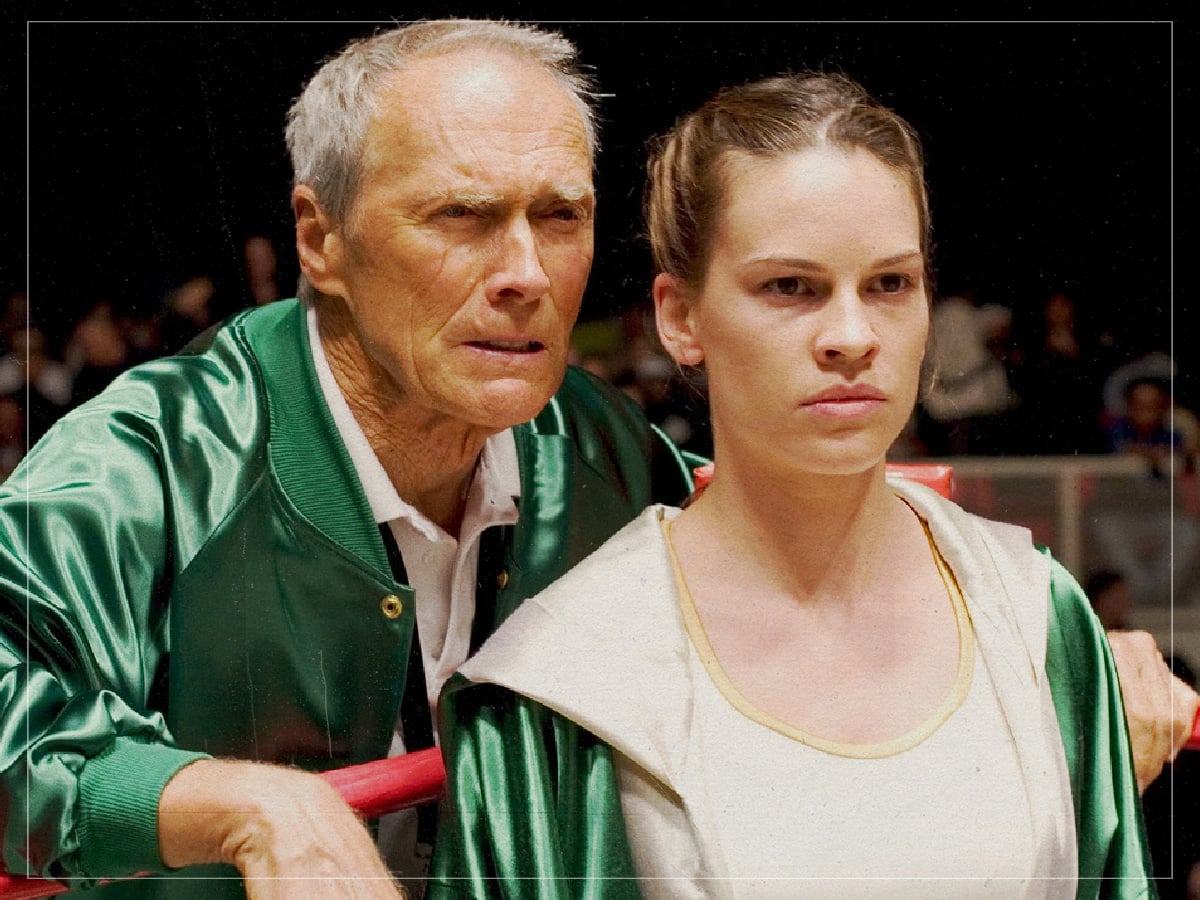
In 2004, Eastwood added perhaps his greatest directional triumph to his oeuvre with the sports drama movie Million Dollar Baby. For this modern classic, Eastwood flexed his creative muscles to co-produce, score and star in the movie as the cantankerous trainer who helps aspiring boxer Margaret ‘Maggie’ Fitzgerald to victory.
The movie was an all-around success, pulling in $216.8million worldwide and reaping seven nominations at the 77th Academy Awards. From these nominations, the movie won four Oscars, picking up ‘Best Picture’ and ‘Best Director’ for Eastwood, ‘Best Actress’ for Hilary Swank as Fitzgerald, and ‘Best Supporting Actor’ for Morgan Freeman.
“It appealed to me because it was a story regarding family, a search for the daughter he never had a relationship with, and the search for the father that was no longer there for her,” Eastwood told the Associated Press. “They were both sort of reticent and ended up putting themselves through the most emotional test possible, ending with her desire to be euthanised.”
‘Mystic River’
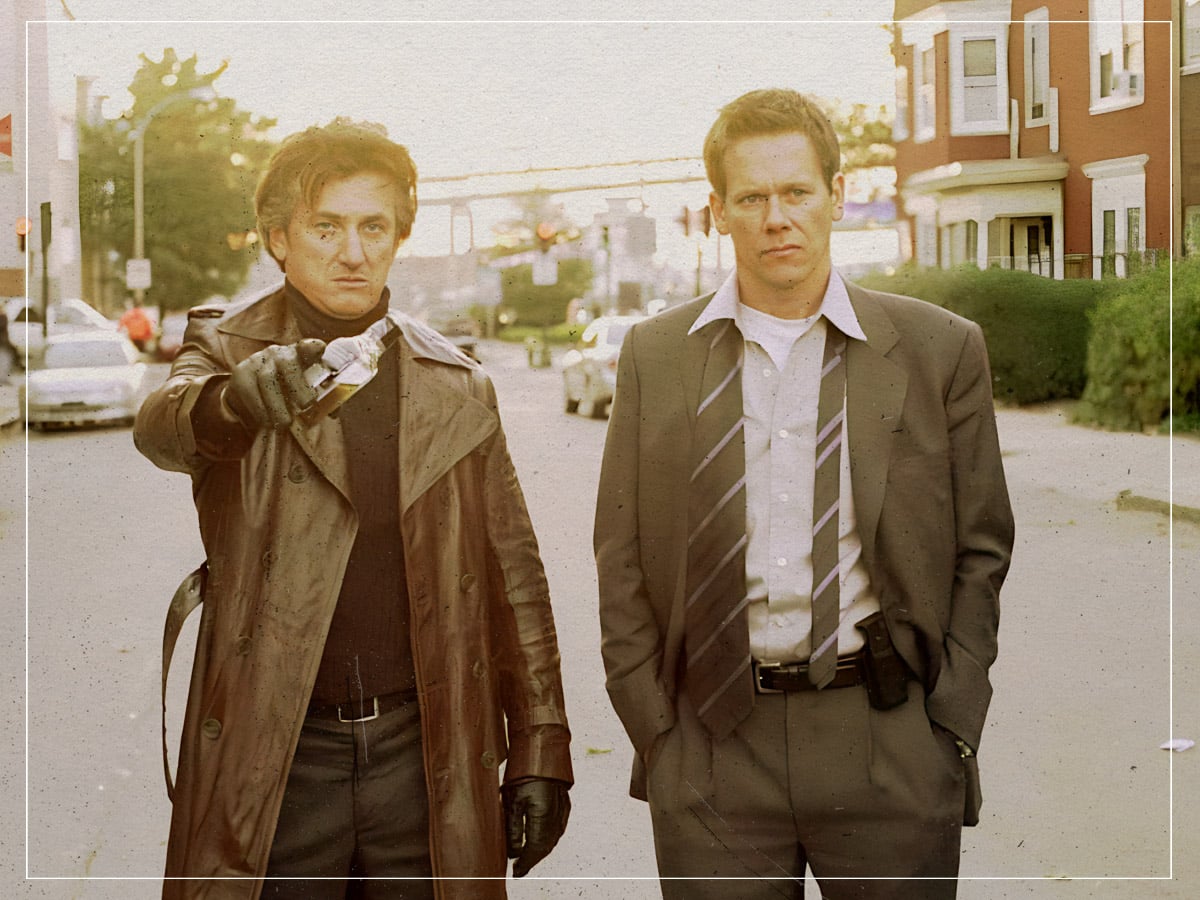
In 2003, Eastwood directed Mystic River, a neo-noir crime drama featuring a strong cast, including Sean Penn, Tim Robbins, Kevin Bacon, Laurence Fishburne, Marcia Gay Harden and Laura Linney. The movie follows the gritty story as told in Dennis Lehane’s novel of the same name and boasted Eastwood’s first-ever soundtrack score.
The movie was received well both critically and commercially, swiping two Oscars from its six nominations at the 76th Academy Awards: ‘Best Actor’ for Sean Penn and ‘Best Supporting Actor’ for Tim Robbins, the movie remains one of Eastwood’s prouder moments.
“I liked the book and the screenplay by Brian Helgeland,” Eastwood said of his choice. “The way sometimes fate deals a bad hand, and it just keeps getting worse and worse, and there is nothing anyone can do. No amount of sane advice can stop the train.”
‘The Outlaw Josey Wales’
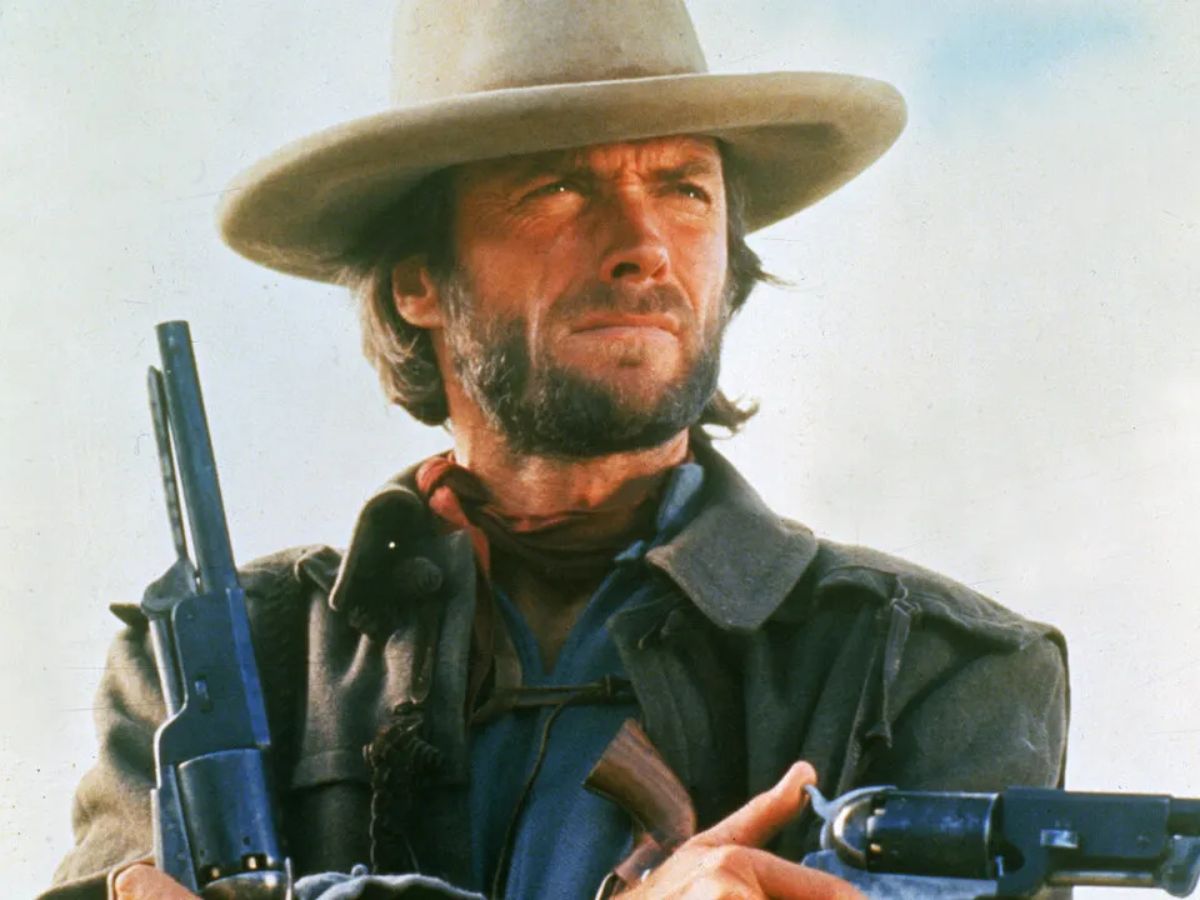
The oldest film to feature on Eastwood’s pick of six was The Outlaw Josey Wales, the actor’s welcomed return to westerns in the late 1970s. Eastwood both directed and starred in this late western classic as the titular farmer who embarks on a vengeance mission after Union militants murder his family during the American Civil War.
The movie was commercially and critically favoured, ushering in a sequel in 1986 and garnering the star a newfound esteem. Eastwood stepped back from directing and acting duties for The Return of Josey Wales, which was panned by critics and drew much smaller crowds.
“It was the first western I had done in some time, since the 1960s Leone movies,” Eastwood said of the movie. “It came out in the ’70s when the country was restless about Vietnam. It addressed the divisiveness of war and how it can tear at heart and soul. But it also dealt with the rejuvenation of a cynic, re-instilling his life with purpose and with a surrogate family.”
‘Unforgiven’

In 1992, Eastwood returned once again to his western roots. Unforgiven remains one of the genre’s finest movies of the 20th century. As well as directing David Webb Peoples’ screenplay, Eastwood starred alongside Gene Hackman, Morgan Freeman, and Richard Harris as William Munny, an ageing former outlaw who decides to take one final job after laying low for several years as a farmer.
Unforgiven became the third western to win ‘Best Picture’ at the Academy Awards, following 1931’s Cimarron and 1990’s Dances with Wolves. Clint Eastwood also won ‘Best Director’, and while Gene Hackman won ‘Best Supporting Actor’ and editor Joel Cox scooped the ‘Best Film Editing’ award, Eastwood missed out on the ‘Best Actor’ award, which instead went to Al Pacino for his stellar role in Scent of a Woman.
“I loved the Unforgiven script,” Eastwood beamed. “You had to get a ways into it before you knew who was the protagonist and who was the antagonist. Even the villains, with the exception of the renegade cowboys, had good points to their character and had dreams. Little Bill (played by Gene Hackman) just wanted a peaceful life. He believed he was doing the right thing. The film dealt with issues – gun control and the struggles people have within. The hero went against instinct. It was a very rich story involving loyalty to friends, family and rationalising deeds. It was a very intelligent script.”

Never Miss A Tale
The Far Out Clint Eastwood Newsletter
All the latest stories about Clint Eastwood from the independent voice of culture.
Straight to your inbox.