


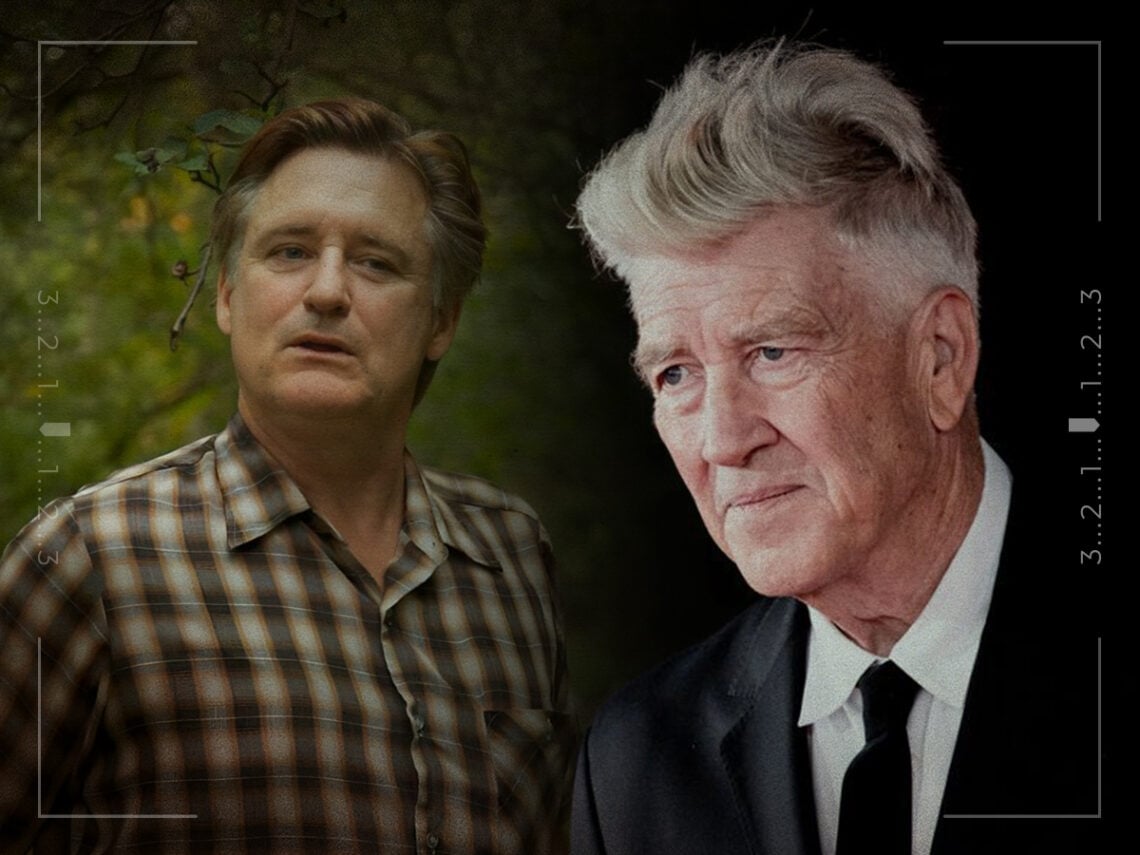
The “fascinating” director Bill Pullman called “the Japanese version of David Lynch”

Bill Pullman has appeared in everything from Independence Day to Sleepless in Seattle and Casper, clearly refusing to box himself into one genre, but there’s one movie that sticks out as the actor‘s most unforgettable, though, and that’s Lost Highway.
It marked his first and only collaboration with David Lynch, the surreal master of the kinds of movies that require multiple viewings to actually make sense of them, and as his career went on, it seemed like Lynch became even more confident in his ability to make films that really left you stumped, and 1997’s Lost Highway is the ultimate example of this.
A stylish and seductive film, it simmers with darkness and sex, the narrative propelled by guilt and jealousy, which sees Pullman play a jazz musician named Fred who is accused of murdering his wife, Renee, portrayed by Patricia Arquette, but once he’s imprisoned, he is mysteriously replaced by another man, Balthazar Getty’s Pete.
Pullman had never worked on a film quite like this before, but he embraced the weirdness of the whole experience, trusting that Lynch was capable of making something beautiful, so, because he put his faith in him, the director subsequently gave him a chance to explore a part of himself he hadn’t tapped into before.
It was certainly a unique experience, and you’d think that Pullman would never work with anyone like Lynch again, but that’s until he met the Japanese filmmaker Takashi Shimizu, who directed him in The Grudge, a remake of his own Ju-On: The Grudge, a few years later.
Talking to AV Club, Pullman revealed that “he really was like working with the Japanese version of David Lynch, in that he had a charming personality and a fascinating way of speaking, and he asked me to do interesting things”.
It’s rare to find a director like this, so the director found himself quite at home working with Shimizu, noting, “I said to him as we’re getting ready to do this take, ‘It’s written here that it’s a half-smile. What exactly is a half-smile?’ And he thought about it for a long time. He had very heavy-lidded eyes, and he’d be staring at you to the point where you didn’t know if he was having trouble with the language or whatever, but he would always come out with the most poetic things.”
Just as Lynch didn’t explain everything word for word, forcing his actors to try and make sense of the scripts themselves, Shimizu took a similar approach, as Pullman recalled, “He said, ‘When you turn and smile, I want half the audience to think you’re smiling and I want half the audience to think you’re not.’
It’s something the actor found “beautiful”, and his previous experience with Lynch helped him make sense of the poetic direction from Shimizu, such that where some actors might find themselves lost in such a narrative, Pullman felt absolutely at home and was even impressed with it, saying, “I was like, ‘I got it’”.
