


The famous authors that started off working in children’s literature

Before they became the famed artists and writers we know today, now selling their works for millions, some of the world’s greatest creatives had an unexpected start to their careers: dabbling with children’s literature. Many of the household names started in this way, which leads me to think that it was one of the main ways to break into the publishing industry in the 20th century. Although for a lot of these artists, their work in children’s literature has become an often overlooked chapter in their careers, exploring this reveals surprising contrasts with the work they’re known for today.
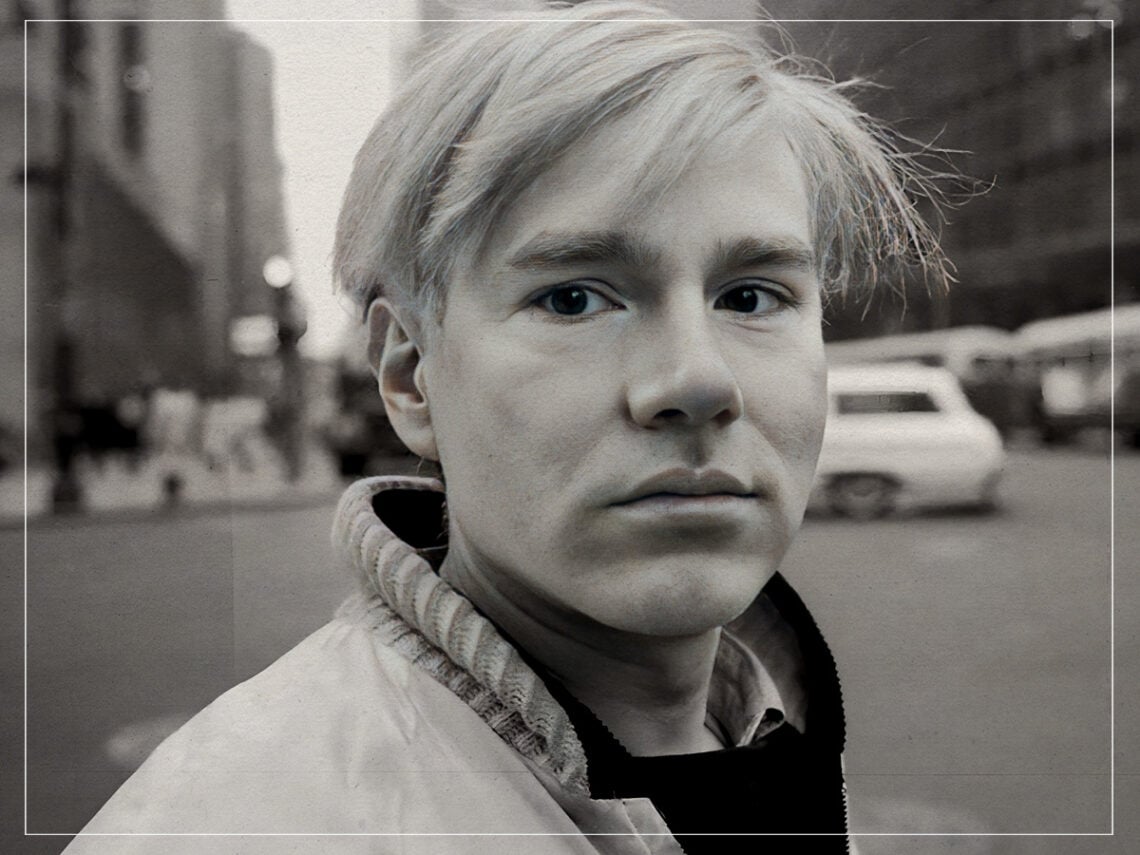
Andy Warhol is a classic example. Before his Soup Cans, Marilyn Monroe silkscreens, and his famous workshop called The Factory, Warhol was just another creative freelancer in New York trying to make a living. In the late 1950s, he designed book covers for Doubleday and contributed to the notable Best In Children’s Books series. In one 1959 volume, Card Games Are Fun by Alfred Steinwold, Warhol’s black and red pen drawings depict little kids playing cards in a garden — whimsical, cartoon-like, and far from the bold and avant-garde style of his later pop art.
Critics have examined how, despite the lack of acknowledgement for these early works, they foreshadow his later style we all associate with him. In The Little Red Hen, Warhol’s animals — a hen, a cat, and a newspaper-reading dog — are coloured in vibrant, almost highlighter-like hues, mimicking a child’s style. These early works are a stark contrast from the warm pastels typical of traditional children’s literature of the mid-century. However, this ‘technicolour’ palette is closely linked to the bold colours he’d go on to use later.
But Warhol was not alone, there were others who also started their successful careers as children’s authors. Aldous Huxley, most famous for his dystopian novel Brave New World, was one of them. The 1930s literary masterpiece is a sobering exploration of a dystopian future shaped by genetic engineering, consumerism, and the loss of individuality — the opposite of children’s stories I’d say…
But in 1944, Huxley wrote The Crows of Pearblossom, a wholesome, beautifully illustrated story about Mr. and Mrs. Crow, whose eggs keep disappearing thanks to a sneaky rattlesnake at the base of their tree. Published posthumously in 1967, the book reveals Huxley’s playful side — an astonishingly different oeuvre to his most successful literary piece.
Another is Ian Fleming, the creator of James Bond, perhaps the ultimate adult spy fantasy, and certainly far from a child-appropriate book and later film. Fleming’s Bond series, with its secret agent, femme fatales and hour-long series of fantastic stunt-man work, became one of the best-selling literary franchises of all time. But when Fleming’s son, Caspar, was born in 1952, the author turned his storytelling talents toward a much younger audience: the result was Chitty Chitty Bang Bang, a sweet adventure story dedicated to his son. This book, illustrated by John Burningham and later adapted into a film starring Dick Van Dyke, shows a side of Fleming far removed from martinis and espionage.
The gentle and softer sides to these artistic male giants, working across decades, are a wholesome reminder of not only the impressive repertoire of skills that these artists and writers had in varying forms of craft, but also they expose a much more human, paternal side to them, as we explore how they briefly escaped the trappings of adulthood, stepping into childhood in order to translate the world to children through story-telling.
