


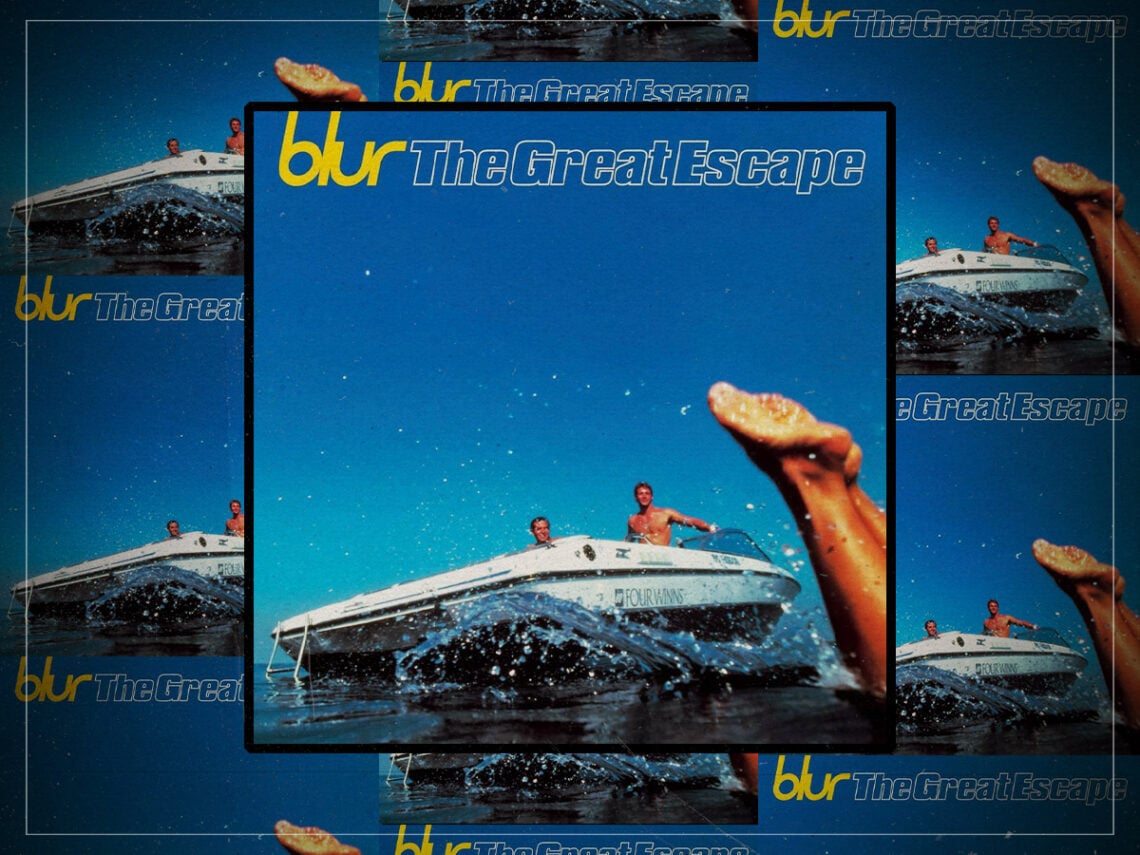
‘Fade Away’: Blur’s brief flirtation with ska

“When I was 12, I went to the Great Tey youth club in a little village outside of Colchester,” Damon Albarn recalled to Melody Maker in 1993. “I had my brogues, my little pork-pie hat, and my little badge, and I used to get in a ‘hokey-cokey’ circle with all my mates and pretend to be Madness.”
This sort of behaviour was hardly unusual for a teenage kid in England in the early 1980s, but Albarn saw the popularity of Madness and the other second-wave UK ska bands of the 2 Tone label as something of grander significance than the average pop trend.
“All the to-be Essex girls veered off into soul, and I went off wherever I did, but Madness bridged that gap,” he said. “They’re immensely important folk heroes in British pop music.”
Having been a bit too young for the ’70s punk explosion, ska became Albarn’s first template for coolness: musically, aesthetically, and culturally. Being a “rude boy” went beyond buying the records or wearing the right clothes; it was a political statement of sorts, an embrace of multiracial bands like The Specials and The Selecter and of a left-wing push back against the Thatcher-isation of Britain.
These things meant a lot more to Damon after his family left London for Colchester in Essex, leaving him to grow up in a bit of a dreary, suburban reality compared to the one he’d known.
“I was a complete fish out of water,” he said. “It was almost an exclusively white community… pretty racist. They [would take] to Thatcher’s dream and really go for it. The price was too much for me. The environment was fucked up, the vibrancy of the countryside was all gone. After Thatcher, the fields I was playing in one year [became] housing estates the next.”
The influence of the 2 Tone bands on Albarn’s subsequent songwriting with Blur was less about the actual ska and rocksteady elements of the music and more about the distinct, often humorous depictions of English life in the songs and the oddball characters inhabiting them. The Specials, even beyond Madness, became a particular obsession. “The Specials were my adolescence,” Albarn once said, and frontman Terry Hall, in particular, served as a central and obvious role model.

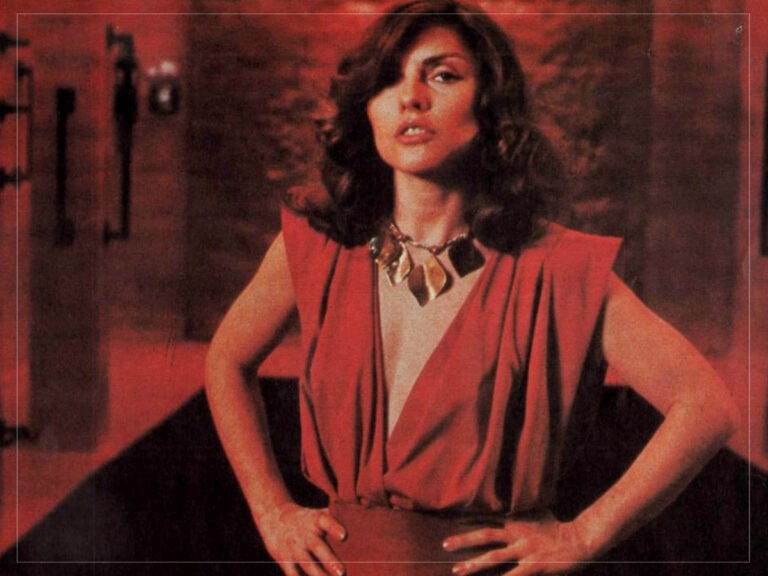

Speaking to Radio X in 2023, Albarn recalled, around the age of 14, how he “somehow managed to get to a filming of Top Of The Pops, and I found myself standing underneath Terry Hall and thought, ‘This is the coolest human being on earth.’”
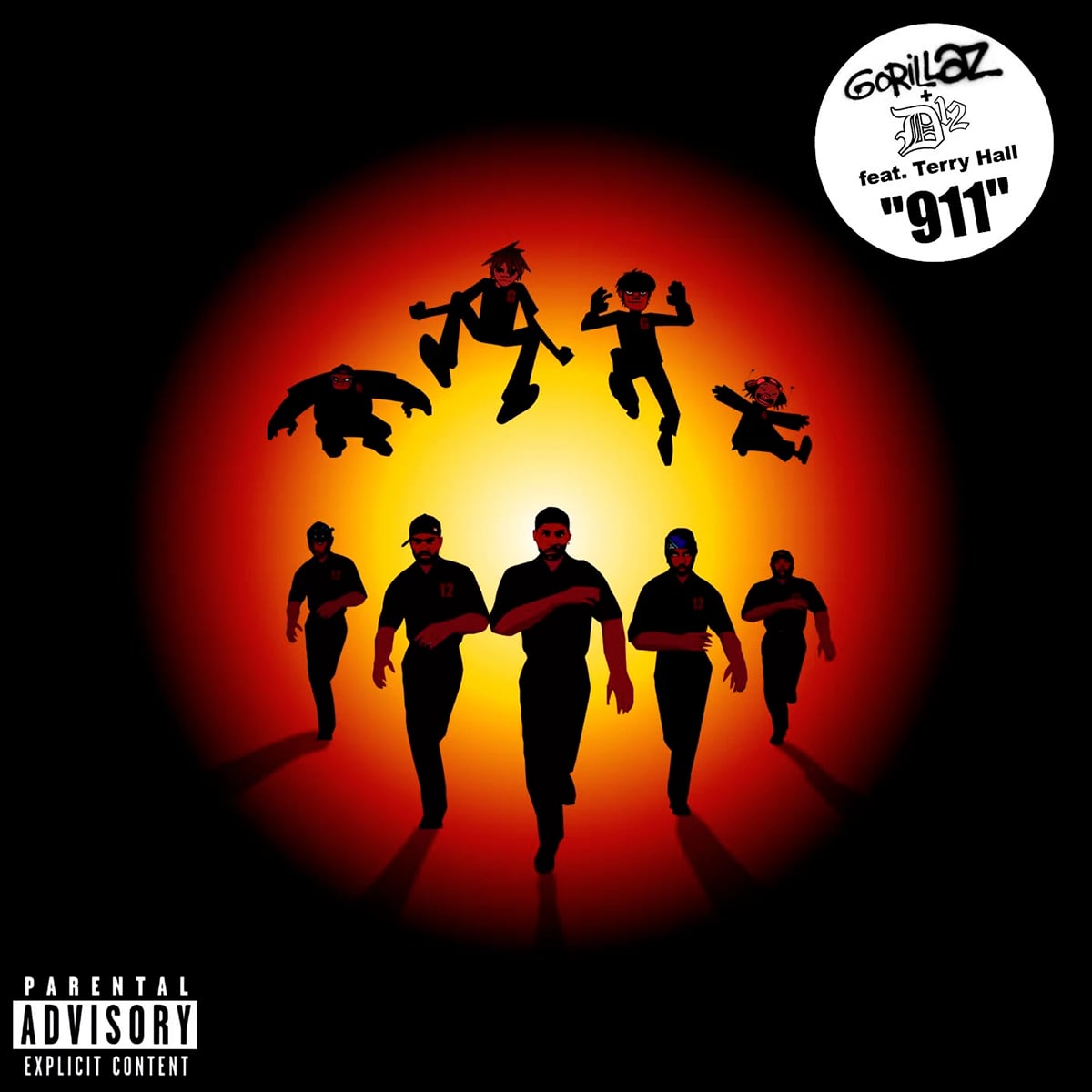
Years later, Albarn got the chance to collaborate with Hall on several occasions, including Hall’s 1995 single ‘Chasing a Rainbow’ and the 2002 Gorillaz track ‘911’.
“It’s just like a mutual respect with me and Damon,” Hall told BBC Radio in 2013. “I really like early Blur stuff, and we bumped into each other one day, and we just started talking, and you know, he was a fan of The Specials and Fun Boy Three. Then we just sort of hung out.”
It may or may not have been a coincidence, but in 1995, shortly after working with Hall for the first time, Albarn wrote what would easily go down as Blur’s most blatant attempt to go full 2 Tone.
Though not released as a single, ‘Fade Away’ was an immediate standout track on Blur’s fourth album, The Great Escape, the one that famously came out in the centre of the band’s Britpop war with Oasis. Unlike most of the slick, anthemic tunes on that record, though, this one was a clear, straight-forward nod to the retro ‘80s vibes and energy of Madness and The Specials, with Graham Coxon making his best effort to churn out the necessary skank chords on the guitar; Alex James funkifying his basslines; and a guest brass quartet known as the Kick Horns providing the necessary ska flavouring.
Presumably unbeknownst to the band, another ska revival was coincidentally on the horizon in America at this same point in time, with bands like Sublime, No Doubt, and the Mighty Mighty Bosstones on the cusp of their own chart success. ‘Fade Away’ did not fit into that ‘90s, skateboardy ska-core realm, however. If anything, the song was the lovechild of Madness’s ‘Our House’ and The Specials’ ‘Ghost Town’ in both its sound and lyrical themes, as Albarn stepped inside that archetypal, suburban English house to find the eerie, depressing scene of a passionless married couple, trapped in the directionless Thatcher-era city that Terry Hall had famously described.
“He noticed he had visible lines,” Albarn sings. “She worried about her behind / Their birth had been the death of them / It didn’t really bother them / Now when she’s in, he’s out.”
Word for word, ‘Fade Away’ might be the most bleak and cynical song in the Blur catalogue, oddly written by a 26-year-old Albarn at the height of his initial rise to fame and success. As with ‘Ghost Town’ 15 years earlier, though, the punchiness and spookiness of the rhythm and horns create an interesting contrast, so the listener feels like they’re briefly passing through as spectators of these characters’ sad existence, rather than doomed to live it alongside them. You might call it a word of warning.
Blur never really delved into the ska sound again, but interestingly, ‘Fade Away’ hadn’t been their first attempt at a Specials homage. A year earlier, while recording the album Parklife, the band had recorded demos of a ska-inspired song called ‘The Universal’. It was abandoned, but was later revisited on The Great Escape, with the ska elements jettisoned in favour of a much grander structure, featuring a lush string section and massive chorus. It became a top-five UK hit in its new form.
Albarn would explore some ska elements again in his work with Gorillaz, and he remained a lifelong friend and admirer of Terry Hall, who passed away in 2022 at the age of 63.
“He was a lovely, beautiful, fun person,” Albarn said after hearing of Hall’s death, “and I didn’t know he was so ill, so I never got a chance to say goodbye.”
