


The blood-spilling evolution of female villains in cinema

When horror emerged as a popular film genre, women stereotypically played the victims of killers and monsters, who were almost always men. The widely held belief that women are weak and squeamish shoehorned female actors into roles as damsels in distress rather than individuals capable of wreaking havoc through murder and mayhem, a trope that continued for decades. While it’s true that in real life, murderers – specifically serial killers – tend to be men, there has been a rise in on-screen female killers and villains over the past few decades.
Interestingly, the motives for female killers in movies often differ from those of men. Movies like The Texas Chainsaw Massacre, Halloween, Black Christmas, and American Psycho offer male killers who have no strong motives for their killings – often, we’re not given any at all – whereas it’s more common for female movie killers to have a very precise motive, like revenge. Of course, there are exceptions to this generalisation, but it is interesting to note that many female killers act in retaliation for abuse, rape, treatment of their family, specifically children, or the patriarchy.
The first instance of a female killer in a horror movie is hard to pinpoint, although early examples can be seen in movies like Cat People, where Irena turns into a murderous panther, The Bad Seed, in which 8-year-old Rhoda kills several people, and Homicidal, where a woman uses a male disguise to murder her victims. As the 1960s and ‘70s rolled around, female horror villains were becoming increasingly more common, whether that be in the form of lesbian vampire movies featuring women with intense bloodlust or films featuring unhinged women in the vein of Whatever Happened to Baby Jane?, Mademoiselle, and Carrie.
With women’s rights movements ushering more complex depictions of women into the mainstream, many filmmakers came to realise that women aren’t one-dimensional victims; there are plenty of women out there full of anger and unhappiness who have the power inside of them to be villainous and antagonistic. It’s important to show nuanced depictions of women on screen, no matter how messy or ‘unladylike’, because – put simply – women aren’t stereotypes. Sure, murder is, of course, a bad thing, but it’s a positive thing to show female characters unshackled from boxes like ‘damsel in distress’ and ‘femme fatale in need of saving’.
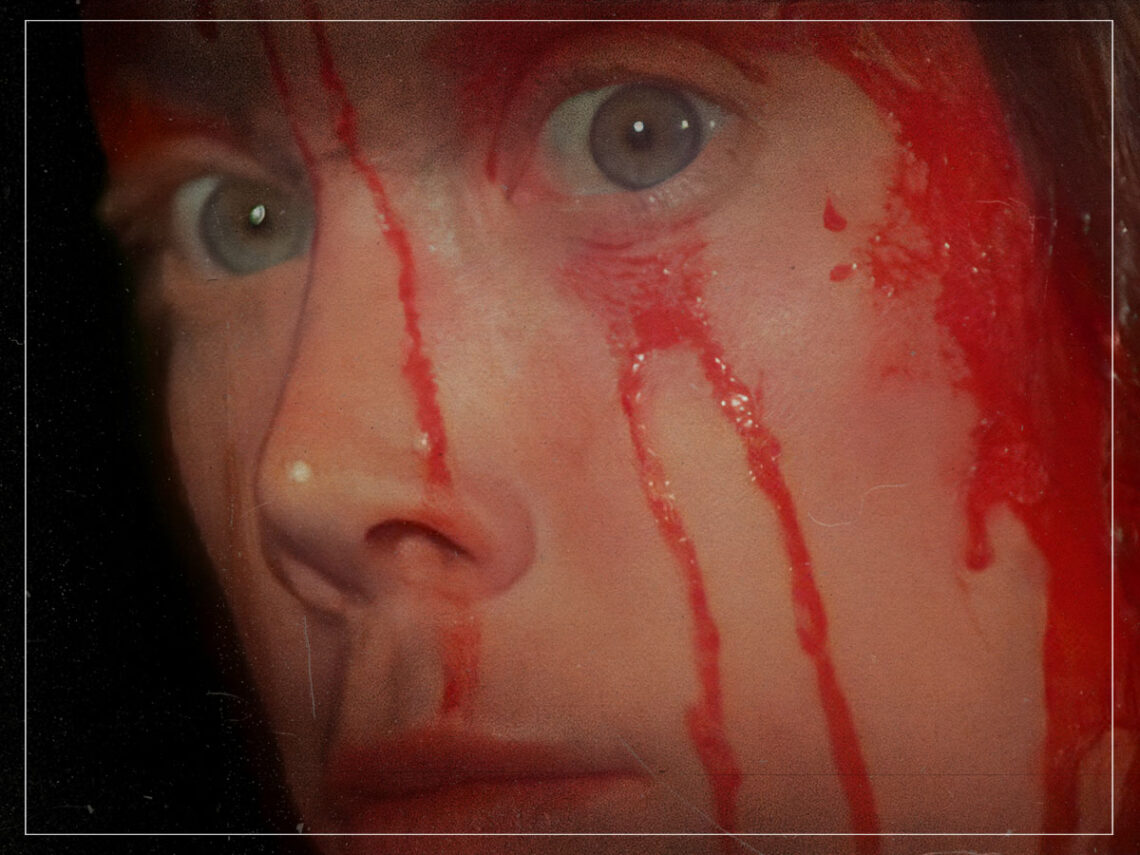
Women can be dangerous, full of rage, and ready to unleash this energy onto those who have wronged them, and many female viewers find a sense of catharsis from these depictions. Most of us would never dream of committing the acts we see some of our favourite female villains execute on screen, but by being able to watch these releases of distress and dissatisfaction play out – safely contained within the screen – we’re able to find a sense of justice. When Carrie sets the whole school ablaze after her peers mercilessly bully her, you can’t help but feel a sense of satisfaction as her tormentors reach their tragic fates.
These days, unhinged and villainous women are so much more common within popular media. Look at the phenomenon Pearl created online, with countless young women dressing up as Mia Goth’s crazed killer for Halloween following its release in 2022. Then there are movies like May, Ginger Snaps, Jennifer’s Body, The Craft, and Raw, all of which feature women who kill but have dedicated female followings, with many young women online identifying with the characters.
Outcasts seeking revenge, loners in need of love, and women significantly altered by abuse, these characters aren’t simply ‘born-bad’ killers like Michael Myers or Leatherface. They’re women with complex backgrounds and traumatic histories, affected by patriarchal systems that cause them to resort to violence.
It’s fascinating to witness the increase in female villains within the horror and thriller genres and how people respond to them. While many are cold-hearted and truly unredeemable characters, there are certainly more female villains emerging on our screens that people can’t help but love and champion, whether that be Tiffany Valentine from the Chucky franchise or The Girl in A Girl Walks Home At Night.
