


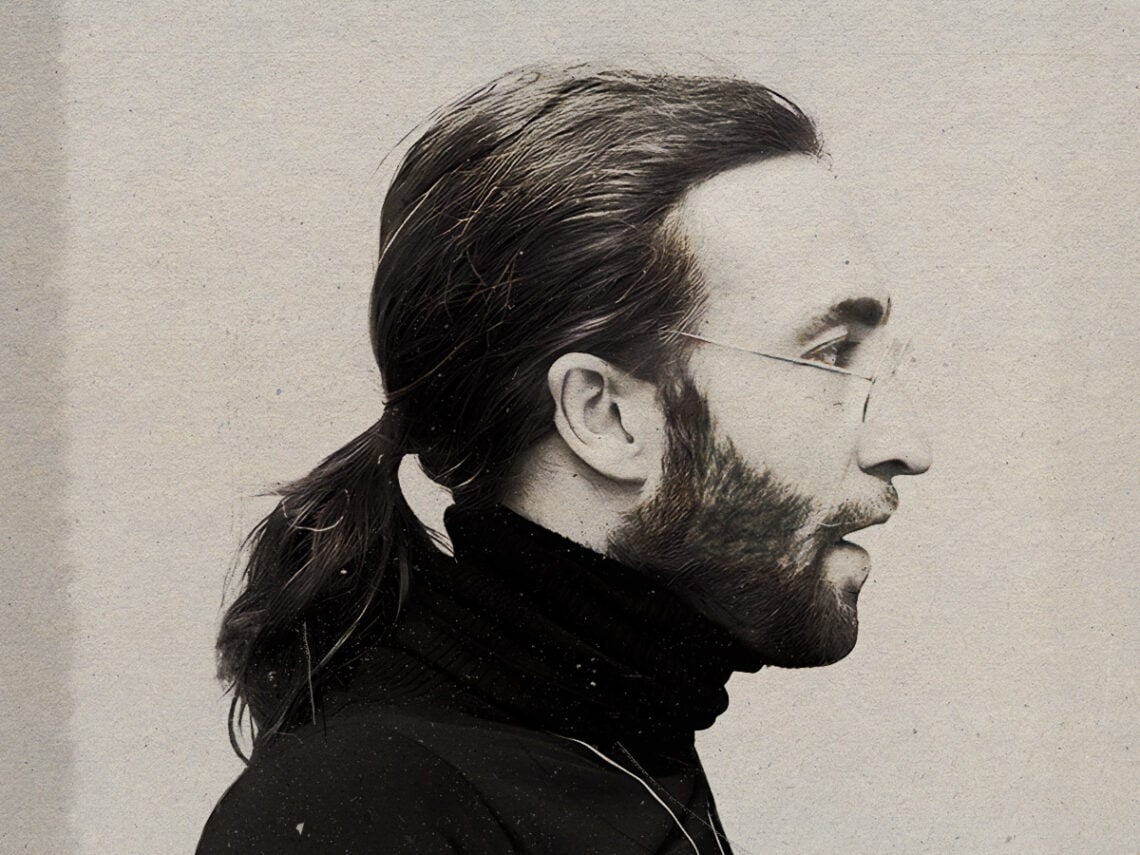
Everything John Lennon’s song ‘God’ claims he doesn’t believe in

With his self-titled debut solo album, it feels like John Lennon was looking to strike a blow against all that was sacred in his world up to that point. His mother, his father, his fans, his band, his school teachers, figures of authority and countercultural activists alike, the media, the ruling class, the working class – no one escaped his contempt. Not even God.
In fact, the song on the record closest to an outright manifesto is named after the divine creator of monotheistic religions. The first line of ‘God’ is part philosophy, part shock tactic. Lennon was so proud of it that he insisted on repeating it. “I’ll say it again,” he sings. “God is a concept, by which we measure our pain.” Behind his unapologetic vocals, Billy Preston’s stately piano playing underlines his point.
But if any God-fearing folks were offended upon hearing that introduction to the song, then the tolerance of listeners at large was about to be tested by Lennon’s most defiant statement yet. A litany of 15 different phenomena that the former Beatle claims he doesn’t believe in. There’s something for everyone.
“I don’t believe in magic,” he begins. This lyric would have immediately elicited cries of “Blasphemy!” from pulpits across the globe, as it appears to equate the world’s most-followed faiths with tricksters at children’s parties. Quite a change from the John Lennon who’d stammered his way through an apology four years earlier, after he’d provoked uproar simply by daring to say what most people already knew to be true: that The Beatles were more popular than Jesus at the time.
But what else didn’t Lennon believe in?
Religion and mysticism
It’s just monotheistic religions that Lennon takes aim at, although the Bible and Jesus Christ do get honourable mentions in his list of non-beliefs. Spiritual and mystical practices and belief systems from Italy to East Asia all get their due.
First up, there’s the I Ching, a divine Ancient Chinese text written around 3000 years ago, which informed the teachings of Confucius, Taoism and Buddhism. The Buddha himself is mentioned later, before the spiritual practice of Mantra, which encompasses various religions originating in the Indian subcontinent and the Middle East, including Jainism, Sikhism and Zoroastrianism. Lennon then refers to the Bhagavad Gita, the most famous scripture of the Hindu religion, along with the practices of yoga, which form constituent parts of Jainist, Buddhist and Hindu religions.

Political icons
Religions aren’t the only thing the singer is disavowing, either. He nails his colours firmly to the mast in coming out against the genocidal Nazi dictator Adolf Hitler, a particularly bold decision 25 years on from the Nuremberg Trials that exposed the Holocaust.
Nor does he believe in monarchs, which should have been evident from his “rattle your jewellery” quip at The Beatles’ Royal Variety performance in 1963. And from his decision to return the MBE medal he’d been awarded by the British Crown, as a protest against the UK government’s support of the Vietnam War.
Interestingly, though, he goes one step further, taking a swipe at US President John F Kennedy. Since his assassination seven years earlier, Kennedy had been lionised across the political spectrum to the point that a cult had developed around what he apparently stood for.
This cult seemed to overlook the role Kennedy had played in the entry of the US military into Vietnam and in the Bay of Pigs invasion and Cuban Missile Crisis, which had led the world to the brink of nuclear apocalypse. Lennon is one of the few prominent public figures to have unequivocally rejected the cult of Kennedy in the 1960s and 1970s, alongside Malcolm X.

Musical contemporaries
Yet more than any religious or political figure, Lennon’s rejection of his fellow rock and roll stars upset the most people. Devout worshippers, monarchists, neo-Nazis and admirers of JFK weren’t exactly Lennon’s primary audience anyway. But fans of Elvis Presley and Bob Dylan certainly were. Lennon even refers to Dylan by his birth name rather than his stage name as a deliberate slight to his artistry, despite the three-syllable word “Zimmerman” not fitting the metre of the song.
He saves the biggest slight of all till last, however, as Preston’s amplified piano chords reach a crescendo. “I don’t believe in Beatles,” Lennon concludes, breaking the hearts of an entire generation in a single sentence. “I just believe in me,” he adds. “Yoko and me, that’s reality.” It was for him, at least.
Lennon was purposefully casting off the shackles of almost a decade under the microscope of public expectations, music industry demands and Beatle groupthink. And he didn’t care who he offended in the process. But for millions of Fab Four followers who saw him more than anything as one of John, Paul, George and Ringo, that one must have hurt.
Everything John Lennon says he doesn’t believe in during his song ‘God’:
- Magic
- The I Ching
- The Holy Bible
- Tarot
- Adolf Hitler
- Jesus Christ
- John F Kennedy
- The Buddha (Siddhartha Gautama)
- Mantra
- The Bhagavad Gita
- Yoga
- Kings
- Elvis Presley
- Robert Zimmerman (Bob Dylan)
- The Beatles

Never Miss A Beat
The Far Out Beatles Newsletter
All the latest stories about The Beatles from the independent voice of culture.
Straight to your inbox.