


Every movie nominated for at least 13 Oscars, ranked from worst to best

The Academy Awards have a positive impact on the film industry because they ensure that there’s a reason to celebrate great achievements in the arts.
The unfortunate truth is that there are many viewers who would not seek out challenging cinema if there wasn’t a competitive aspect involved, and many of the most decorated films of recent years wouldn’t have been made if there wasn’t the potential for ‘Oscar buzz’.
However, while they may cause a greater fellowship among those in the industry, the Oscars don’t always get it right; there are many amazing filmmakers who have yet to win a major award, and there are also great actors who haven’t received their moment.
When looking at films that have the most overall nominations, it’s not always the most iconic films in history, with The Godfather, Citizen Kane, The Social Network, and On the Waterfront failing to crack the record. More often than not, films that have a tremendous degree of spectacle are likely to earn the most overall recognition because they have the potential to compete in the most categories.
This may slant the narratives surrounding nomination leaders in a certain direction, but it doesn’t mean that it’s not interesting to think back at the titles that were considered significant within the initial window of their release.
Best to worst movies with at least 13 Oscar nominations:
‘Emilia Pérez’ (Jacques Audiard, 2024)<br>

The Oscars will occasionally nominate films that are overhyped or only popular among certain segments of the voting branch, but Emilia Perez is one of the few ‘Best Picture’ nominees that could be described as flat-out bad. It’s an insincere, deliberately shocking work of exploitation that doesn’t have any sympathy for its characters and uses their identities in order to build manipulative melodrama. It’s also just a bad musical that fails to have any memorable tracks or well-staged numbers.
Although it may have taken a scandal involving the female lead to destroy Emilia Perez’s chances of being a potential winner, as it even ended up losing the ‘Best International Feature’ award to the much better Brazilian entry I’m Still Here, the fact that it got so far into award season is one of the most embarrassing failures in the recent history of the Oscars.
‘Shakespeare in Love’ (John Madden, 1998)<br>
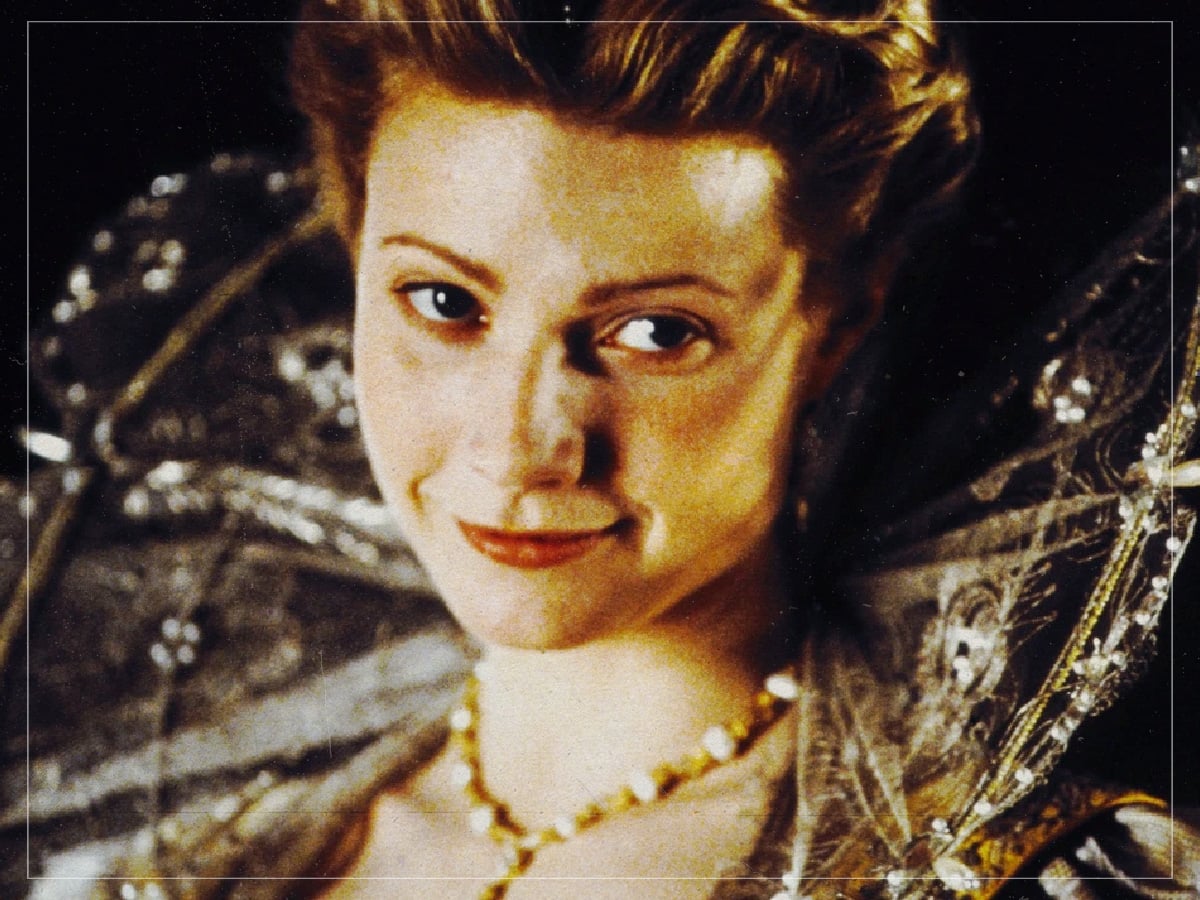
Shakespeare in Love may have been remembered as a pleasant, fun little romantic dramedy about the fictionalised life of William Shakespeare had it not also tied an Oscar record and taken home the award for ‘Best Picture’. It was through a rather infamous bit of Oscar campaigning that producer Harvey Weinstein started a smear campaign against Saving Private Ryan, the presumed frontrunner, allowing Shakespeare in Love to take home the accolade in a shocking upset.
None of the craft awards given to Shakespeare in Love were without merit, and Judi Dench’s brief scenes are all quite entertaining. However, there’s really nothing that elevates the film above a standard costume drama, as its knowledge of the depth of the writing of ‘The Bard’ doesn’t go beyond the type of basic summarisation that could be found in a freshman English essay.
‘The Curious Case of Benjamin Button’ (David Fincher, 2008)<br>
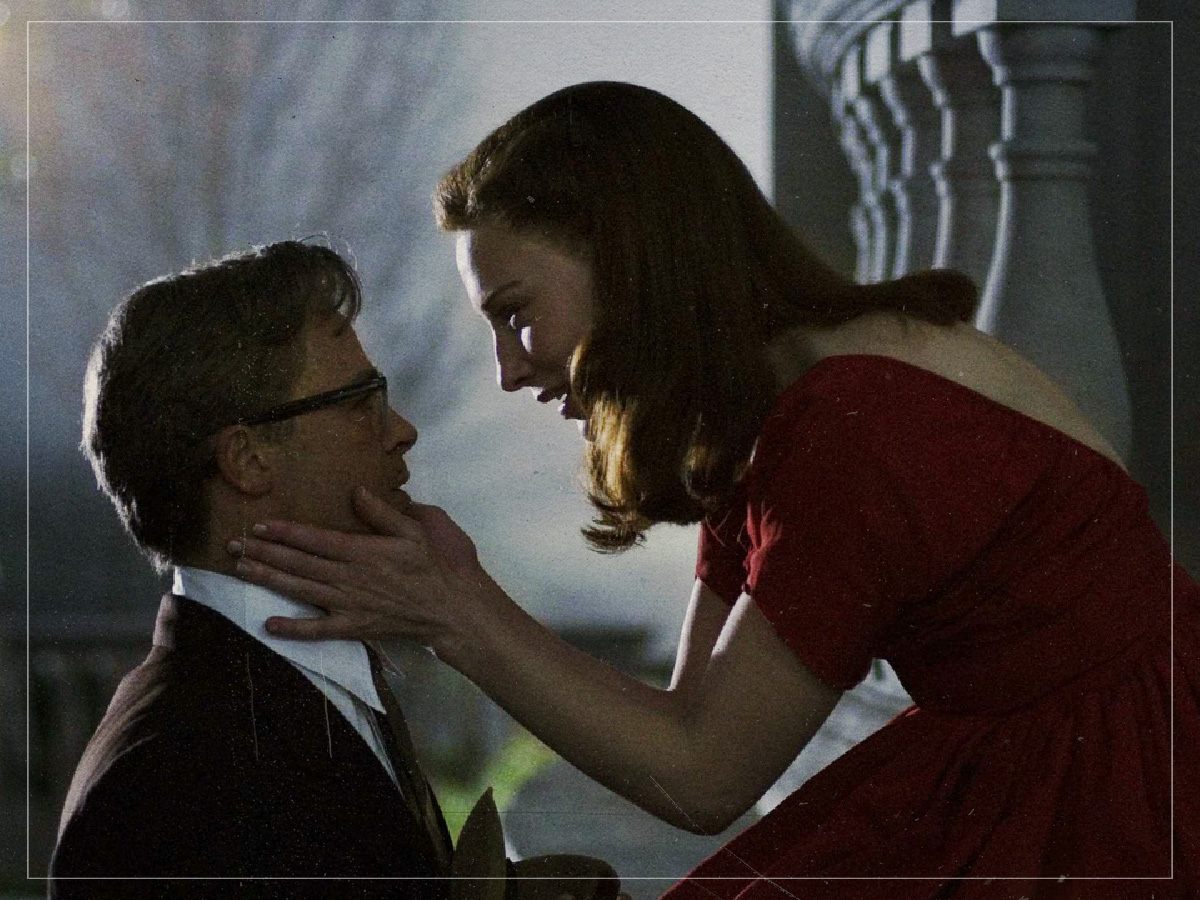
It’s always curious when the Oscars decide to cave in and recognise an artist that they had long since ignored, even if it is not for their best work. David Fincher was unequivocally responsible for some of the greatest thrillers of the ’90s with Se7en, The Game, and Fight Club, but his first nominations for ‘Best Picture’ and ‘Best Director’ came for the rather mediocre adaptation of The Curious Case of Benjamin Button.
Considering that the novel itself was often considered to be ‘unadaptable’, it’s impressive that Fincher was able to make something relatively engaging, particularly with his inventive use of makeup and CGI effects. However, the film’s earnest attempts feel a bit too sincere and wholesome for someone of Fincher’s calibre, especially given his reputation for being a rather demanding and at times difficult director.
‘Chicago’ (Rob Marshall, 2002)<br>
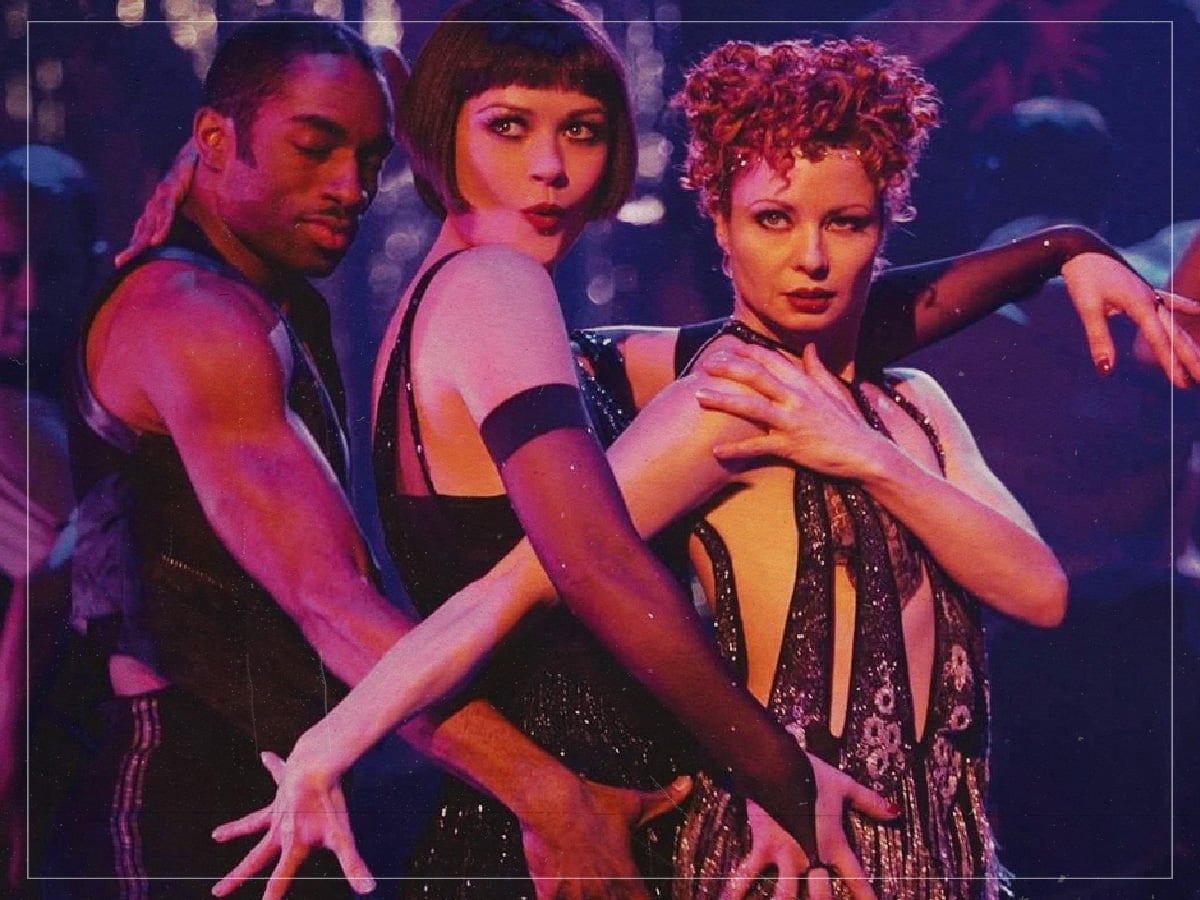
The Oscars have had a longstanding love affair with movie musicals, and Chicago offered a revival to the genre after years of failed relaunches. It’s not hard to see why the film’s technical aspects were awarded, and the Oscar-nominated performances by Rene Zellweger, Catherine Zeta-Jones, Queen Latifah, and John C Reilly were certainly deserving, but the sheer adoration the film received may have been in part due to how long it had been since a great musical had debuted, for it really doesn’t have the dexterity or charm of all-time, Oscar-winning classics like An American in Paris or West Side Story.
If the original stage show was dark and at times satirical, Rob Marshall’s adaptation is more of an entertaining romp with occasional instances of black humour, making for a fun watch, but it doesn’t do anything that wouldn’t have been better experienced as a live performance.
‘The Shape of Water’ (Guillermo Del Toro, 2017)<br>
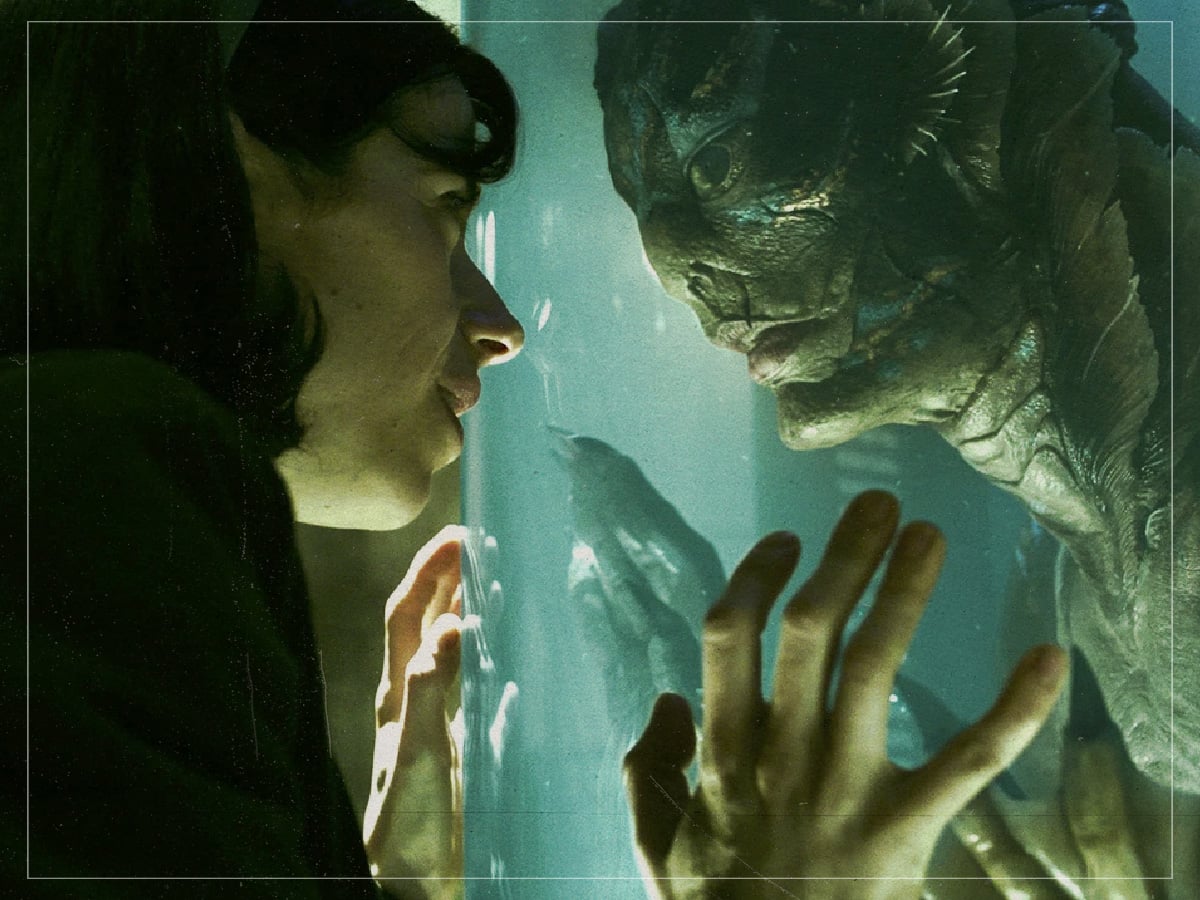
The Shape of Water was noteworthy as the second-ever fantasy film to win ‘Best Picture’ after The Lord of the Rings: The Return of the King, and served as a major recognition for Guillermo del Toro after years of being snubbed.
Earlier del Toro films like The Devil’s Backbone and Pan’s Labyrinth had a slight edge to them that became both creepy and enchanting, but The Shape of Water is a much more straightforward story about outsiders finding one another, playing a bit cheesy at times, with the framing device of telling the story as a fairy tale growing increasingly tiresome. However, all of the crafts for the films are on point, and del Toro is able to broadcast his love of the ‘Golden Age of Hollywood’ during a particularly wonderful dance number.
‘Forrest Gump’ (Robert Zemeckis, 1994)<br>
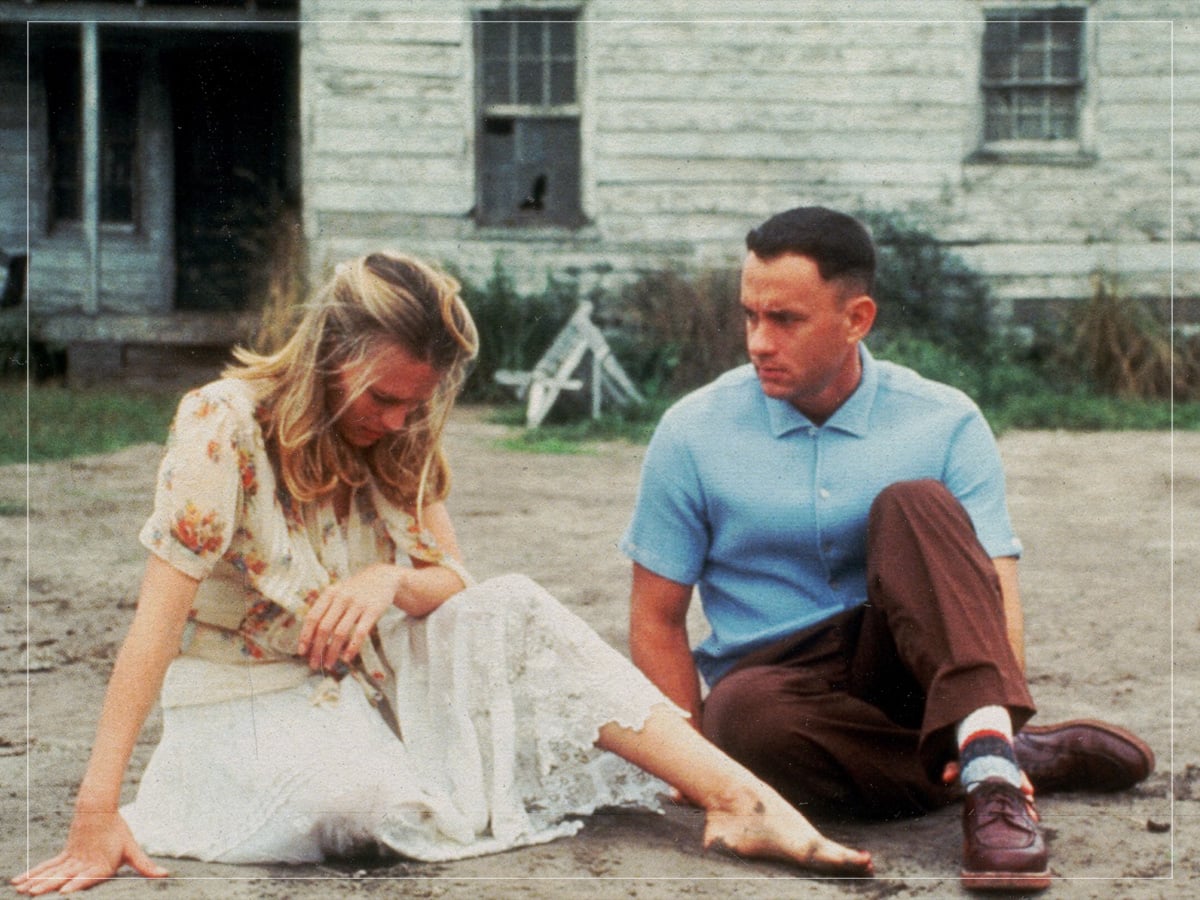
Forrest Gump is one of the most widely debated films in history because, over three decades later, it’s unclear how satirical Robert Zemeckis’ historical adventure was intended to be. While there are certainly moments in which he is poking fun at the way that American history has lionised itself, there’s also an unquestionably sympathy for the main character, who the film seems willing to both celebrate and make fun of.
Forrest Gump is a tricky film because it has moments of pure adulation, as well as crime-inducing instances that certainly wouldn’t fly today. It’s still a relatively entertaining film that has stood the test of time, but the fact that it won ‘Best Picture’ over both The Shawshank Redemption and Pulp Fiction now feels like one of the biggest blunders in Oscar history when considering the legacies that all three nominees currently sustain.
‘Sinners’ (Ryan Coogler, 2025)<br>
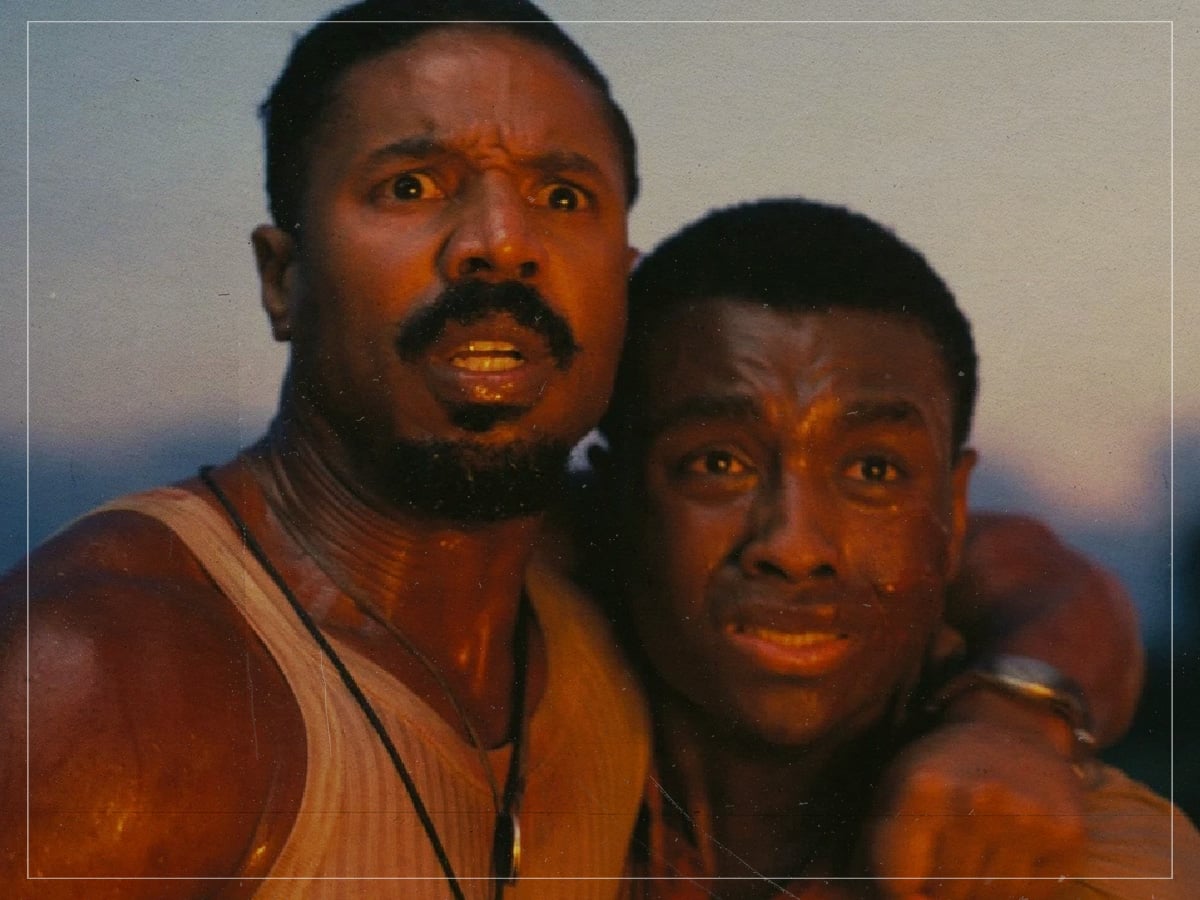
Sinners broke records from the moment that it overperformed at the box office, as the ambitious vampire thriller from Ryan Coogler topped the all-time record by earning 16 Oscar nominations. There’s not a single element of Sinners’ crafts that can’t be praised, and it was particularly great to see Delroy Lindo receive a nomination after years of being looked over for his tremendous work.
The film is without a doubt a feat of genre filmmaking, but a careful analysis of its subtext may reveal its critical eye to be unfocused; what the vampires are intended to represent is vague and at times contradictory, and the second half of the film dips into spectacle in a way that’s not entirely congruent with its first half. Still, Sinners is such an immersive experience, particularly in IMAX, that it stands as a win for original filmmaking in its entirety.
‘Gone with the Wind’ (Victor Fleming, 1939)<br>
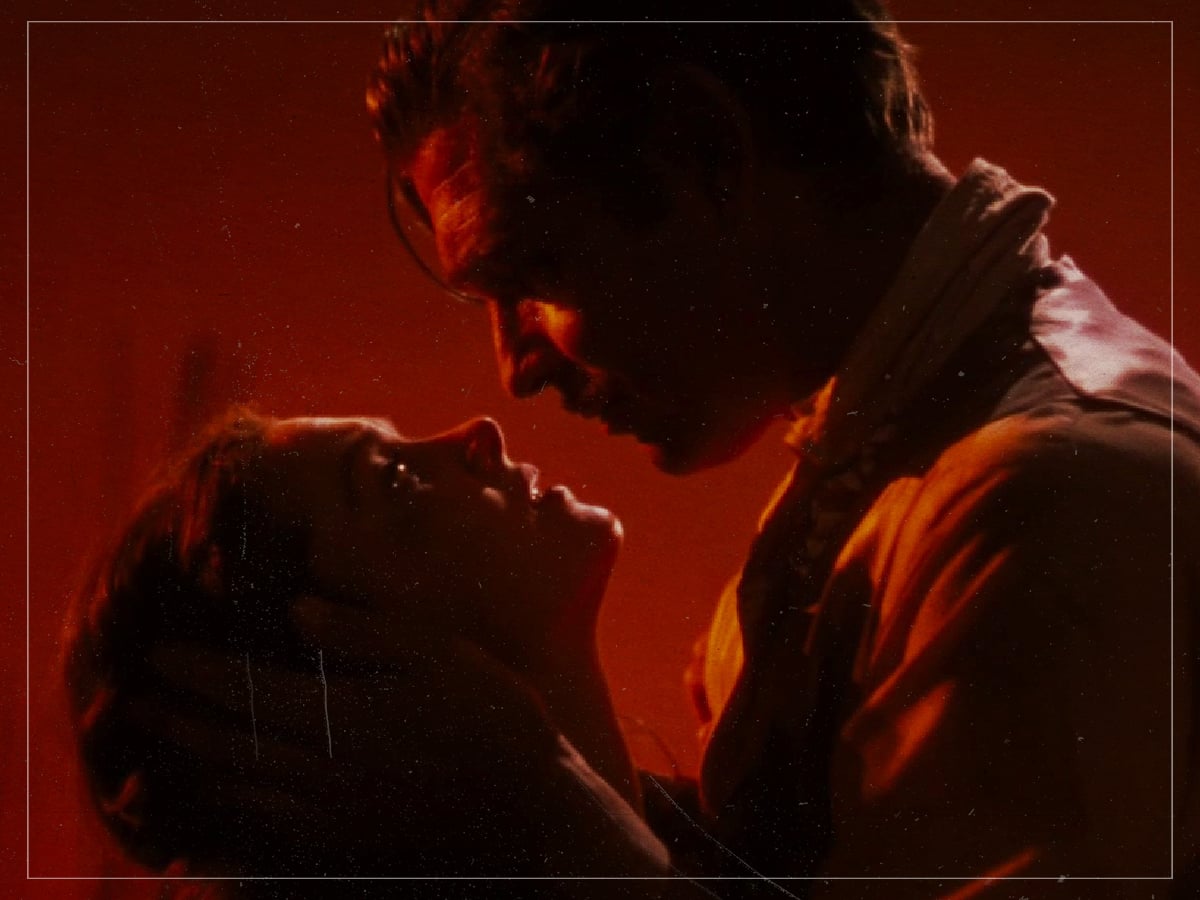
Gone with the Wind was for a long time the most successful film in the history of Hollywood, and still stands as the highest-grossing release, even upon adjustments for inflation. Not only is the film a tremendous visual and technical achievement that holds up just as well today as it did in 1939, but the chemistry between Vivien Leigh and Clark Gable essentially set the template for all of what contemporary romantic drama would be.
It would be impossible to discuss the film, though, without mentioning the controversy, as its sympathies with the Confederacy and regressive portrayal of African-Americans make it a tough watch today. Accusations that Gone with the Wind is slow and boring are also not entirely off-base when considering 1939 saw the release of other films that have aged much better, including Stagecoach, The Wizard of Oz, Of Mice and Men, and Wuthering Heights.
‘Titanic’ (James Cameron, 1997)<br>
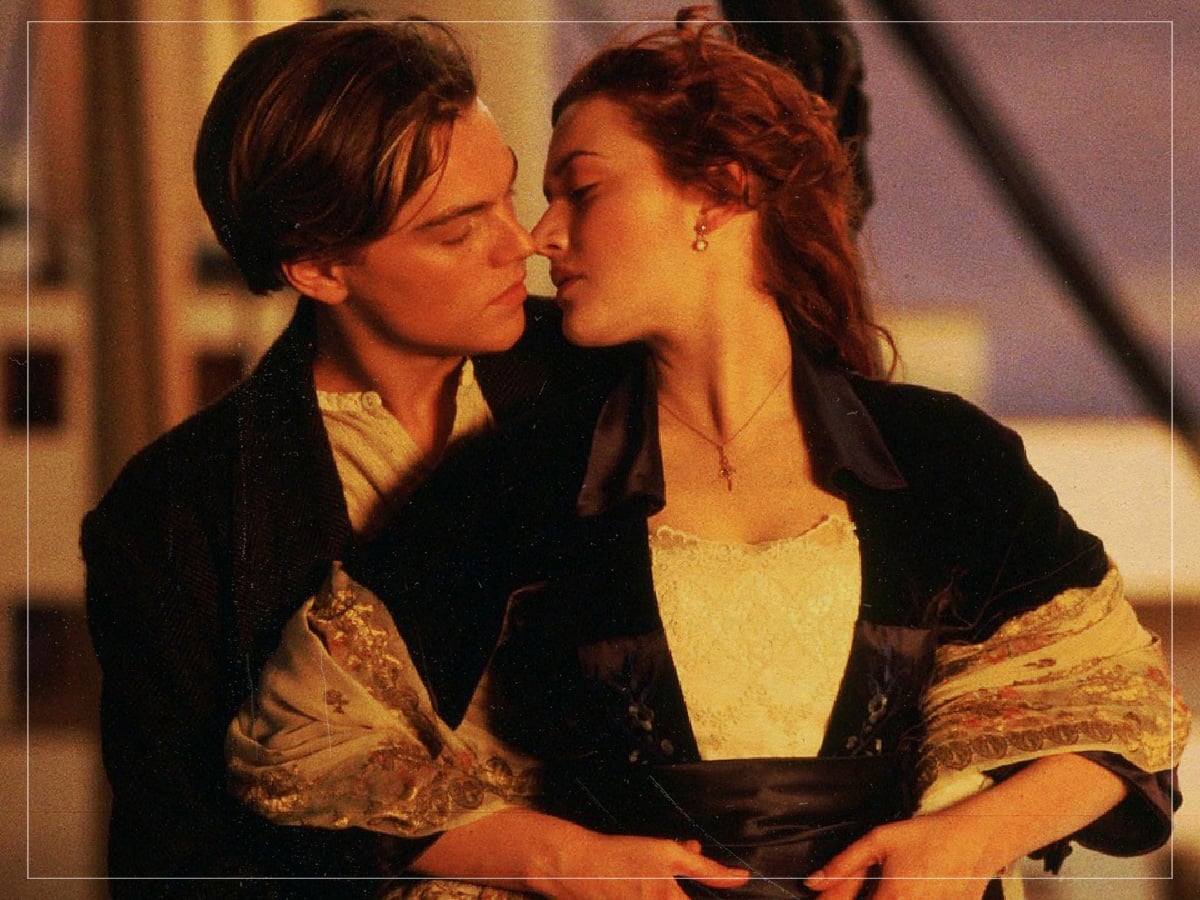
Titanic was not the first film to prove that James Cameron was impenetrable at the box office, but it did become a success that would seem inconceivable by today’s standards. It was unquestionably the cultural event of the decade, and deserved all the technical trophies it received due to Cameron’s unparalleled ability to merge the practical and the digital. However, while box office does not indicate quality, films don’t reach the level of success that this venture had without having a profound effect on their viewers.
Titanic isn’t exactly the best-written film; in fact, there hasn’t been a ‘Best Picture’ winner since that was at least nominated in one of the screenplay categories. That being said, the chemistry between Leonardo DiCaprio and Kate Winslet was so strong that it’s easy to forgive it for the moments that it becomes cheesy, unrealistic, and a touch emotionally manipulative.
‘Who’s Afraid of Virginia Woolf?’ (Mike Nichols, 1966)<br>
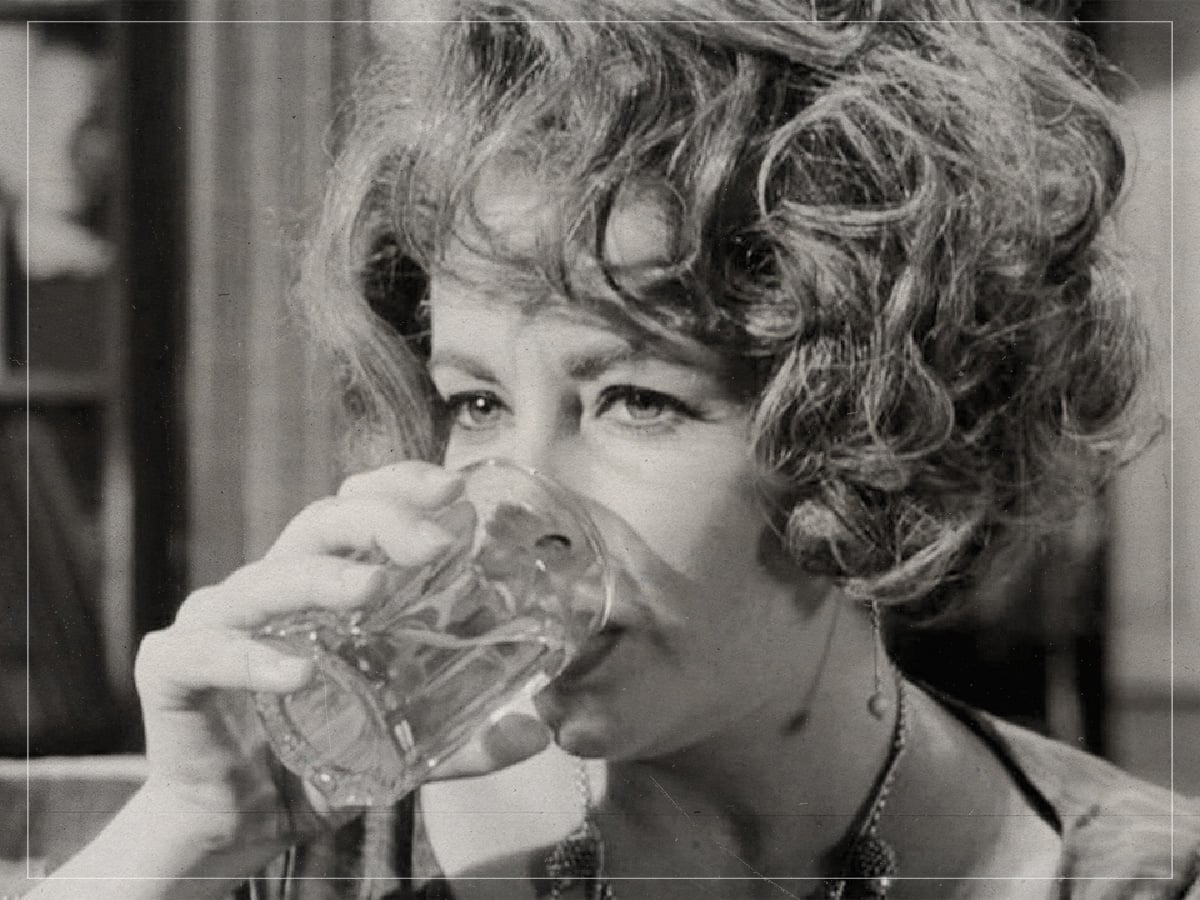
Who’s Afraid of Virginia Woolf? is an anomaly among the films with the most Oscar nominations because it is not a historical epic or sweeping adventure. Mike Nichols’ brilliant adaptation of the beloved Broadway play is a tight, brazenly cynical look at the breakdown of interpersonal relationships between tormented characters on the verge of collapse.
Despite the restrictions put upon cinema at the time due to a more strict ratings board, Who’s Afraid of Virginia Woolf? was able to touch upon various controversial issues, and didn’t offer the type of moral finger-wavering that was common within Hollywood films at the time. Today, it is best remembered for the incredible showcase of performances, as it marked the first time in the history of the Oscars that the entire cast for a film was recognised, and Elizabeth Taylor and Richard Burton, in particular, have never been better.
‘All About Eve’ (Joseph L Mankiewicz, 1950)<br>
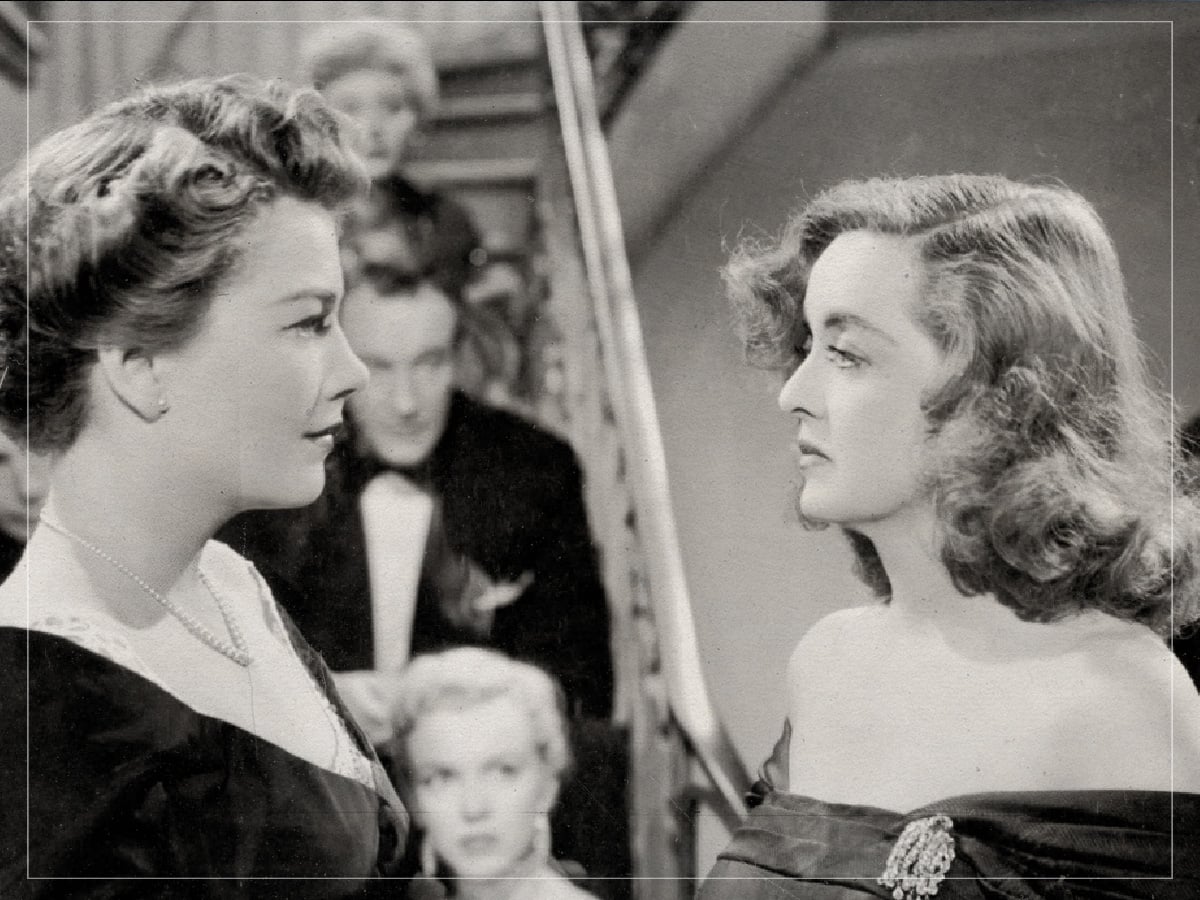
All About Eve is often cited as the defining masterpiece of Joseph L Mankiewicz, the brilliant filmmaker who many would cite to be among the greatest in history. Given his own experiences in both Broadway and Hollywood, he was the perfect person to tell a story about the challenging relationships between fans, talent, producers, and audiences, as All About Eve provided a backstage look into the lives of performers in a way that simply felt unprecedented in 1950 for how nuanced and darkly humorous it was in its lens.
The film serves as a collection of some of the era’s most legendary stars, with Bette Davis in particular giving the performance of her career, and even if it is now a time capsule for a specific moment in American history, its searing commentary on ambition, art, and legacy feels just as relevant today.
‘Mary Poppins’ (Robert Stevenson, 1964)<br>
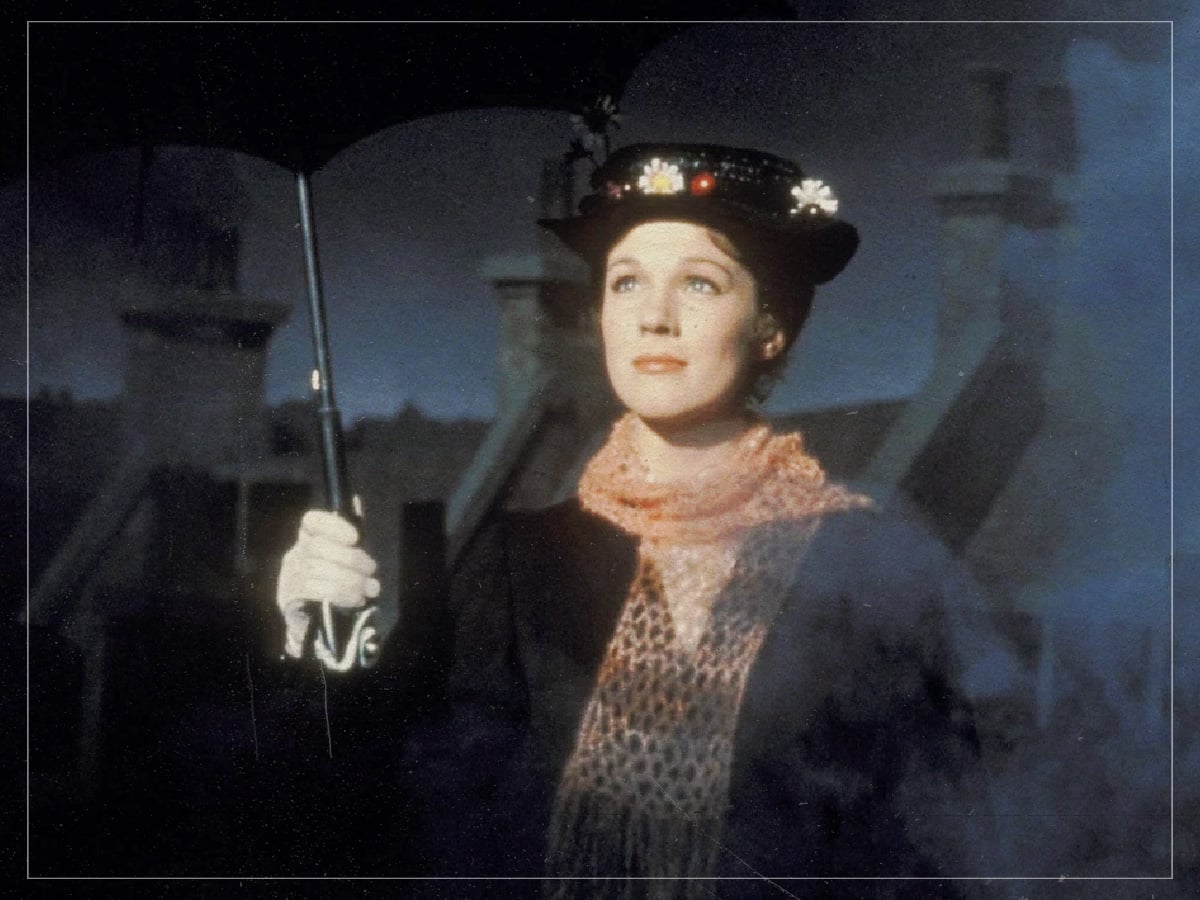
Making a truly timeless family film that genuinely appeals to audiences of all ages is no easy task, and one doesn’t have to look further than the poor state of today’s live-action kid franchises like Minecraft and Wicked to see how dire it has gotten. Mary Poppins isn’t just a great musical with one of the all-time great film characters as portrayed by Julie Andrews in her most iconic role, but a heartfelt story about retaining innocence and hope, something that both children and adults have in mind.
It’s remarkable that the musical sequences in Mary Poppins are just as exciting today, and that the simple blend of live-action and 2D is still wondrous. The film was able to teach kids a lesson without talking down to them, and its success has been something that Disney has tried to replicate for every generation since.
‘From Here to Eternity’ (Fred Zinnemann, 1953)<br>
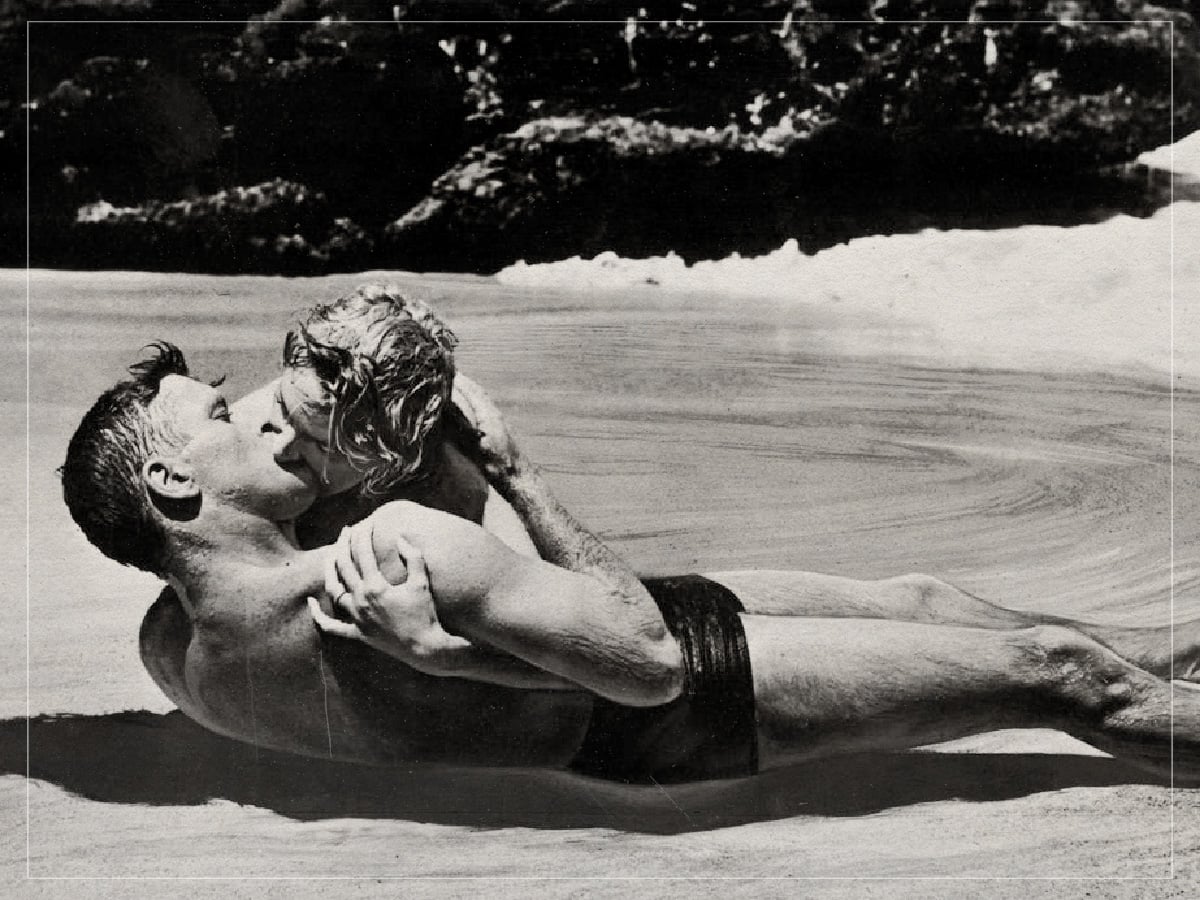
It’s now common for Hollywood to release films that are based in part on true stories, but the prospect of drawing inspiration from a recent tragedy was unthinkable in 1953, as it had been less than a decade since the ending of World War II. However, From Here to Eternity, inspired by the iconic James Joyce novel of the same name, used the bombing of Pearl Harbour as the focal point of a brilliant ensemble drama that explored the passions, vulnerabilities, and disenfranchisement of an entire generation of Americans who weren’t expecting to be thrust back into a global conflict.
The film is thoughtful, emotional, and pulls off its dramatic elements with grace; although it assembled one of the greatest collections of stars within any film of the era, there’s not a moment when the cast of From Here to Eternity does not feel believable as their characters.
‘Oppenheimer’ (Christopher Nolan, 2023)<br>
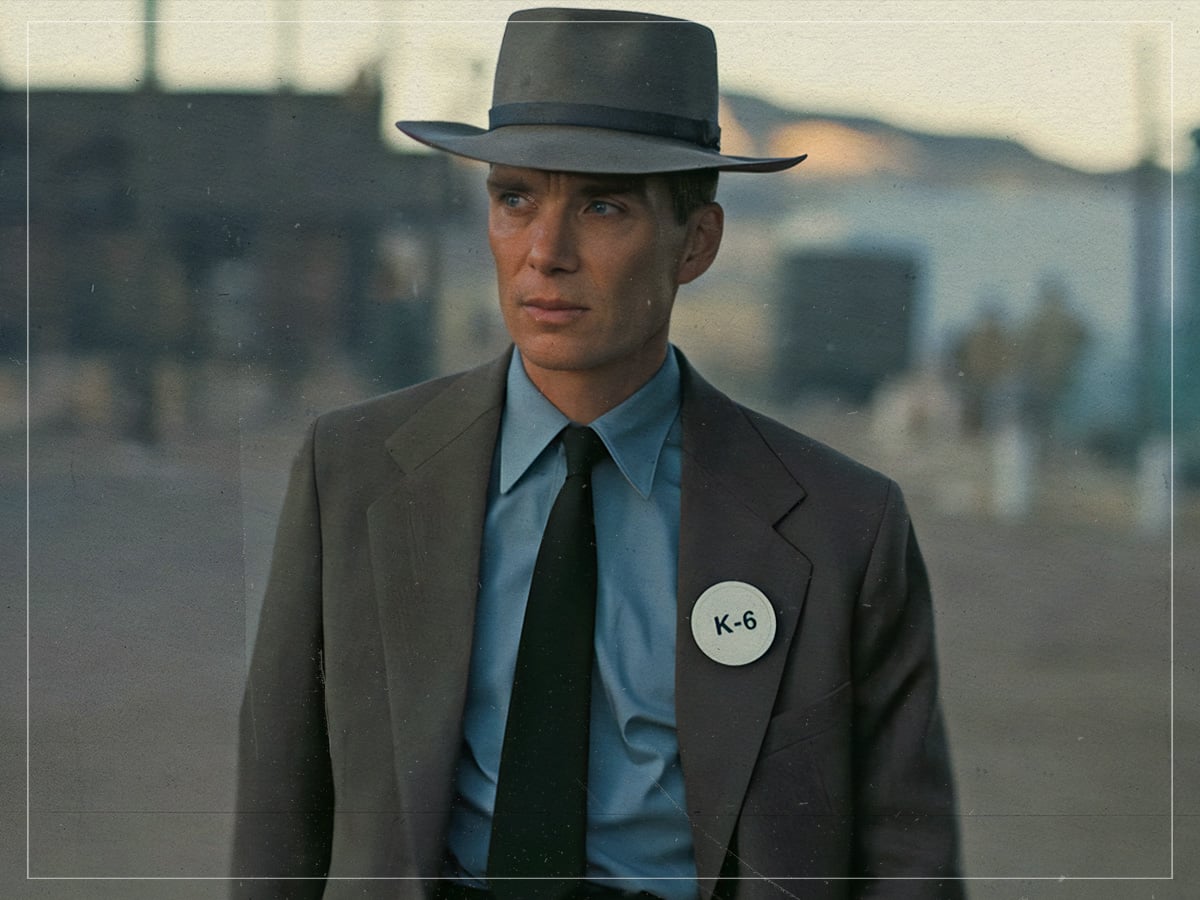
Oppenheimer is not only the film that Christopher Nolan had been preparing his entire career for, but a masterpiece that only he could have made. Nolan is the rare filmmaker who uses scale and spectacle to convey complex ideas, and this film served as a probing analysis of the most monumental moment in world history, in which mankind’s capacity for destruction reached its limits.
Oppenheimer is masterfully edited, as the director is able to move in-between segments of the timeline fluidly, while creating interesting roles for his all-star cast. The use of practical effects and production design made for a real, intimate encapsulation of history that was quite timely due to the searing final moments, in which Cillian Murphy’s titular character is given a beat to reflect on what he unleashed upon the Earth. It’s Nolan’s most ambitious film to date, and perhaps also his best.
‘La La Land’ (Damien Chazelle, 2016)<br>
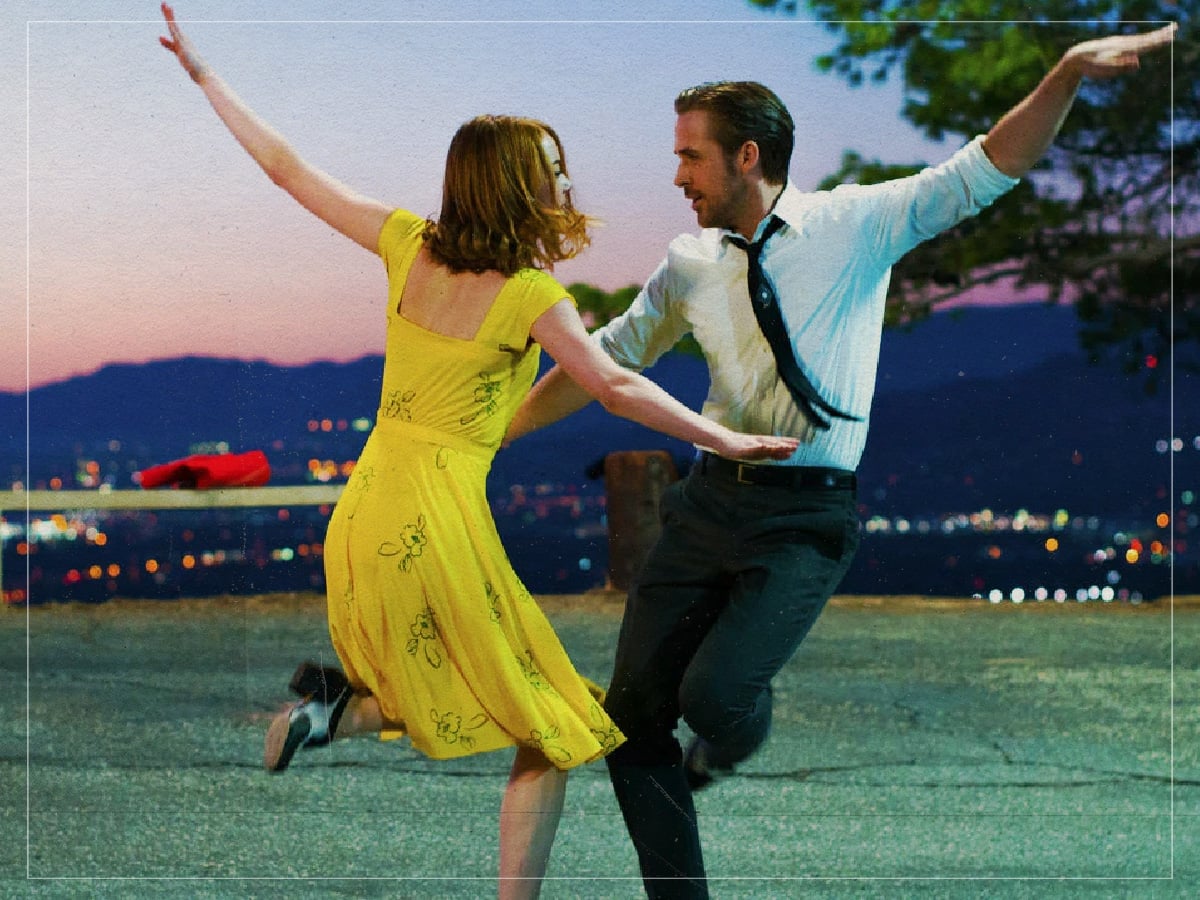
La La Land ends with a fantastical moment where the characters have their happiness confirmed and see their hard work pay off, only to have it snatched away at the last minute. This is also what happened in reality when La La Land, the presumed frontrunner for ‘Best Picture’, was mistakenly proclaimed the winner before Moonlight was given the actual prize due to a mistake made by the show’s producers.
La La Land is a far more subversive and thoughtful film than it’s given credit for, as Damien Chazelle frames the majesty of Hollywood history against the realities faced by those currently trying to make it in the creative fields. Although at the time the victory of Moonlight may have seemed like an instance of justice, time has shown that the former would have been a far more deserving winner.
‘One Battle After Another’ (Paul Thomas Anderson, 2025)<br>
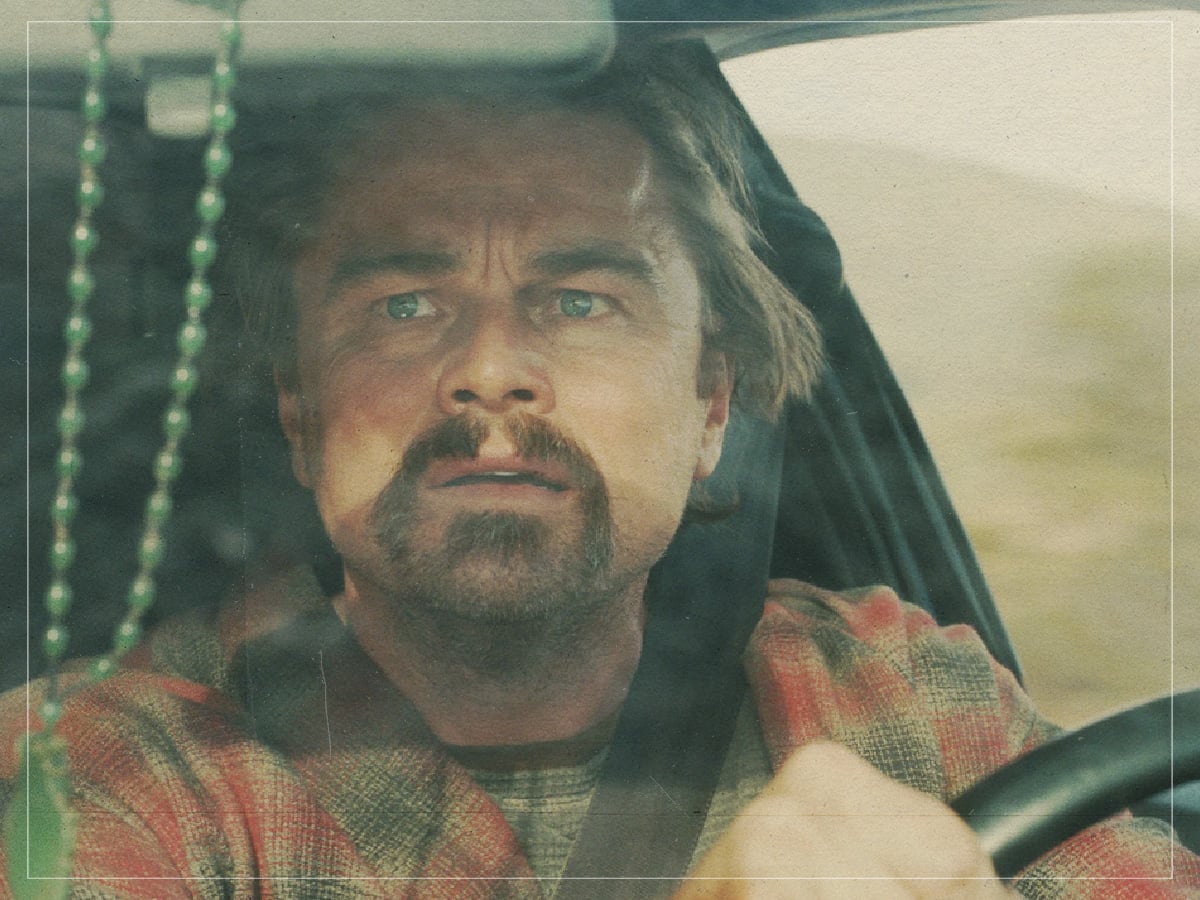
One Battle After Another is Paul Thomas Anderson’s response to the present, as it examines how the cruelty of the establishment and the failings of former revolutionaries have led to a situation where the youth of America are forced to sort through the pieces. It’s a film that explores just how divided the nation has been, but operates as a propulsive, often hilarious road trip adventure that proves Leonardo DiCaprio is just as effective as a comedic actor as he is a dramatic one.
The quirkiness and banter in One Battle After Another give it a vibrancy that ensures its nearly three-hour running time never feels overpowering, yet none of the lighter touches prevent Sean Penn’s Colonel Lockjaw from being one of the scariest villains in recent history. Should the film not win the coveted ‘Best Picture’ trophy, it may be an embarrassment that the Oscars will never live down.
‘The Lord of the Rings: The Fellowship of the Ring’ (Peter Jackson, 2001)<br>
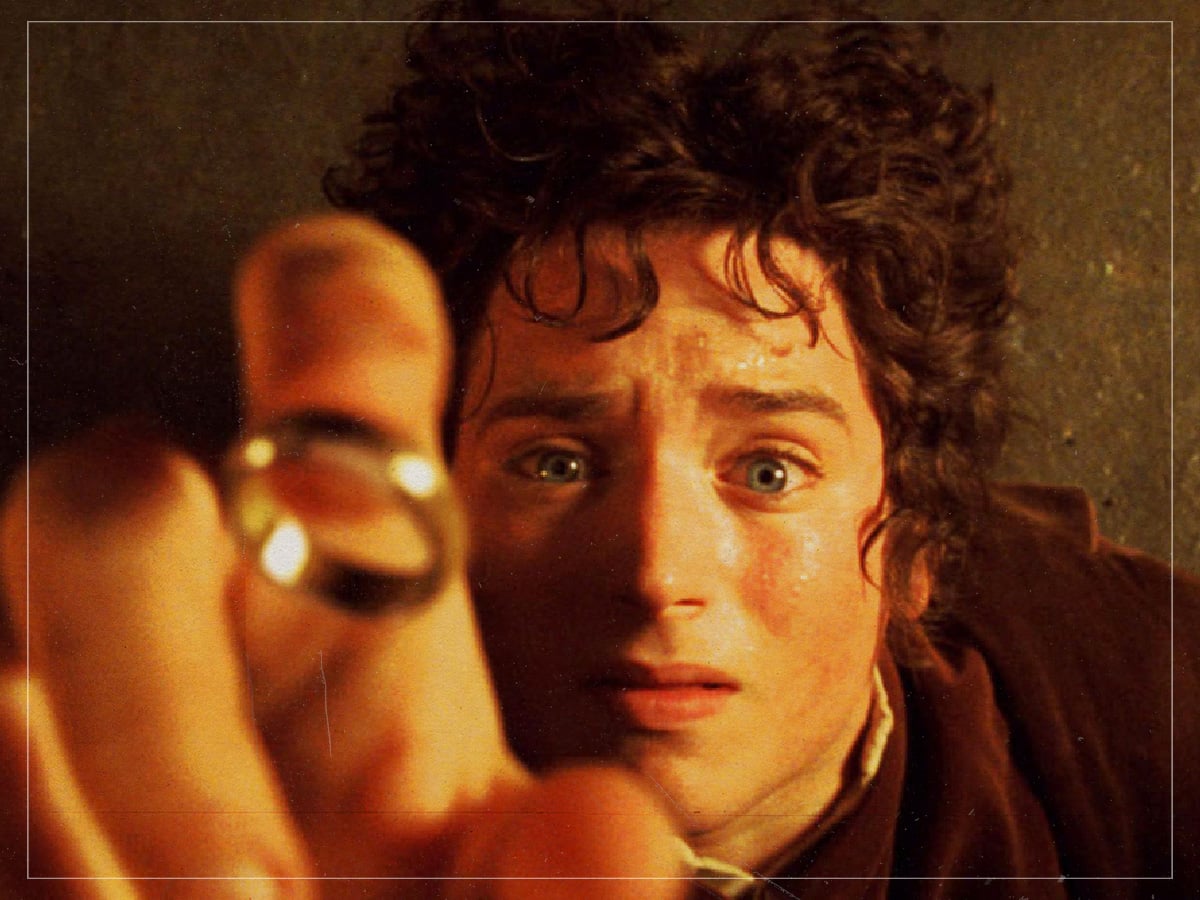
The Lord of the Rings is the most consistent and impressive trilogy in the history of cinema, but it’s the first instalment that stands as the greatest of the three. It’s soon after the brilliant set-up to the history of Middle-earth that Peter Jackson turns his fantasy epic into a true thriller that doesn’t let up the suspense, even while introducing dozens of characters and building a larger mythology.
The Fellowship of the Ring proved that fantasy could feel tangible, as the primal friendship amongst the Hobbits was as solid an emotional hook as one could ask for. By showing the frailty of mankind’s desire for power, the monster horror only Jackson could be capable of, and the sprawling scope that JRR Tolkien saw as a metaphor for World War II, the film created a timeless cinematic experience that showcased movie magic for an entire generation.
