


Inherently nostalgic: how Eva Gabor helped create a 1990s cult hit

At the dawn of the 1990s, two things were very clear: vibrant aesthetics would drive pop into its next iteration, and the lines that separated eras, genres, and messages became almost indistinguishable. It’s easy to look at the decade as an era that lost its direction, one where mainstream culture dimmed individuality and the beautiful, cherished soundscapes of the preceding decades succumbed to vacuous commercialism. With the right lens, however, might the 1990s be seen less as a symbol of declining musical standards and more as a tribute to the essence of what defines music itself?
When we talk about music losing its ability to resonate and communicate meaningful messages and themes, it’s often discussed in relation to the monetisation of music. The charts, for instance, have become an indicator of this transformation, particularly when we compare popular hits of, say, the 1960s with today’s. Looking back, it’s difficult to see chart-toppers like The Beatles and Fleetwood Mac and not feel an unrelenting pining for the way things once were.
What we tend to ignore in such conversations, however, is the way in which musical excellence continues to be drip-fed into culture at unsuspecting turns, even if it’s not immediately obvious. When Deee-Lite released ‘Groove Is in the Heart’ in 1990, it understandably hit the dance scene with a level of ferocity that’s difficult to grasp. Aside from its undeniably groovy beat and fun, catchy melody, ‘Groove Is in the Heart’ is actually an example of throwing out the rule book and repurposing various elements of pop culture for a modern audience.
In the 1990s, sampling music became a huge trend, with many musicians rehashing old flames to create fresher, more updated takes on old favourites or lost hidden gems. Deee-Lite adopted this Frankenstein-esque approach for ‘Groove Is in the Heart’, creating a song that typified 1960s psychedelia and fused it with 1970s funk and hip-hop groove that would become a sound strongly associated with the 1990s.
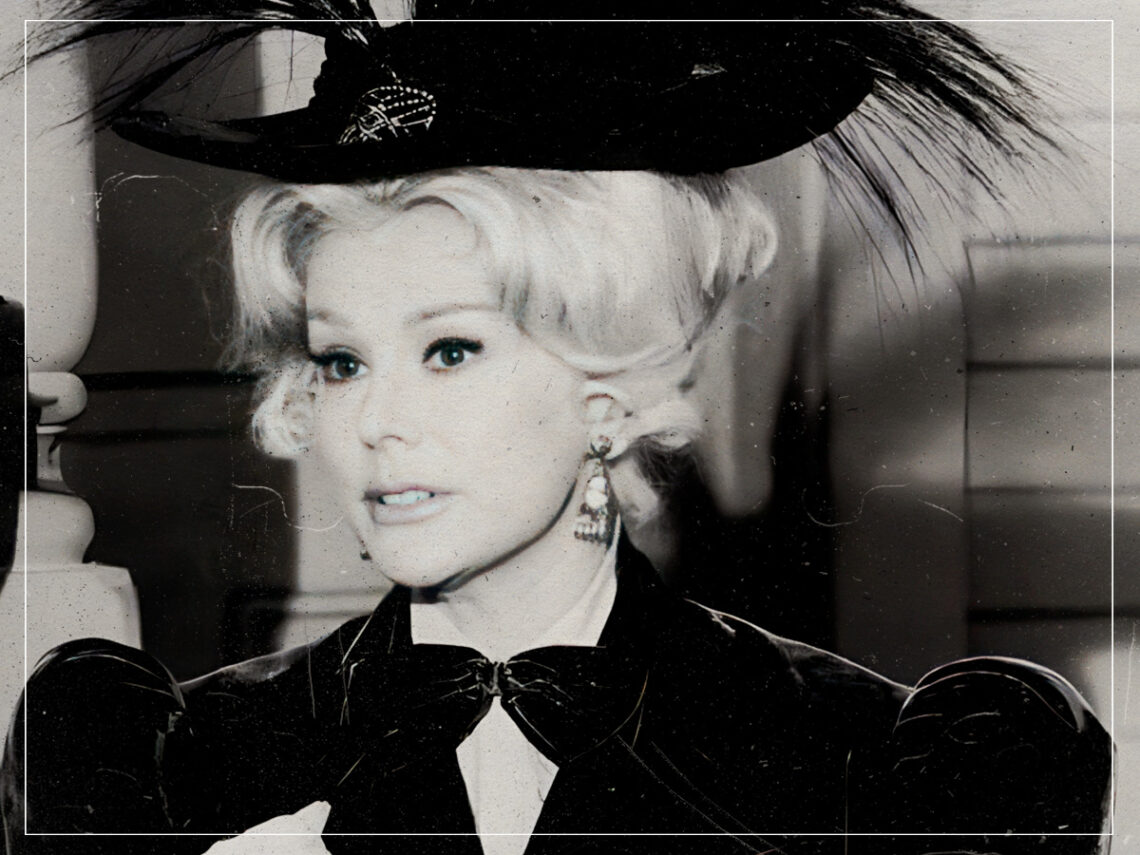
Alongside various nods to iconic music like Herbie Hancock’s ‘Bring Down the Birds’ and ‘Get Up’ by Vernon Burch, the song also makes good use of one specific line of dialogue spoken by Eva Gabor in the Green Acres theme tune. According to producer and DJ Luxxury, the one seemingly insignificant moment from the 1965 sitcom in which Gabor utters, “I get allergic smelling hay”, became a defining example of “early sampling” where the “I” at the beginning of the sentence was mixed and repeated in the Deee-Lite song to sound like: “I-I-I-I-I-I.”
In one motion, Deee-Lite managed to supercharge an entire sampling movement with a snippet of Gabor’s voice that almost goes unnoticed. However, a closer examination of the song’s various elements illuminates all of its various bits and pieces, with Gabor’s inclusion prefacing the familiar sounds of the chorus as Lady Miss Kier sings, “I couldn’t ask for another.” As a figure often connected with glamour and classical beauty, Gabor exists in the piece alongside the accompanying elements and samples as a way of strengthening the track’s light-hearted and buoyant feel.
Alongside the 1960s gestures, ‘Groove Is in the Heart’ also became reminiscent of those eras due to its inherently nostalgic feel. The costumes, hairstyles, and overall visual style paid homage to the vibrant and eclectic fashion trends of the time, while the carefree and energetic essence of the song harkened back to 1960s attitudes and the soundtracks of danceable tunes. Although a one-hit wonder, the piece proves the natural inclination towards pick ‘n’ mix musical production that was beginning to take off with more fervour in the 1990s, with many choosing fragments over wholes and creating music that had something for everybody, regardless of age, gender, or musical preferences.
