


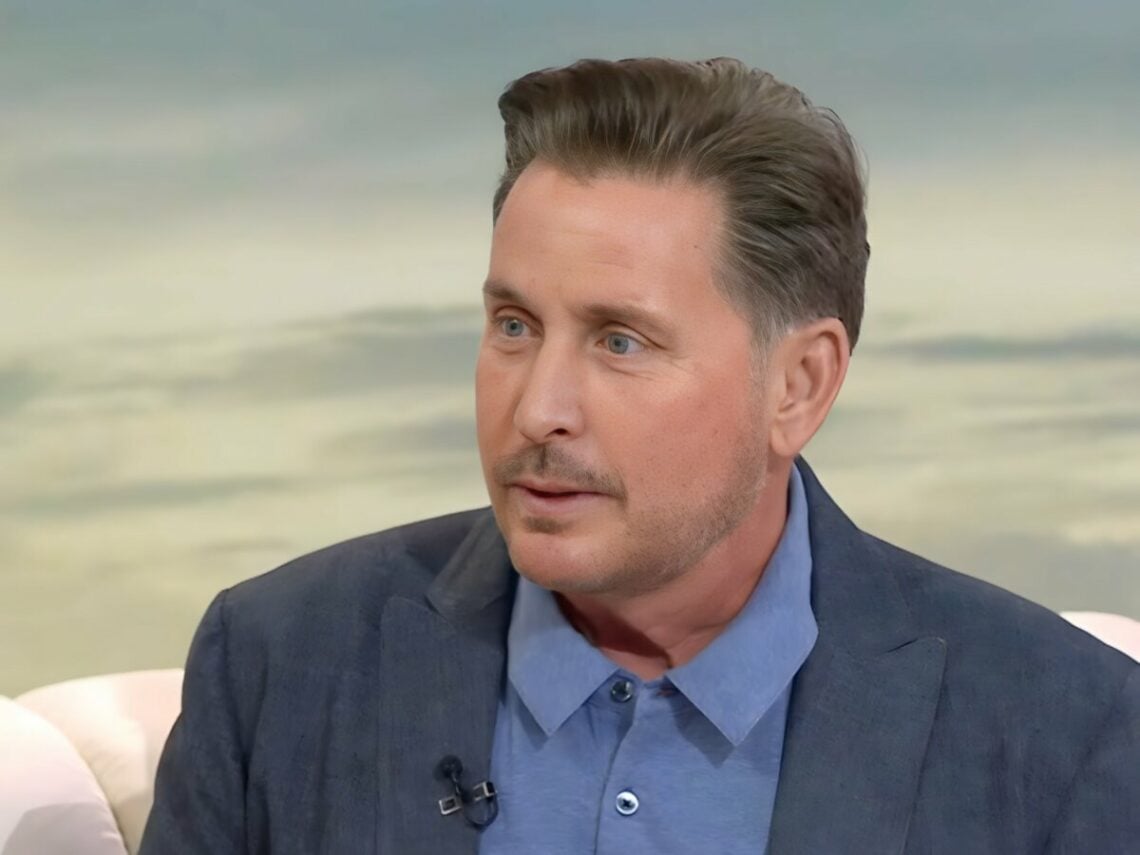
Why Emilio Estevez regrets one of his most famous roles: “It’s not a great film”

Emilio Estevez was everywhere in the 1980s and was probably the most instantly recognisable member of the Brat Pack; however, actors don’t have a choice in what they’re remembered for, and Estevez has mixed feelings on one of his most famous films.
Even if classics like American Graffiti and Rock ‘n’ Roll High School existed in the decade prior, the 1980s saw a rise in films about young people that were aimed at teenage audiences. This generation was lead by a group of exciting young stars dubbed the Brat Pack, who starred in a variety of coming-of-age films, and although there was never a formal list of members, Emilio Estevez was never absent from news stories about the activities of the Brat Pack.
It was a small role in Francis Ford Coppola’s The Outsiders that first brought him to the silver screen, but his unforgettable performance as Andrew Clark in The Breakfast Club cemented his Pack status. Although his co-star Molly Ringwald found the film “troubling”, Estevez was given the difficult task of bringing to life the film’s muscle-bound jock as a quiet, shy loner who’s exhausted by his parents’ expectations.
It was only one year later that he reunited with his The Breakfast Club co-stars Ally Sheedy and Judd Nelson for the drama St Elmo’s Fire, which focused on a group of Georgetown University graduates adjusting to their post-university lives. It was a must-see event for anyone as Rob Lowe, Anthony McCarthy, Mare Winningham, and Demi Moore got to share scenes together for the first time.
The antithesis to The Breakfast Club, St Elmo’s Fire was a far darker, more cynical drama about the crushing responsibilities of adulthood, and Estevez was cast as the troubled law student Kirby Keagar, as opposed to the loveably bullish Andrew. Being obnoxious and privileged is one thing, but Kirby goes down a shadowy path when he tracks down and aggressively kisses his love interest Dale Biberman’s Andie MacDowell in a controversial moment.
“If they were to remake that movie now, they would never include that character,” he told The Guardian, “I know people hold it as a fond memory, but it’s not a great film”. Any ’80s film can be defended as being a ‘product of its time’, but Estevez couldn’t be counted as a St Elmo’s Fire defender, going so far as to even call the film “overdramatic”.
Critics may have been disgusted by the film’s gross ethics, but it was every bit as successful as any of the other Brat Pack-star vehicles. This may have been a result of its now iconic soundtrack, but Estevez didn’t get any blowback at the time, with the film seen as a home run, especially for director Joel Schumacher, whose eclectic later works included The Lost Boys to superhero sequels Batman Forever and Batman & Robin.
It may not be a coincidence that Estevez’s involvement with that generational group declined in the aftermath, with calling the shots becoming a more exciting prospect for him, as he took up the reins as a director in 1986 for the romantic drama Wisdom. It managed to reunite him with Moore, whose got to prove she could do the type of intimate, emotional acting that she was denied in St Elmo’s Fire.
St Elmo’s Fire wasn’t anyone’s finest moment, but Estevez has impressively managed to avoid letting it define his career, proving to be a more-than-capable director with films like the buddy comedy Men at Work, the military drama The War at Home, and the award-winning historical thriller Bobby.
