


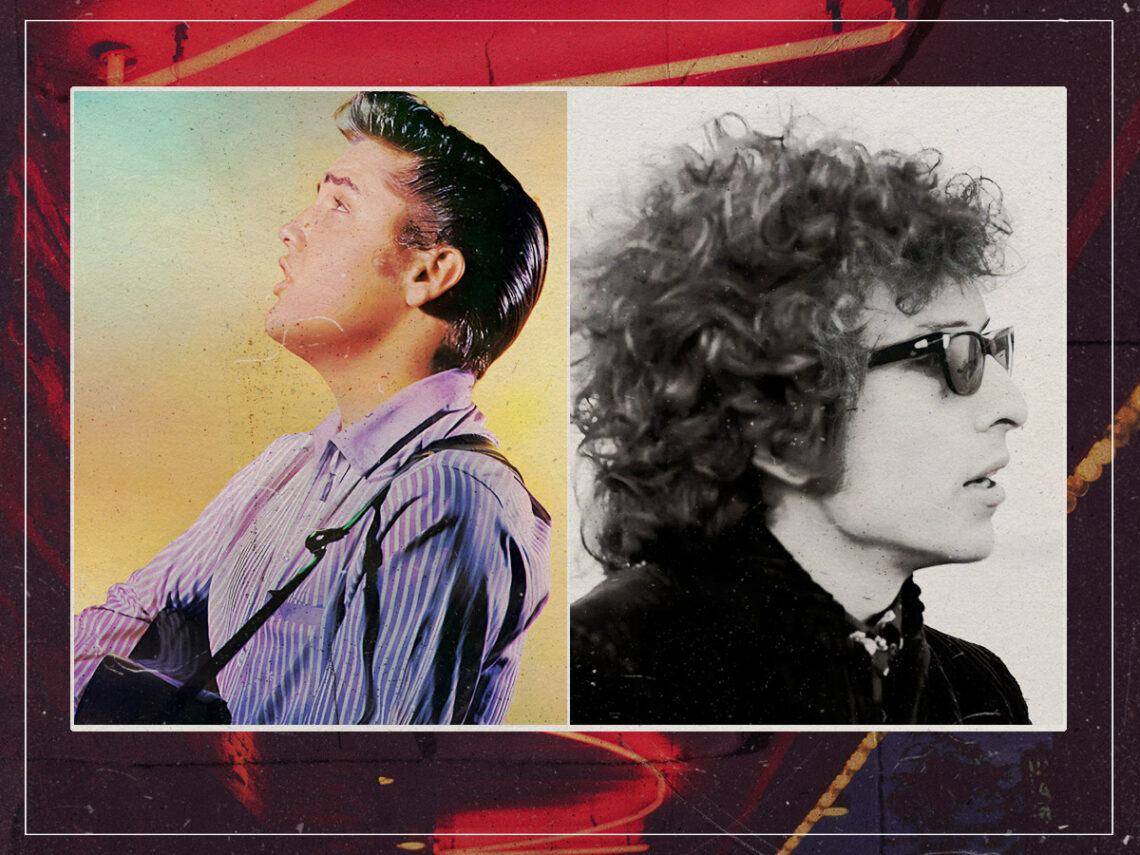
The Elvis Presley song Bob Dylan called “sacred”

The Beatles always said they were glad they had each other amidst the mania, an idea affirmed by what had taken place a decade before, when Elvis Presley burst onto the scene with wobbly knees and catchy blues riffs. With the weight of his own shoulders, he carried the hopes, dreams, and fantasies of an entire world, quickly building an appetite for an edgier brand of pop culture.
Before he was whisked away to serve two years in the American army, Elvis was laying the foundations for a new brand of blues rock that would platform everything that came in the next half of the century. It was a flash in the pan rise to fame, cut short by his time in the military and somewhat ruined by the commercial plans of his infamous manager, Colonel Tom Parker.
It meant that, come the 1960s, his electrifying fame was matched by Beatlemania, and the subsequent pockets of creative opportunity were filled by burgeoning icons like Bob Dylan. And while the British band and American songwriter carried on Elvis’ torch and became the world’s most prolific and innovative artists, Elvis’ influence on them was indelible.
He essentially built a landscape where more vibrant styles of songwriting could become popular. Elvis smashed down the conservative white-picket fences of post-war America and paved the way for future artists to build colourful murals of sonic creativity in their place, thus shaping the future of 21st-century counterculture.
‘Blue Suede Shoes’ was a track that typified a new brand of adolescent eccentricity. It was sonically raucous and lyrically confident, celebrating an idea of aesthetic pride that would be the very essence Elvis’ brand. Bob Dylan would have been 15 at the time of its release, and while he was on the scruffier end of the spectrum, he was still part of a disenfranchised youth who identified with the juxtaposed feeling of pride and ferocity in the song.
Vehemently agreeing with the sentiment of the track, Dylan said, “Your shoes are your pride and joy, sacred and dear, your reason for living, and anyone who scrapes or bruises them is putting himself into jeopardy, accidentally or out of ignorance, it doesn’t matter. It’s the one thing in life you won’t forgive.”
“If you don’t believe me, step on them by all means—you won’t like what happens,” he challenged. “You get on well with most people, and you put up with a lot, and you hardly get caught off guard, but your shoes are something else.”
It was a surprising level of aesthetic honour for a ragtag icon who hitchhiked his way across America’s Midwest to live a squalid lifestyle in New York’s downtown suburbs. But perhaps it spoke to his wider dismay of societal behaviour or an observation of the way in which society was moving that he so famously turned his nose up at.
He continued, “Minor things may annoy you, but you rise above them,” adding, “Having your teeth kicked in, being pounded senseless, being dumped on and discredited, but you don’t put any weight on that, none of it’s as real to you as your shoes. They’re priceless and beyond monetary worth.”
By the time 1965 came, and Dylan was ready to go electric, he would pound the streets of Greenwich Village in a pair of slick Chelsea boots. A brave step in a city designed to tread on toes for a man who would rather be pounded senseless than have his shoes stepped on. Maybe he did, and maybe it’s some unknown wanderer who we ought to thank for the simmering frustration behind some of Dylan’s greatest hits.

Never Miss A Tale
The Far Out Bob Dylan Newsletter
All the latest stories about Bob Dylan from the independent voice of culture.
Straight to your inbox.