


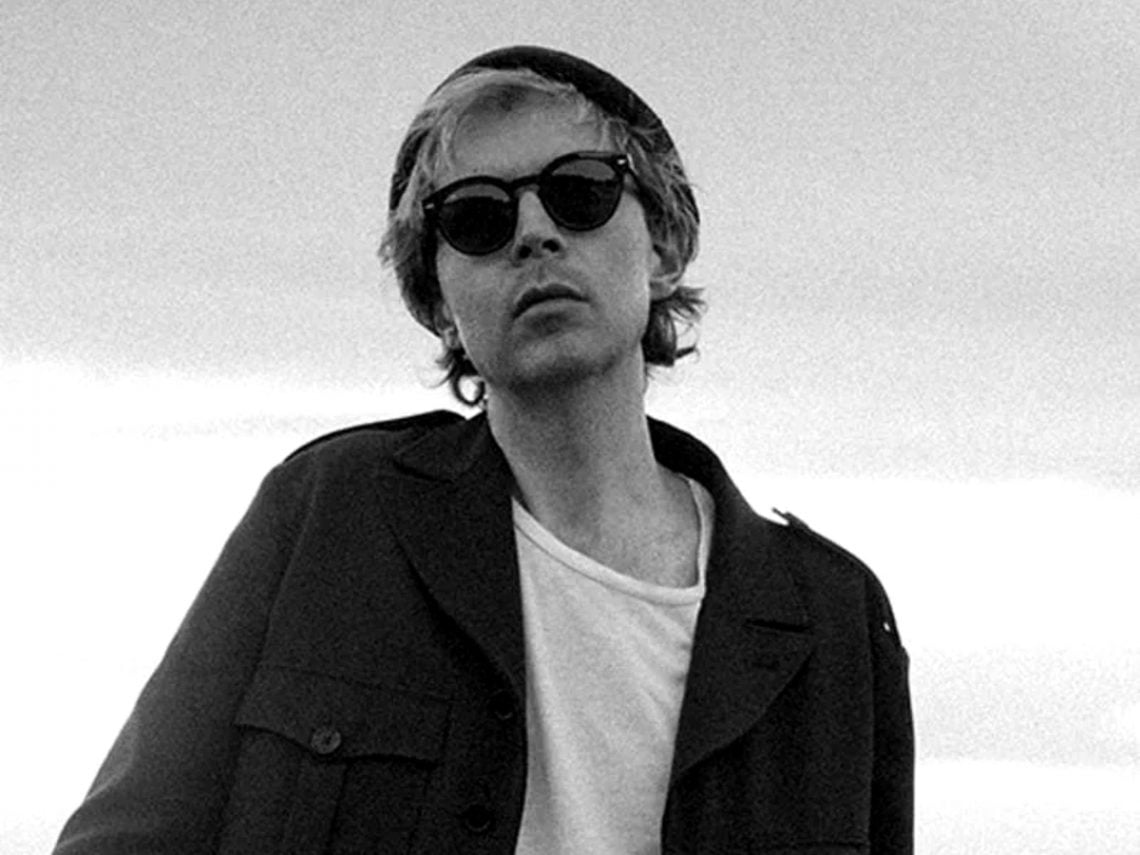
How Elvis Presley influenced a Beck masterpiece

Beck has enjoyed an unusual career. After breaking through in the early 1990s as one of the leading lights of lo-fi, he then embarked on a creative odyssey that’s seen him touch on a range of genres, including psychedelia, vaporwave, and, most strangely of all, trap. Since the early days, Beck has continued to deliver exciting and surprising bodies of work. This has kept him relevant as complacency is alien to the man who popularised the line, “Soy un perdedor”.
One of Beck’s most celebrated recent records arrived in the shape of 2014’s Morning Phase. The pinnacle of the folk-rock that the Californian has proved himself to be adept at creating, he labelled the material as “California music” during an interview with Rolling Stone around the time of release. Beck also connected the record to the heady sounds of the Golden State. He said: “The songs are coming out of a California tradition. I’m hearing the Byrds, Crosby Stills and Nash, Gram Parsons, Neil Young – the bigger idea of what that sound is to me.”
The album includes favourites such as ‘Waking Light’ and ‘Say Goodbye’; however, the lead single, ‘Blue Moon’, is the undisputed highlight. An uplifting piece of folk rock that channels the spirit of the Stevie Nicks era of Fleetwood Mac, the song makes a mark on the listener immediately. Instantly, the warmth of Beck’s vocal melody ripples down the spine, aided by some well-placed ethereal production.
Famously, Beck’s song was not the first to be called ‘Blue Moon’. That was the old American standard by Rodgers-Hart, written for the 1934 film Manhattan Melodrama. The song was then covered by the likes of Elvis Presley, Louis Armstrong, The Marcels, and many notable others.
Beck specifically appropriated the song name but didn’t include the title in the lyrics. His decision to draw on the original ‘Blue Moon’ was directly inspired by Elvis Presley, an artist most fans wouldn’t necessarily connect to Beck. This came after Beck read Peter Guralnick’s two-volume Elvis biography Last Train to Memphis and Careless Love. Speaking to NPR’s All Songs Considered, Beck explained: “I’d had it on my shelf for like 15 years, and I finally read it about a couple years ago. I feel like every musician, when they’re starting out, should just read that book.”
Although he doesn’t mention the title in his song, he added that the line, “The lies you tried to hide behind your eyes”, was influenced by the original. Beck feels this embodies the purity of Elvis’ early days. “When you read the book, you really get a sense of who he was at the beginning and then at the end,” he continued. “You see him go through the entire cycle of, for lack of a better term, show business until he’s at the end in Vegas, ensconced in this hotel room, kind of remote and separated from the world and life. But when he’s younger, he’s just so accessible. He lived with his parents and, after dinner, would go and sit with his fans, who’d all be waiting outside — they were allowed to wait. I don’t know; that’s what I was thinking about with it.”
