


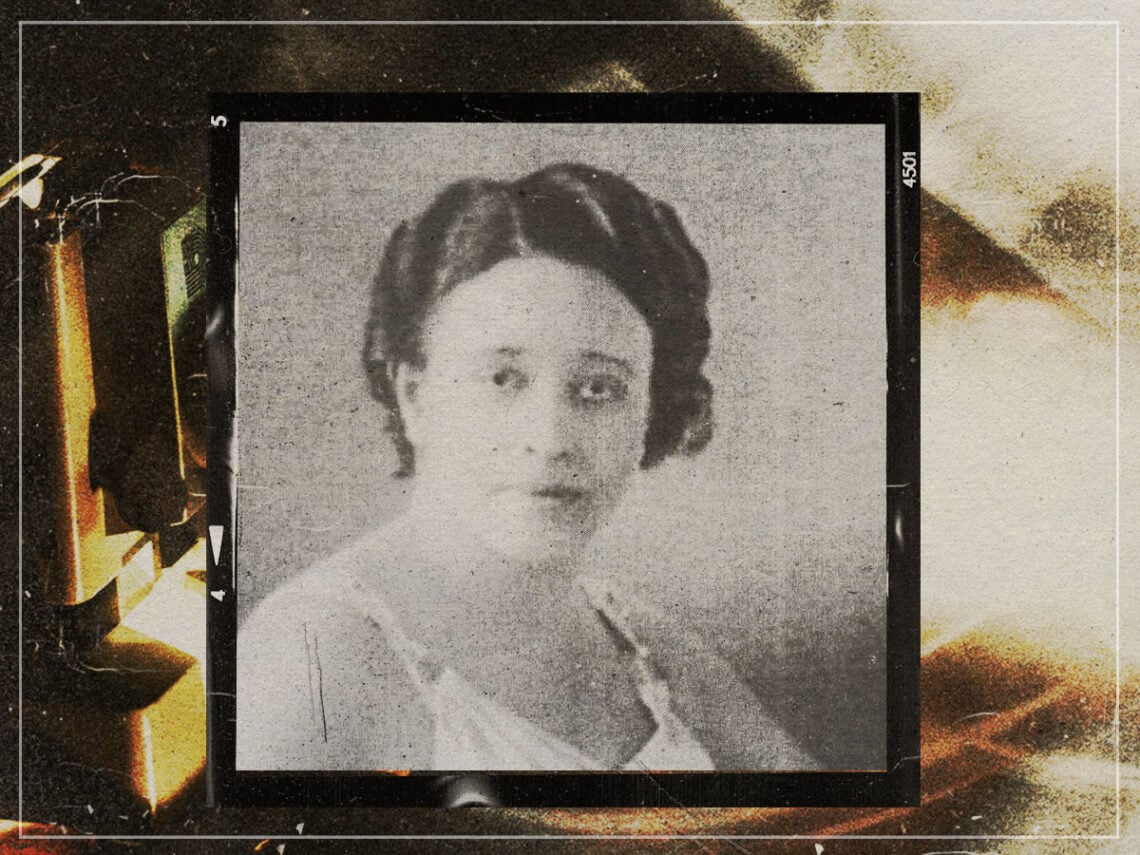
Eloyce Patrick King Gist: one of cinema’s first black female filmmakers

The version of film history we are so often taught is unequivocally white and male, which fails to consider many of the contributions pioneered by filmmakers from marginalised groups. For example, the first narrative film was made by a woman – Alice Guy-Blaché – who also developed many innovative cinematic techniques, such as special effects, that drastically shaped the medium.
However, the history of black filmmaking is even less spotlighted, and to this day, there continues to be a substantial racial disparity within the industry. Despite the fact the first Academy Awards ceremony took place in 1929, there have been zero black filmmakers awarded ‘Best Director’, and of the six nominees, all were men.
Black female filmmakers are vital to the industry, yet Hollywood’s deep-rooted misogyny and racism make it difficult for anyone other than white men to find success. It’s essential that we shed light on the filmmakers who have never been given adequate credit despite their considerable contributions to cinema. One such figure that has never been significantly acknowledged is Eloyce King Patrick Gist, one of the first black female directors.
Born in 1892, Gist set up the Patrick School of Beauty Culture and Personal Improvements before she turned her attention towards filmmaking. She created two movies, 1930’s Hell Bound Train and 1933’s Verdict Not Guilty, which were made in collaboration with her husband, James Gist.
The pair’s work proved immensely popular due to the overtly religious themes that defined their films. While her husband was a devout Christian, Gist practised Baháʼí Faith, which stresses the importance of respecting all religions equally. Thus, the pair’s dedication to religion led them to use film as a medium to convey their beliefs and spread a Christian message.
The husband and wife duo worked together to create their films, which starred all African-American cast members. Shooting on 16mm film, the Gists used religious and folklore imagery to convey their messages, exploring morality and salvation through depictions of the Devil and sin. While the movies were by no means high quality, they were revolutionary in their aim of specifically addressing black audiences.
Hell Bound Train and Verdict Not Guilty were often screened by members of the NAACP or in churches, a testament to the powerful social commentary found in these films. Gist was an early adopter of using film with the aim of guiding and teaching the audience. Unfortunately, Gist never made any more films and passed away in 1974, yet her small catalogue of work demands to be acknowledged and respected.
