


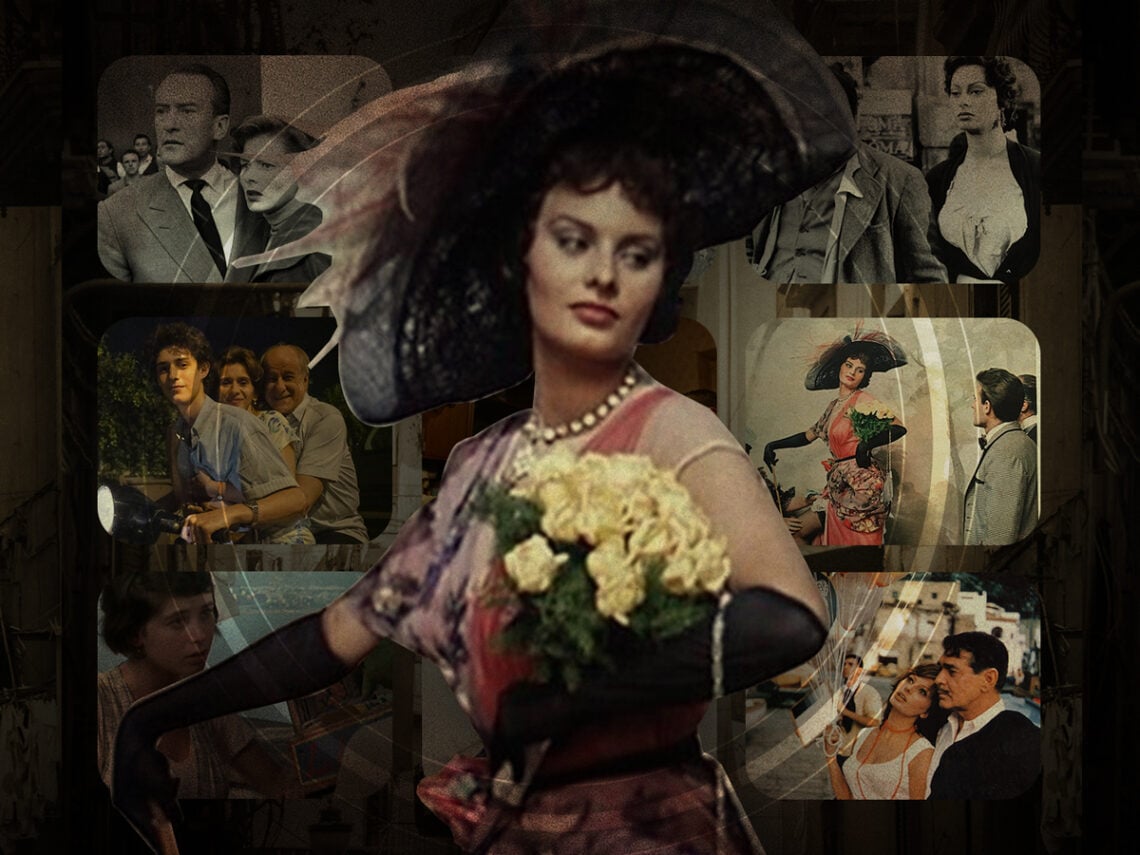
The 8 most beautiful films set in Naples

Halfway through Paolo Sorrentino’s Parthenope, an ageing Sophia Loren-esque Neapolitan actor delivers a public diatribe against the people of a city she grew up in, which is now full of “lowlifes” who blame others for their problems.
It’s a stark contrast to the mythical allure associated with Sorrentino’s deeply male-lensed one-dimensional creation of Parthenope herself, the beautiful daughter of a rich family, who is born in the Neapolitan sea and lives out her sumptuous youth through heady summers and endless nights in the city below her.
Parthenope’s decadent contrast displaying the beauty and the grit of Naples aligns with a vision of the city represented by countless directors who have often romanticised its charm, chaos, and almost mythical allure.
But the city is perhaps best depicted by the directors of the Italian neorealist movement as one grappling with class struggle and social injustice, but coursing with soul and character. Here are eight of our favourite cinematic depictions of Naples.
The 8 best cinematic portraits of Naples:
‘The Gold of Naples’ (Vittorio De Sica, 1954)
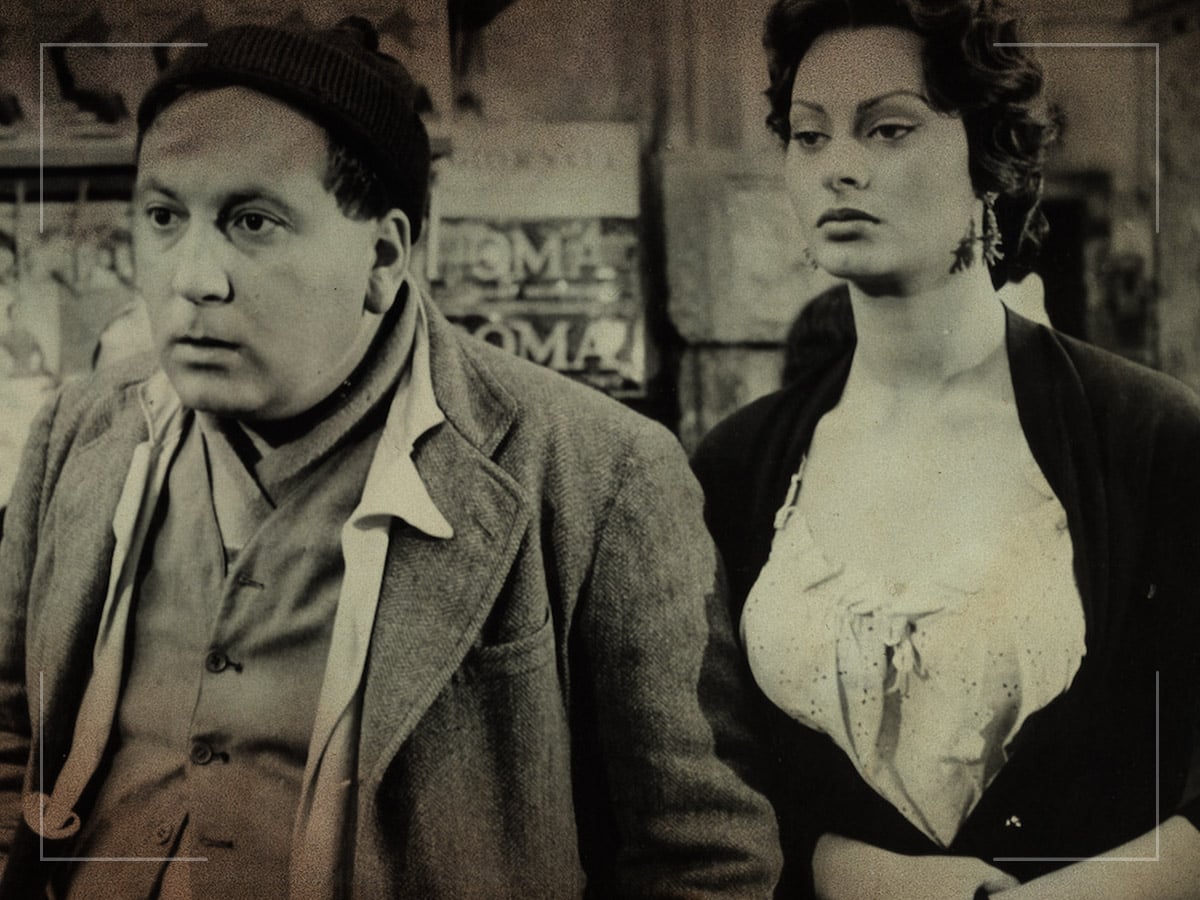
In this collection of six stories based in Naples, we meet a cast of the city’s characters through a series of vignettes, including a clown exploited by a gangster, a prostitute’s unusual wedding, a child’s funeral, a gambler beaten by a kid, a “wisdom seller” offering advice, and a pizza seller losing her husband’s ring, played by Sophia Loren.
The actor born in Naples remains the city’s jewel, represented by hundreds of murals painted across the city and her pin-up style emblazoned on tacky lighters and mugs in tourist shops, which makes her the perfect embodiment of her hometown’s quirks. The film captures these characters from various walks of life, offering a colourful yet introspective perspective of the city and its many layers.
Vittorio De Sica was a legend of Italian cinema, winning four Oscars in his career and leading the Italian neorealist movement, which sought to show the contemporary daily life and struggles of Italians in the post-war period. In 2008, the film was included in the Italian Ministry of Cultural Heritage’s ‘100 Italian films to be saved’ for having “changed the collective memory of the country between 1942 and 1978”.
‘Journey to Italy’ (Roberto Rossellini, 1954)
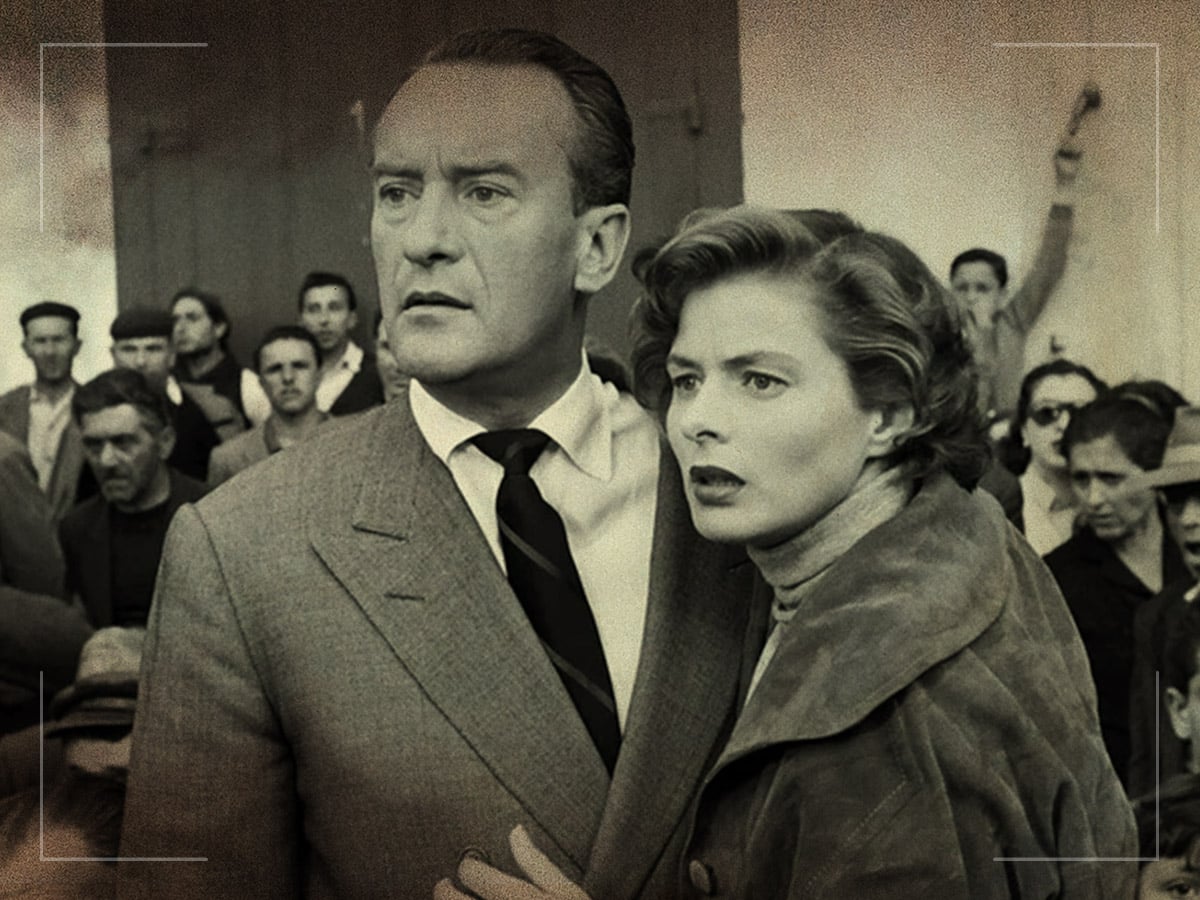
Another masterpiece of the neorealist movement and modernist cinema, Journey to Italy is the third part of an informal trilogy of Italian movies starring actor and Roberto Rossellini’s wife, Ingrid Bergman. It follows an English couple visiting Naples to sell off an inherited villa, as their marriage reaches the point of collapse.
As a secondary founding father of the neorealist movement, Rossellini stuck to its more traditional creative aspects, exploring contemporary history and social concerns through the lens of private intimate spaces.
‘Le mani sulla città’/’Hands over the City’ (Francesco Rosi, 1963)
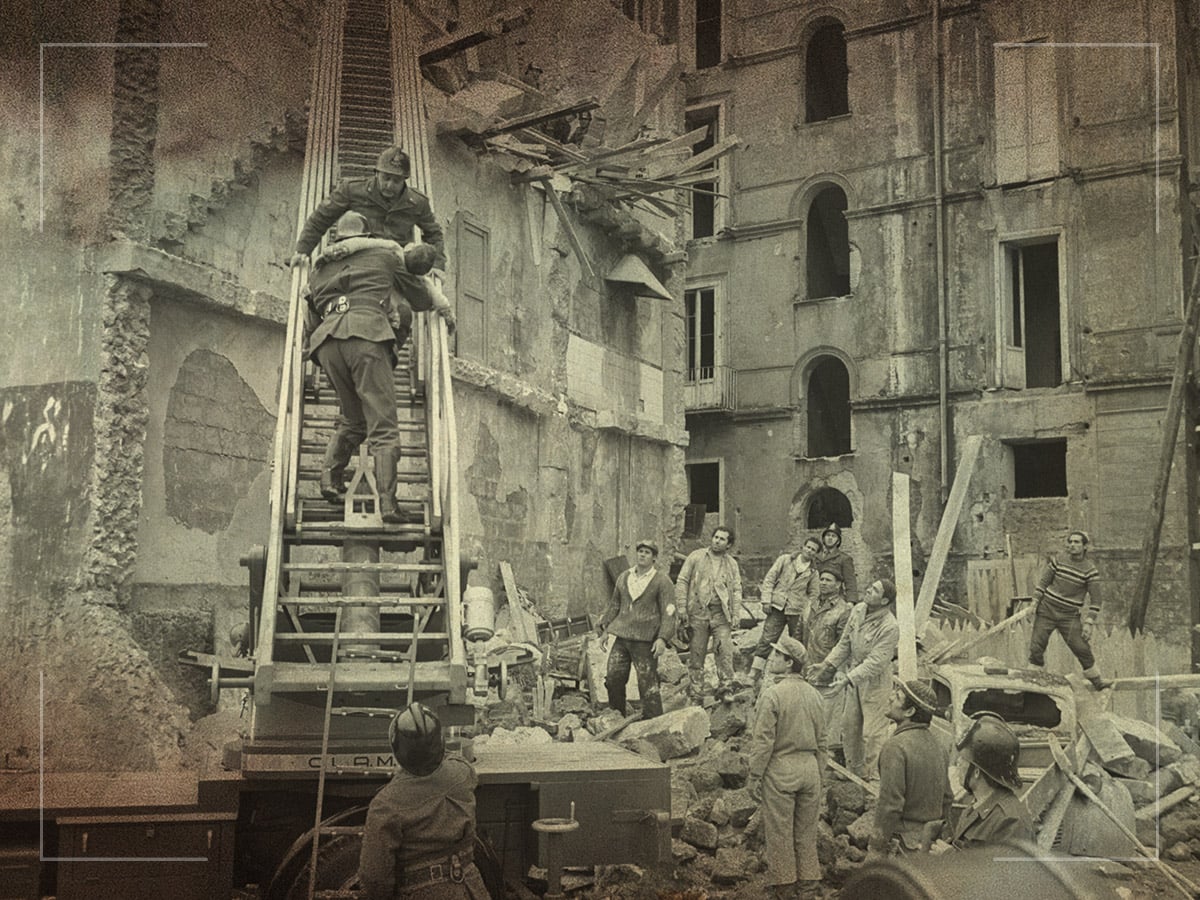
In this story of political corruption in post-World War II Naples, a ruthless Neapolitan land developer is elected city councilman and uses political power to generate personal profit from a real estate deal. It all comes to a head when, one day, the residential building collapses, the manager of which is his son. The tragic incident results in the communist councilman De Vita initiating an inquiry into Nottola’s connection to the accident.
Francesco Rosi takes the neorealist movement and jazzes it up with creative black and white shots and camera angles, offering a sobering reflection of the political corruption still rife in post-Mussolini Naples and Italy, more generally. Hands over the City was also included in the Italian Ministry of Cultural Heritage’s 2008 ‘100 Italian films to be saved’.
‘It Started in Naples’ (Melville Shavelson, 1960)
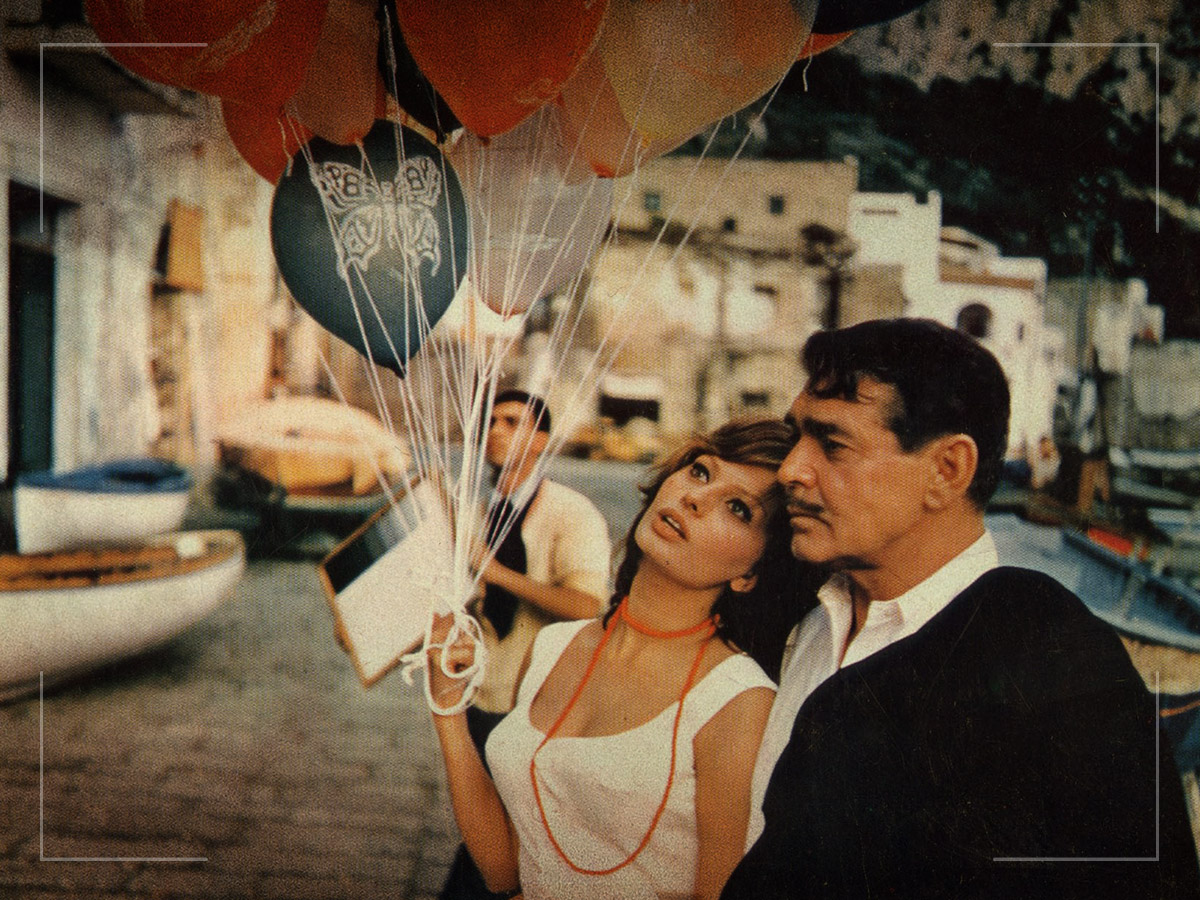
This American romantic comedy, directed by Melville Shavelson, stars Clark Gable as an American lawyer who travels to Naples to settle the estate of his late brother, only to find that he has an Italian nephew, who also happens to be the nephew of an Italian stripper, played by Sophia Loren. Thus begins a legal battle between Gable and Loren, whose chemistry lights up the screen in this classic love story with a comedic twist and the addition of Vittorio De Sica as the Italian lawyer.
The film places the characters in an idyllic setting in the Bay of Naples and lets the sensuousness of the locale do the talking and help build the budding romance between Gable and Loren. There are scenes where Italian is said in passing that is left untranslated to truly offer a tourist’s perspective for the viewer, akin to Gable’s experience of the place, versus Loren’s, who is of it and understands the language being spoken.
‘È stata la mano di Dio’/’The Hand of God’ (Paolo Sorrentino, 2021)
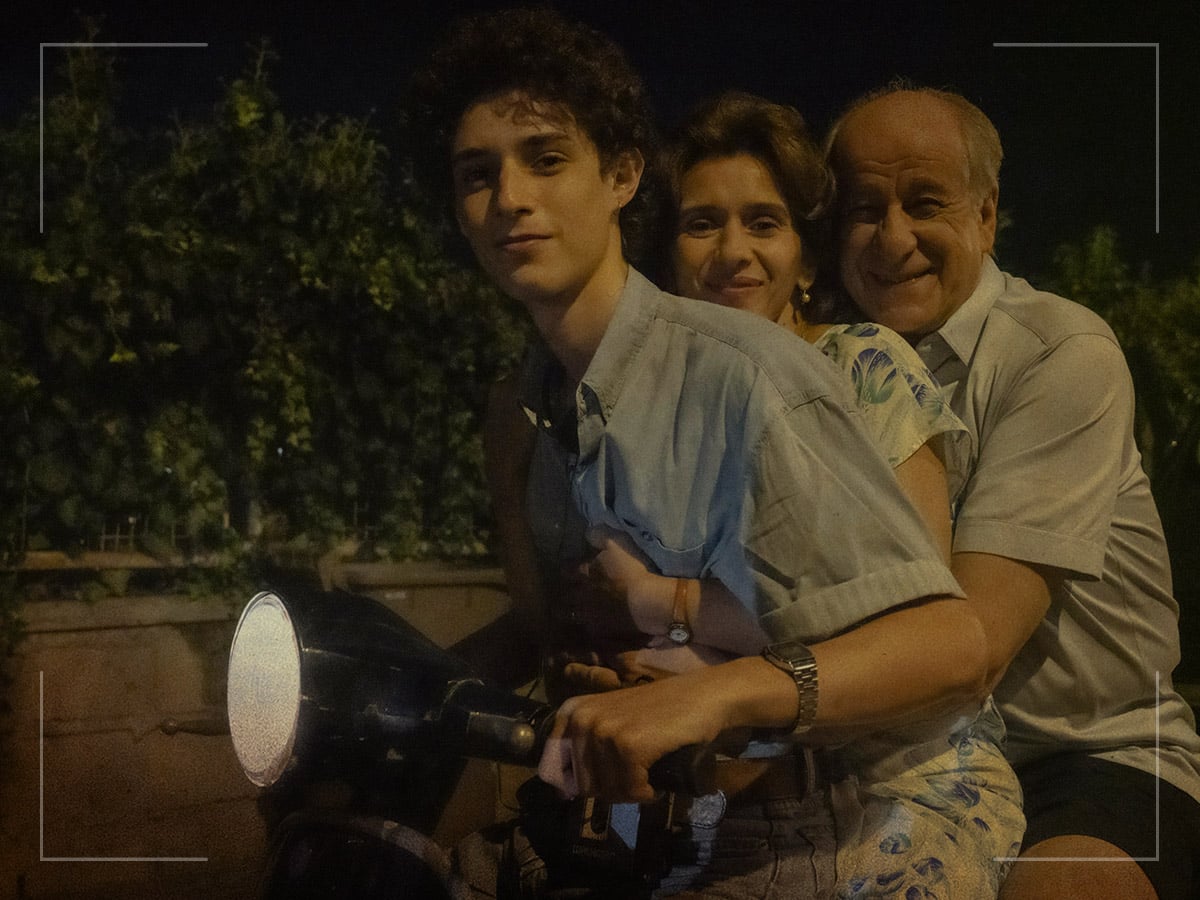
Paolo Sorrentino’s semi-autobiographical coming-of-age story is set in Naples in the 1980s, where footballing legend Diego Maradona has just been signed to SSC Napoli. In a twist of fate, Maradona’s own ‘Hand of God’ saves 16-year-old Fabietto’s life, but takes those closest to him.
Despite heaps of Sorrentino’s classic style, the film’s premise is bursting with life and energy, and one is easily transported back to one of the most affecting moments in football history and time in the history of Naples, far from its modern iteration. It’s also deeply revealing of the director’s upbringing in the city’s districts, creating a narrative hook that is often lacking from his lavishly aesthetic films, but here it gives the film depth and weight.
‘Gomorra’/’Gomorrah’ (Matteo Garrone, 2008)
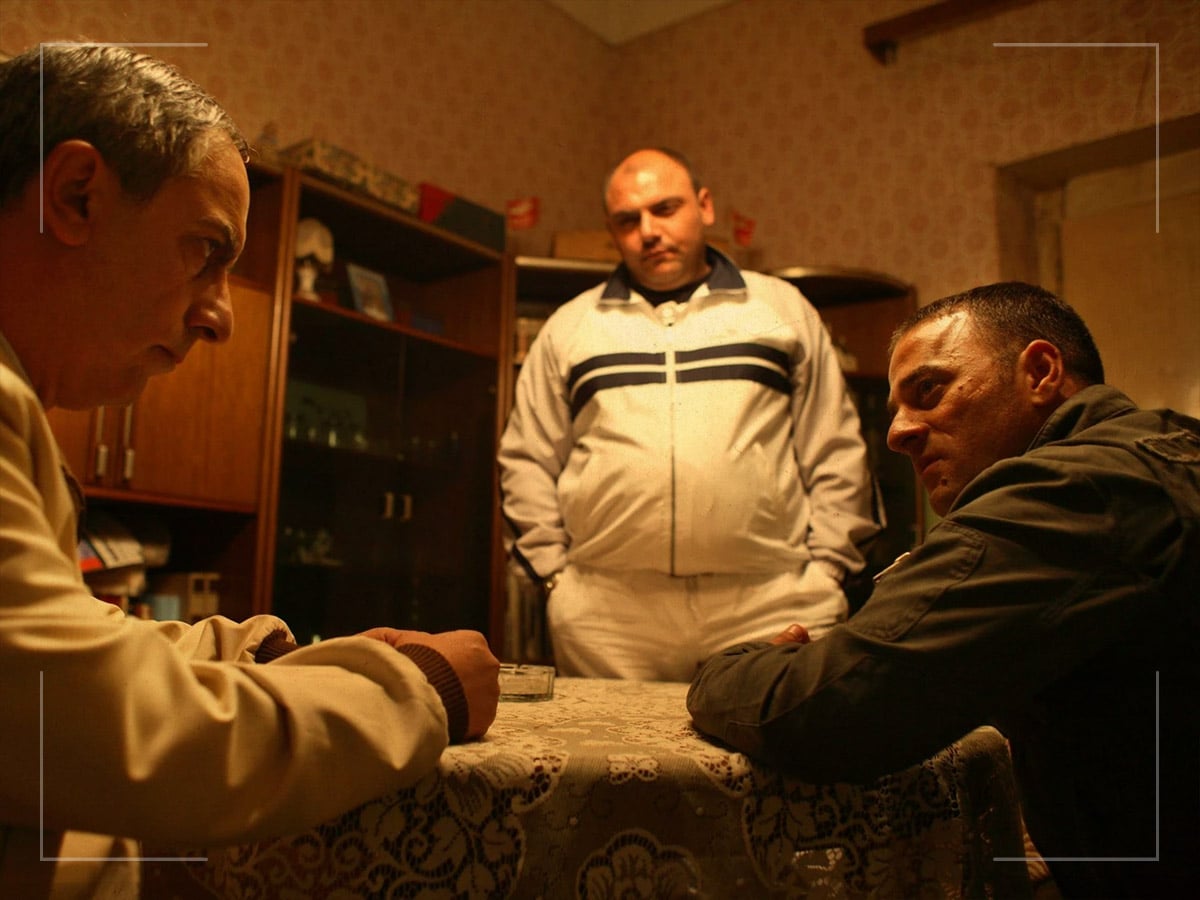
While Naples has often been romanticised for its beautiful cobbled streets, rich history and thousands of shrines to Diego Maradona, there’s another side of the city. Further out in the suburbs lies Le Vele di Scampia housing estate, a once sparkling new housing complex designed as a socialist project. But 30 years after it was originally built, the building is more or less abandoned, after it was taken over by gangs, with poverty and organised crime a daily feature of the slum-like estate.
The area was best memorialised in Matteo Garrone’s Gomorrah, an Italian crime drama depicting the Casalesi clan, a crime syndicate within a real Italian Mafia organisation called Camorra and operating from Scampia. The film intertwines five separate stories of people whose lives are touched by organised crime against the backdrop of an ongoing gang feud. It’s gritty and unflinchingly honest in its portrayal of gang violence, but has since become a dirty word for the residents of Scampia, whose homes became the subject of fascination, only compounded after a 2014 series adaptation of the same name.
‘Carosello napoletano’/’Neapolitan Carousel’ (Ettore Giannini, 1954)
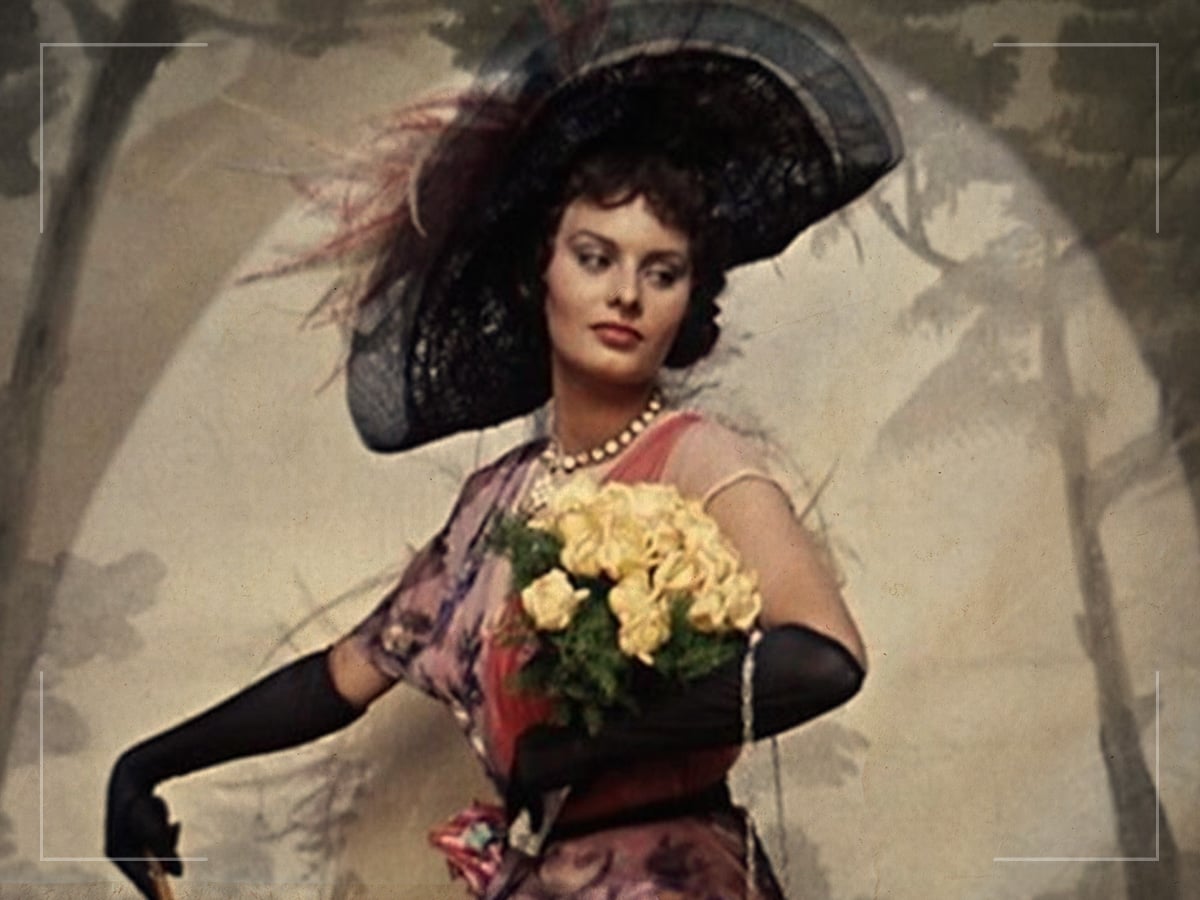
On a lighter note, this jubilant musical comedy celebrating Neapolitan culture bursts with energy and vibrancy. It follows a travelling family of street musicians who perform in Italy, taking the audience on a journey through the culture and history of Italy, and, you guessed it, was also included in the Italian Ministry of Cultural Heritage’s ‘100 Italian films to be saved’.
Neapolitan Carousel is a love letter to Naples, and a wacky, chaotic ride of a movie, where our Neapolitan heroine Sophie Loren once again features as cabaret singer Sisina in one of her earliest roles.
‘Pasqualino Settebellezze’/’Seven Beauties’ (Lina Wertmüller, 1975)
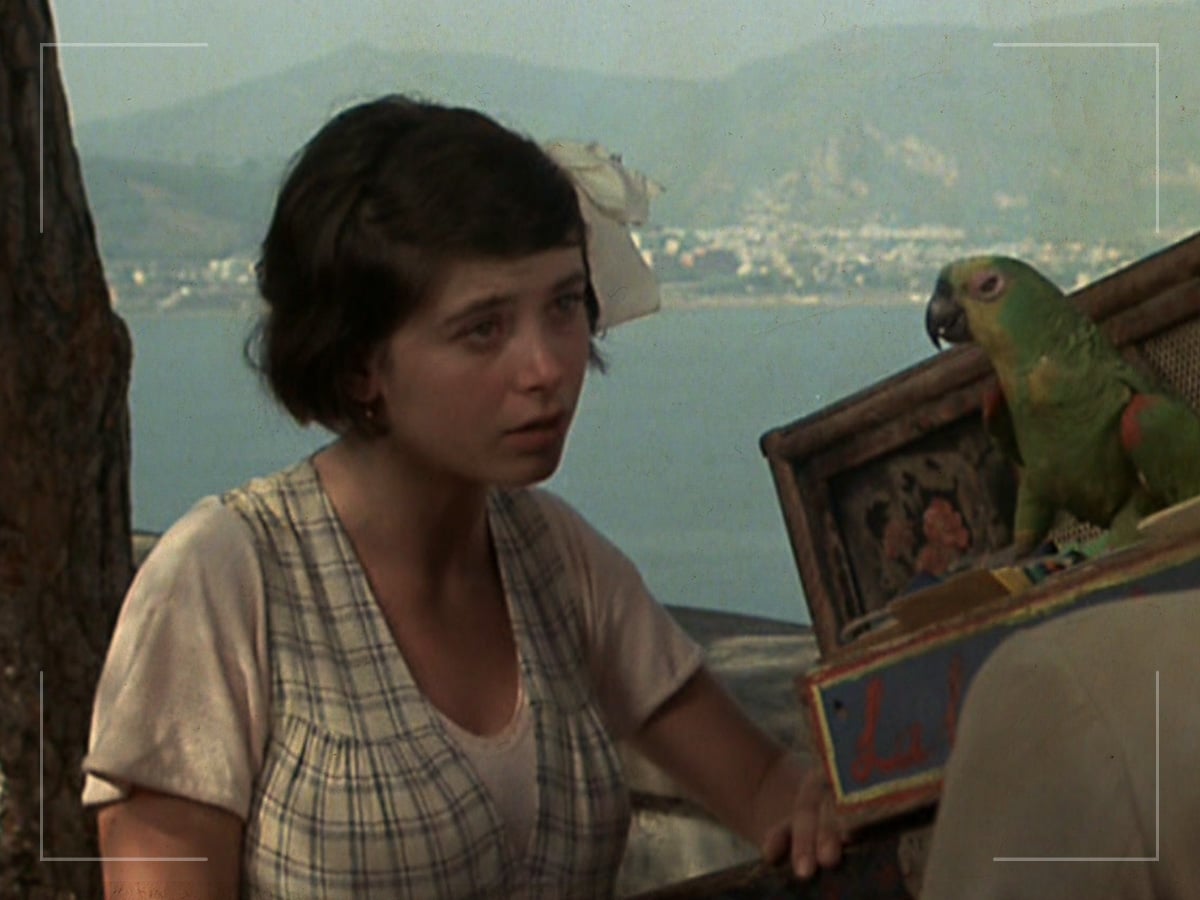
One of the defining Italian filmmakers of her time, Lina Wermüller’s penchant for dark subversive comedy as an exploration of post-war Italy made her a radical artist and creative life force. Her most famous work, Seven Beauties, or Pasqualino Settebellezze, follows Pasqualino, a small-time crook living in Naples during the fascist era, as he navigates a series of increasingly desperate situations.
The story is told through flashbacks, where we learn about his seven unattractive sisters, his accidental murder of one sister’s lover, his imprisonment in an insane asylum, and his volunteering to be a soldier in the Italian army to escape his confinement. Originally seen as controversial in its depiction of the Nazi concentration camps, the film has become a renowned work of dark comedy and made Wermüller the first woman to be nominated for an Academy Award for ‘Best Director’.
