


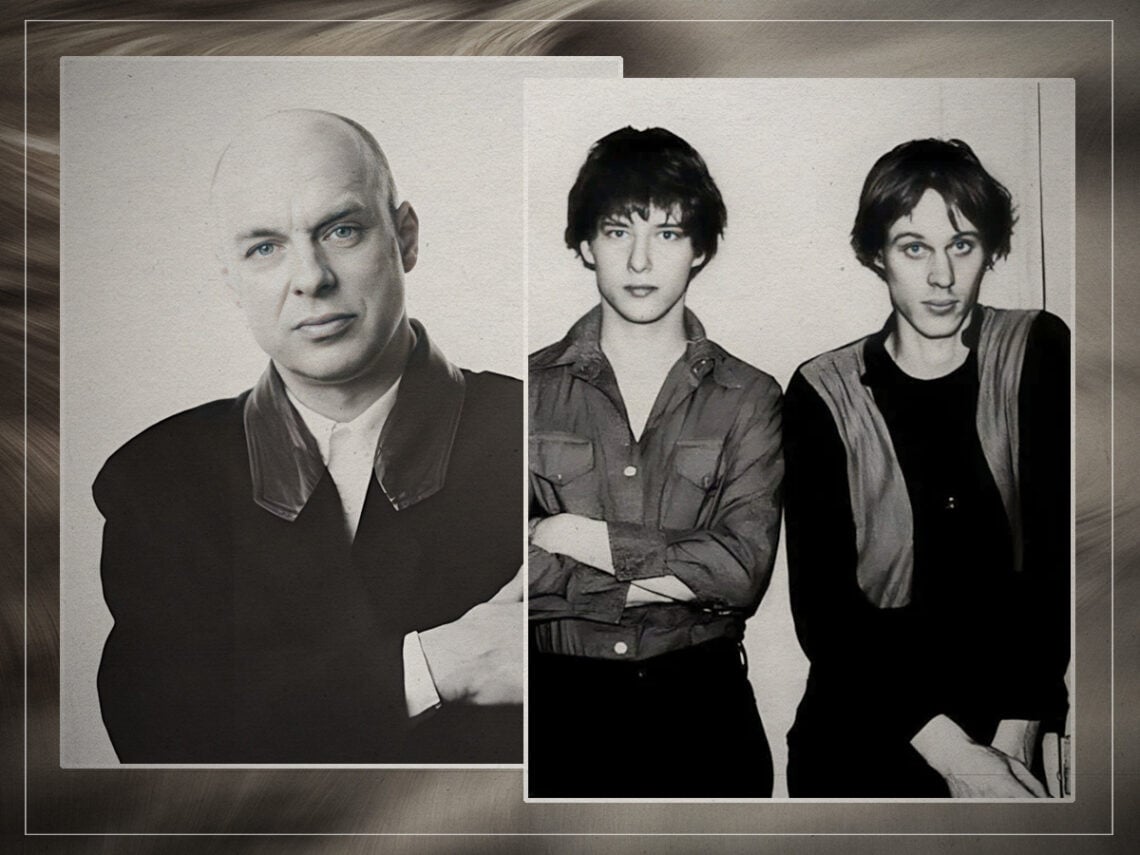
Egos and an impossible future: The failed sessions between Brian Eno and Television

When the partnership between an artist and their producer works, it can be world-changing. Even if the artist is already established, the insight and ideas a new collaborator can bring to the table can totally change the course of their career, imploring them to explore spaces they might not have before or encouraging them to give their sound a new polish they level it all up. But when it doesn’t work, it can be bad, as a misaligned creative vision can be the cause of real resentment. So, while the idea of New York punk legends Television and the iconic producer Brian Eno being in a studio together sounds like a dream, it was actually a nightmare.
The right producer can change everything. It was George Martin who helped The Beatles level up and up with each album. Steve Albini helped Nirvana and PJ Harvey find the bite in their sound. Quincy Jones made history as he helped Michael Jackson find his sound on Thriller. Whether it’s a new act starting out or an established name looking for redirection, the importance of a producer who not only understands but is bold enough to push for the best cannot be understated or underestimated.
Brian Eno has been that magician for more than his fair share of artists. He helped craft the sound of David Bowie’s Berlin years, becoming an essential role in moving his career into a new and future focused direction. He saved Talking Heads from the brink of giving up. Countless names like U2, Slowdive, Coldplay, John Cale and more would all credit Eno for playing an important part in their careers, helping them create their masterpieces.
But not all acts that encountered Eno would be quite so grateful. After a failed studio session, Television, in fact, couldn’t get the producer away from their work fast enough.
In 1974, both were really only just starting out. Television were already the darlings of the New York live scene, but were ready to take the next step with some recorded demos. Brian Eno was fresh out of Roxy Music after quitting due to disagreements with Bryan Ferry and claims that none of his ideas were ever taken on board.
Island Records A&R Richard Williams was on a mission to sign Television, or at least help them out. He wrote in the Guardian that he was looking for “Something that felt different, that felt like a possible future,” and that Television was just that. Eno was that too, so he introduced them all, encouraging them to work together to record a demo tape featuring five of Tom Verlaine’s tracks, including the future anthem, ‘Marquee Moon’, hopeful that it would capture the potential he’d seen and heard on stage.
On paper, it feels like it should’ve worked perfectly. Eno’s musical scope was already so vast that he couldn’t be categorised as a rocker, a punk, or anything. Television were the same as they existed within the blossoming punk scene but always had something different about them, in tune with the New York crowds’ love of experimentation. It should have been that this meant that together, Eno and Television could create something special, combining their mutual musical openness but giving it the kind of polish that would later be seen in his work with Talking Heads. But instead, they clashed.
“It sounded so bad,” Williams recalled Verlaine saying of the tape they made. The Television leader put the blame on Eno’s shoulders, telling a journalist, “I kept on saying, why does it sound so bad? And he’d say, ‘Whaddya mean? It sounds pretty good to me.’”
To the band, it simply didn’t sound like them. It didn’t live up to their perfectionist standards or feel like it represented what they were after. Perhaps, as one of his first collaborative projects post-split from the confinement of Roxy Music, Eno went a bit crazy with the control, forgetting to consider what the New York group were after. Or, as Williams believes, it all comes down to Verlaine, stating, “Tom might more correctly have blamed me for not realising at the time what a perfectionist he was, and that he wanted perfection even in his demos.”
