


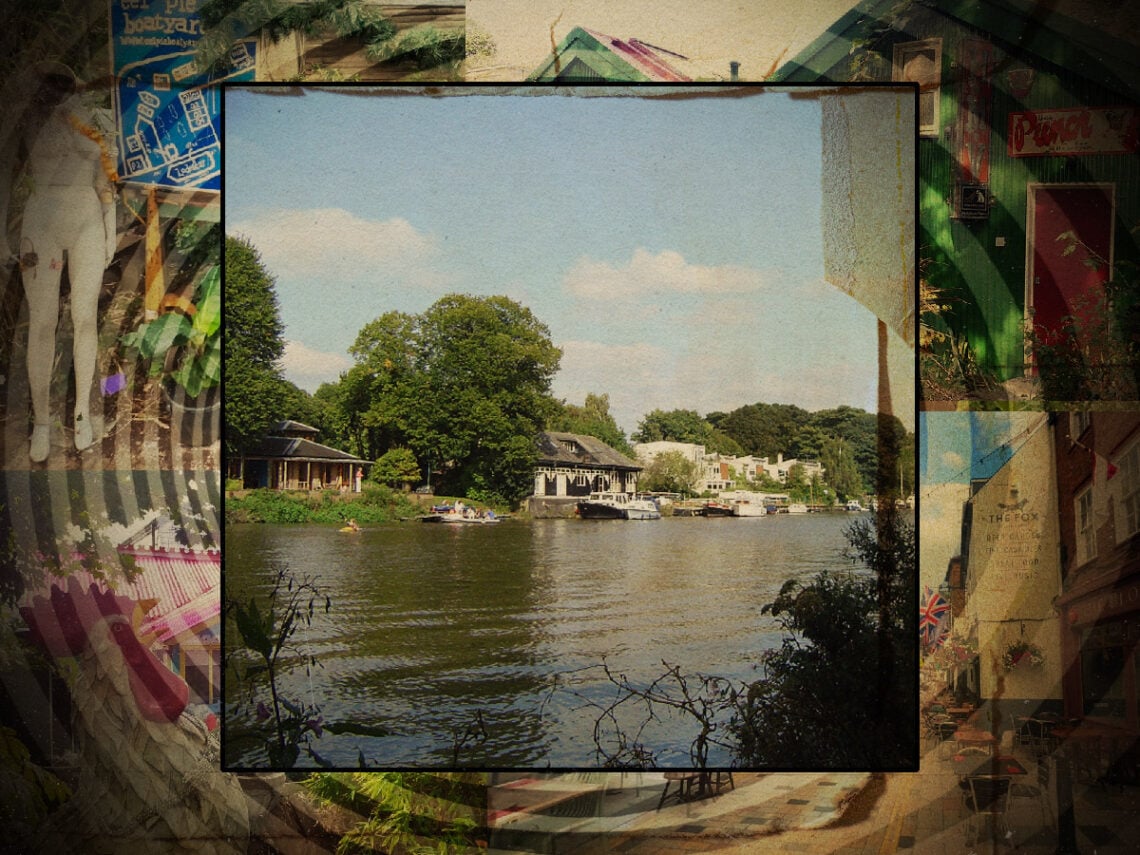
Eel Pie Island: The Bohemian community on the banks of the River Thames

London is dying, at least culturally. There’s an argument that no other city on the planet has had the cultural impact of London, but in recent years, it feels like things have begun to change.
Gig venues like The Astoria have gone, and clubbing in the city is basically extinct, especially with news that Corsica Studios will be closing in 2026. The smut has been purged from Soho and Shoreditch, only to be replaced by more branches of Gail’s and yet another shiny fast food gaff promising a new, distinctive take on the smash burger.
Even the galleries are treading water, while the aberration that is Moco Museum, with its hyper-capitalist Murakami and Kaws pieces, and Robbie Williams exhibition, is an Instagram spot masquerading as an art institution.
There is one artistic Bohemian haven that refuses to die, with Eel Pie Island, protected by the river that serves as London’s lifeblood, standing firm against the monoculturisation of the city.
Located in Twickenham, on a tranquil bend of the River Thames, is Eel Pie Island. This community isn’t about bootcut jeans and brown shoes, or rugby, and the only pill tossing they know were pharmaceuticals in the heady 1970s.
This tiny island is only eight acres in size but holds an important, if not underdiscussed, place in British culture. Its history really starts in the Victorian era, in which Londoners would leave the big smoke to visit the Eel Pie Island Hotel and dance in the ballroom, alongside the Thames. It continued to be this genteel area until the Second World War, when the Blitz and fighting on the continent changed everything, not least London.
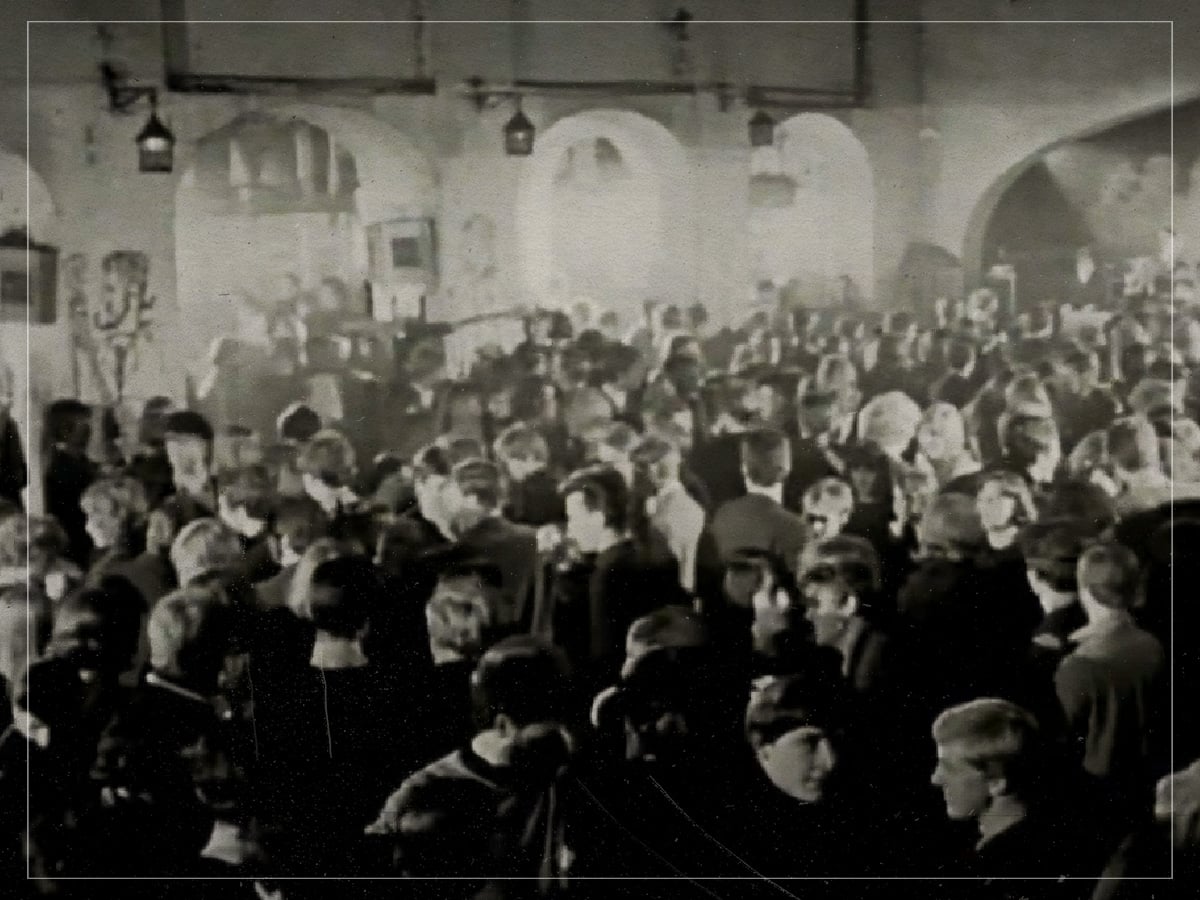
Post-war Britain was changed. Young people had experienced the very worst that the world had to offer. Jazz began to boom in the 1950s, and the ballroom started to be one of its hubs in the city. The island was unregulated, a haven from post-war conservative society and embracing the freedom that jazz exudes.
The swinging sixties hit, and then Eel Pie Island really grew into something very special and unique. 1963 saw a young Rolling Stones play a number of now legendary gigs on the island, with The Who, David Bowie, Eric Clapton, Rod Stewart and Genesis all playing in that famous ballroom, very early in their careers, before they became household names.
Britain’s rock and roll sound was partly born on the island, and alongside that burgeoning scene grew the island’s bohemian community. Away from the prudish culture of the time, lived artists, writers and free-thinkers who saw this area as a safe space to blossom and grow. This grew and grew, and by the middle of the decade number of creatives living on the island had grown significantly.
People built studios and workshops amongst the cottages and huts, with communal living rife. This fostered an exciting spirit of rebellion and a counter-culture that was living away from society’s norms. Politics, music, art, literature, this was a bubbling cauldron of creativity.
The Eel Pie Island Hotel burned bright in the 1950s and ’60s, but at the end of the decade, the building was in real need of repair and money, closed down, before literarily burning bright, as a mysterious fire ravaged the hotel and ended this iconic era of British musical history.
Fire wasn’t going to end the bohemian vision, though, and well into the next decade, the island was still a home for alternative communities, with art and creativity thriving. Today, Eel Pie Island is no longer the communal-living, rebellious mecca that it used to be, but it’s still a hub for artists and creatives.
Twice a year, the people of the island open their doors to let visitors into their studios and spaces, showcasing their crafts as painters, sculptors and metalworkers. There might not be hard rock riffs echoing across the island any more, but the creative and independent spirit lives on, with Eel Pie Island still acting as a lone outpost for a bohemian lifestyle that has long left the nation’s capital.
