


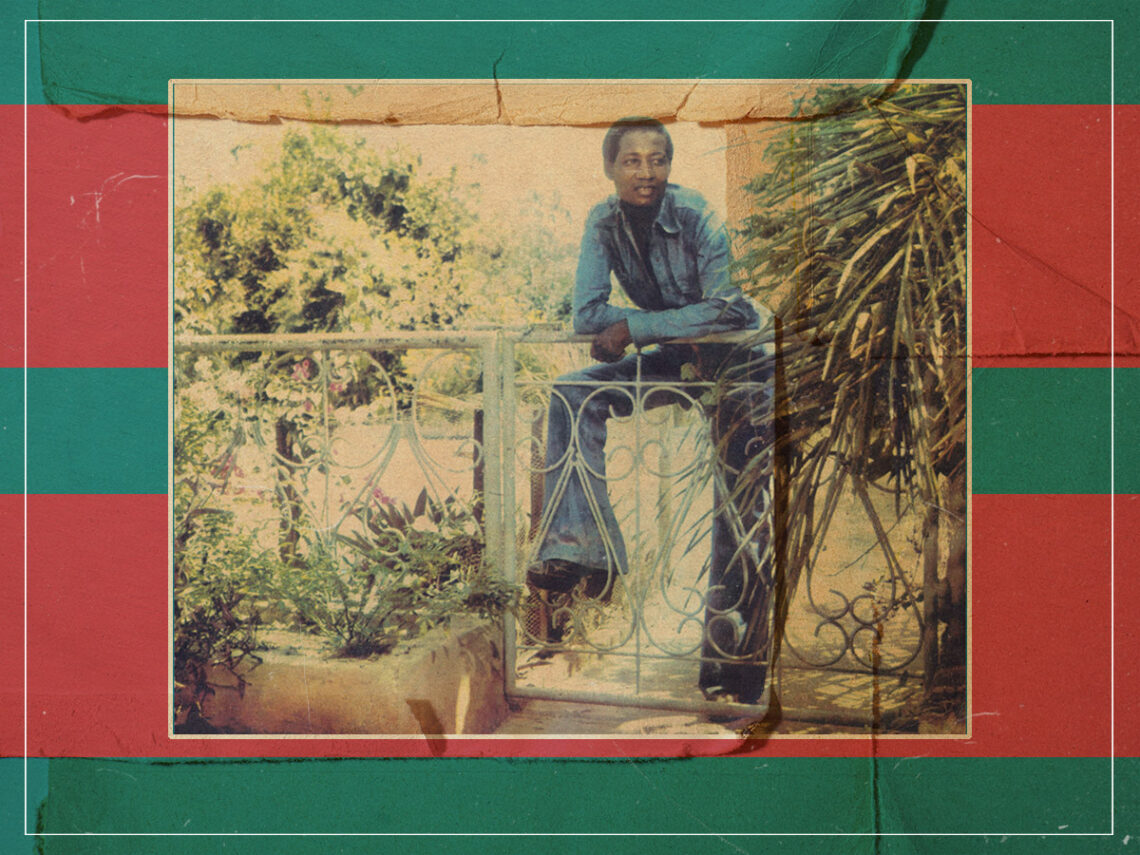
Ebo Taylor and the vibrant world of Ghanaian highlife music

The West African nation of Ghana has an incredibly vibrant history and artistic identity. From its period under the violent colonial rule of the British Empire, artists and activists in Ghana have used the world of music to rebel against oppression and establish their own distinct cultural identity. Perhaps the greatest cultural contribution Ghana has made to the world is the defiantly euphoric sounds of highlife music.
Originating in the 1870s, when Ghana existed under the banner of British West Africa, the genre of highlife soon developed into a unique blending of traditional Ghanaian folk styles and Western jazz tendencies. For decades, artists within the nation used varying styles of highlife to celebrate their cultural heritage and pioneer artistic expression in the face of colonial oppression. Inevitably, therefore, the genre reached its peak in the period following Ghana’s independence from Britain in 1957.
Following Ghana’s independence, the state placed importance on the rapid modernisation of the nation, moving away from the archaic and regressive policies of Britain. These efforts to modernise the country bled over into the cultural sector, inspiring a renaissance of highlife music. Artists during this period would often employ modern instrumentation and the newfound influences of jazz and rock to add new layers to the distinctive sounds of high life.
When looking at the modern history of highlife music, there are a few figures who stand out among the rest. Ebo Taylor, for instance, is a virtually unavoidable musician who became one of the leading highlife figures during the late 1950s with the group Stargazers and the Broadway Dance Band. Taylor was keen to increase the popularity of Ghanaian highlife throughout the continent of Africa, in addition to the wider world.
On a global scale, popular music underwent drastic changes during the 1960s, with the popularisation of psychedelia, counterculture rock and unavoidable pop groups like The Beatles. Even Ghanaian highlife was not immune from these influences, finding new life in the defiant sounds of rock and roll as well as early electronica. Taylor was, of course, well aware of the changing musical tides, and worked tirelessly to modernise the highlife genre.
The following few decades saw Taylor and highlife as a whole embrace electronic influences and collaborate with incredible afrobeat artists like Fela Kuti. It is largely thanks to Taylor that highlife music found global recognition after much of his work was reevaluated by hip-hop producers, who often used the enigmatic sounds of his discography as the basis for beats and samples during the early era of the genre.
From its origins in the 1870s, under the vicious rule of the British Empire, Ghanaian highlife still holds a vitally important role in the cultural output of Ghana and West Africa. Modern artists across the world embrace the euphoric sounds of the genre, continuing the development and diversification of highlife. Ebo Taylor’s role in cementing the golden age of highlife certainly has a lot to answer for.
