


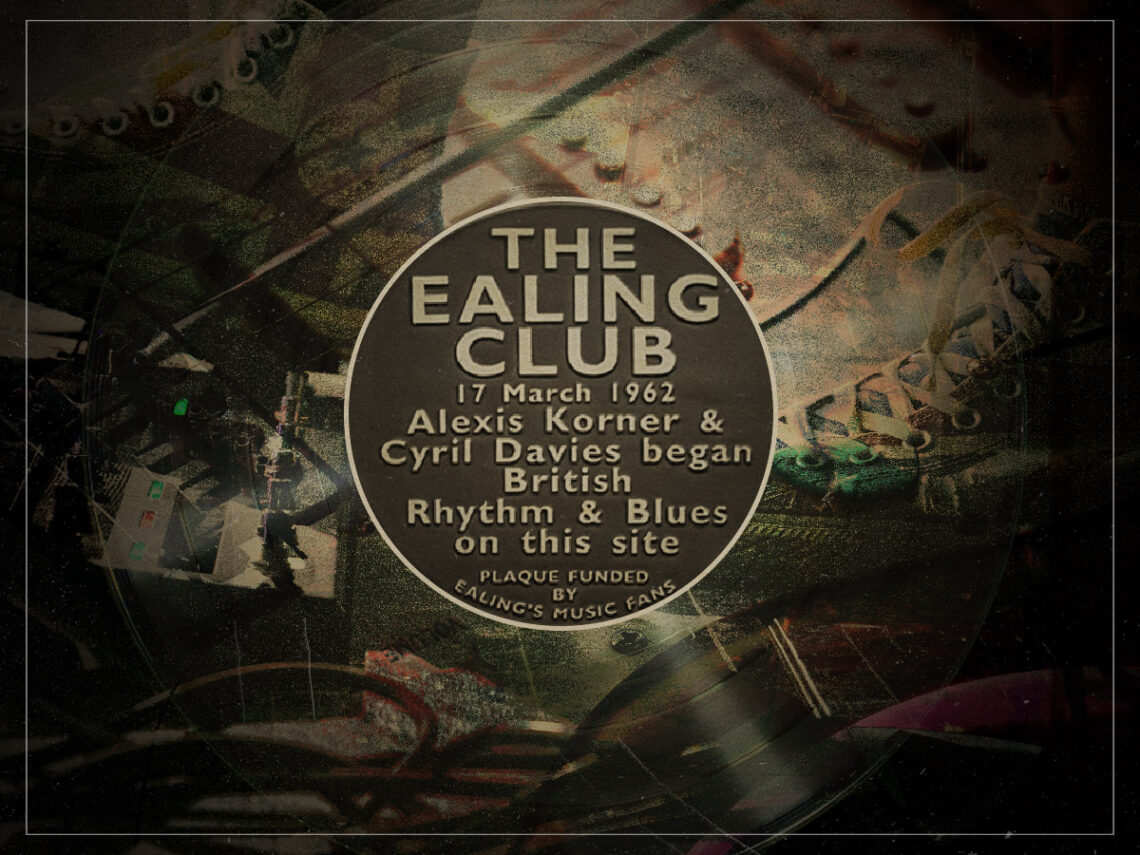
The Ealing club that sparked a rock and roll revolution

Over the past decade, it has been south London that has fostered one of the most prominent underground music scenes, where, thanks to venues like The Windmill in Brixton, enfant terribles like Fat White Family and ambitious noisemakers such as Black Midi have emerged as some of the most unforgettable voices to define a new era of guitar music.
The south London scene enjoyed its moment during the 2010s and the early 2020s with the rise in post-punk acts, often delivered with a sprechgesang style, but before that, it was east London that gave us many significant acts, particularly fostering the grime scene and the indie revival of the 2000s.
Meanwhile, up in the north is where you’ll find Camden, with its rich punk history, and, of course, it was also Amy Winehouse’s stomping ground, but that just scrapes the surface. London has given us some of the most iconic musical moments and figures, but some areas of the city seem to be slightly less remembered for their contributions than others.
So what about west London? These days, one of the most pivotal venues in the history of rhythm and blues and rock and roll is now a nightclub, and I’m sure many revellers have no idea they’re dancing among the hallowed halls of music history. Ealing isn’t seen as the height of hipsterdom right now (it’s quite a distance from all of the most exciting indie venues hosting a new wave of musical innovation at the moment), but once it served as a vital meeting place for The Rolling Stones.
Not only did Marshall Amplification first begin as an idea in Ealing, with the first shop opening in Hanwell, but two miles down the road was Ealing Jazz Club, which sparked a musical revolution. Founded by Fery Asgari in 1959, he would host jazz nights at the small venue just across from the local Tube Station, making it an accessible venue for people to play and gather for live performances.
However, a few years later, a young Brian Jones would be introduced to Charlie Watts at the club, before they were soon acquainted with Mick Jagger and Keith Richards. Before the Stones were hailed as rock and roll legends, they immersed themselves in this blues scene, playing their first ever gig together at Ealing Jazz Club.
The place became a vital musical playground for the band members, who owe their careers to the unsuspecting venue. They weren’t the only legendary musicians who would find themselves in the club on an evening: everyone from The Who, Eric Clapton and Ginger Baker to Alexis Korner, Rod Stewart, and Eric Burdon frequented the place. Evidently, this little basement venue, which closed its doors by the end of the 1960s, had something special within its walls.
By birthing British rhythm and blues, which was a revolution in and of itself, it led to the development of rock and roll. What would have become of British rock if the likes of Clapton, Richards, Baker, and Jagger hadn’t immersed themselves in this rhythm and blues scene? You couldn’t have rock and roll without it.
It was also on the stage of Ealing Jazz Club that Marshall’s first-ever amp, the defining and incredibly loud JTM45, was first used. Interestingly, Jimi Hendrix’s future drummer, Mitch Mitchell, worked at Marshall, and he was involved in getting this amp on stage for the first time. Rock music would never be quiet again.
Ealing really was at the heart of a musical revolution during the early 1960s, even if we more commonly associate the era’s rock and roll roots and swinging sixties phenomenon with other locations, like Soho and Chelsea. But don’t forget how important Ealing was to this period of innovation, even if all that’s left of the Ealing Club now is a sticky dancefloor.
