


The Eagles song that Ian Anderson thinks ripped off Jethro Tull: “A kind of tribute”

If you ever speak to someone who was around during the cultural explosion of the 1960s, the misty-eyed look in their eye will tell you just how important that decade was. Creative freedom and the explosion of art that came with it mean it was a more experimental run of years than has ever happened since. However, as the decade ended, it seemed sure that drugs and decadence were about to squash the idylls the ’60s had set out. A new set of bands was on the horizon, and they were very different. By the mid-1970s, it was becoming clear that the decade was about to become dominated by Eagles.
Eagles were a different animal to The Beatles and The Rolling Stones, let alone Pink Floyd and Jimi Hendrix. This band were certainly interested in making art and creativity, but they also cared a lot about the record sales these two facets would bring. It was an inevitable culture shift from the free love movement. Led Zeppelin were another band to straddle the two decades’ motives effectively, but soon enough Eagles were ready to rule the roost.
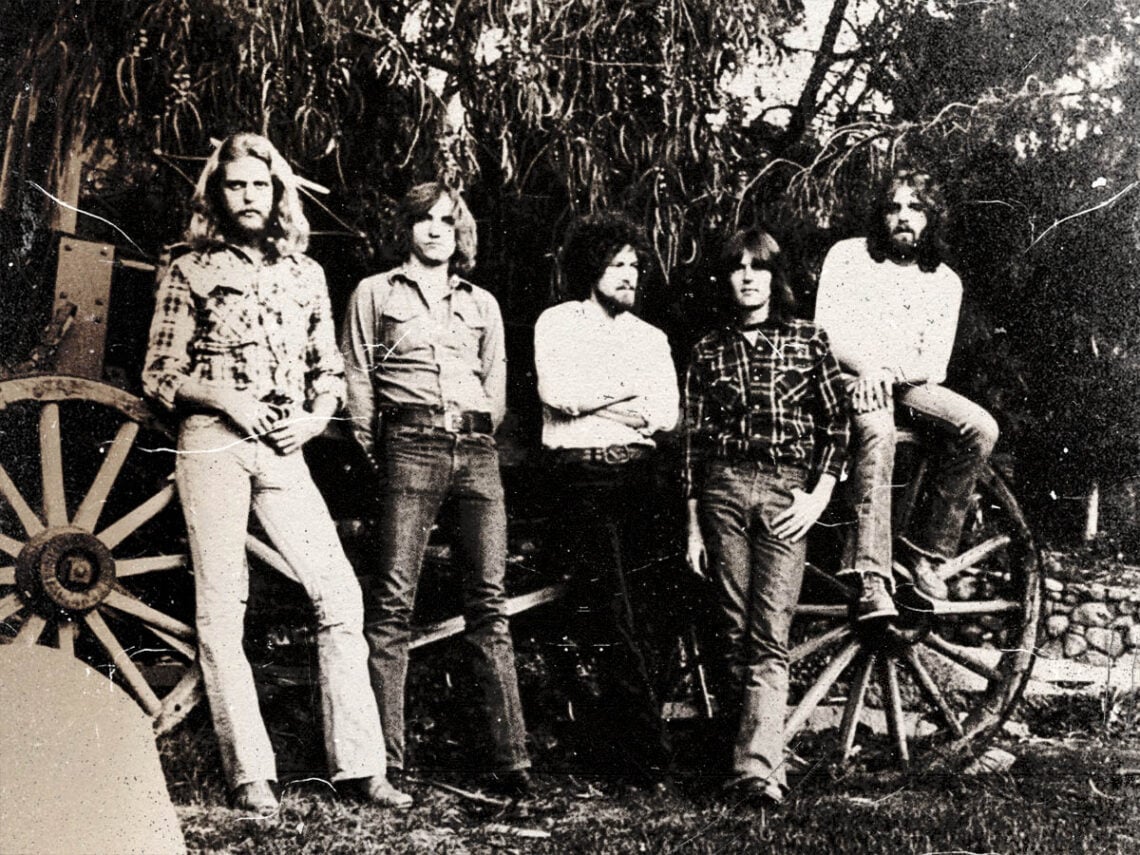
Although they had already been through their fair share of shakeups with the departure of founding guitarist Bernie Leadon, the addition of Joe Walsh for their next record brought a certain amount of edge back into the fold that they thought would work well on their subsequent records. While Glenn Frey and Don Henley were already looking to aim big, nothing could have prepared them for what came out of ‘Hotel California’.
When shopping through ideas, guitarist Don Felder came up with the main progression when writing at his house in Malibu. As Henley would recall later in History of the Eagles, “The music reminded me of something between Spanish music and reggae music. That piece really jumped out at me and that’s what me and Glenn started to base everything around”.
Combined with two triumphant guitar solos, Henley’s lyrics paint a vivid picture of what it’s like living the rock and roll lifestyle, where any average person can become a star but have to sell their soul in the process. Although this was the closest that any Eagles song got to progressive music, one of the kings of prog was taking notice.

Upon first hearing the Eagles classic, Ian Anderson of Jethro Tull thought that the song sounded eerily similar to one of their songs from 1969 entitled ‘We Used to Know’. When listening to both of the songs next to each other, it’s clear they bear a similar chord progression, only with Tull’s version going in wildly different directions through different time signature changes.
Though the band have maintained that the Tull song had nothing to do with their original composition, it doesn’t exactly help to know that Jethro Tull supported them on a handful of their early tours. In an interview with Songfacts, Anderson pointed out the similarities between both tunes, explaining: “Maybe it was just something they kind of picked up on subconsciously, and introduced that chord sequence into their famous song ‘Hotel California’ sometime later”.
Regardless of where the song came from, the Eagles’ version of the tune also featured references to other rock legends. As Henley talks about mirrors on the ceiling and pink champagne on ice, the feast that he attends focuses on patrons grasping steely knives, which is a reference to Steely Dan, who had already namechecked the California rockers in one of their own tunes.
Whereas most people in Jethro Tull’s position would have sued the band for plagiarism, Anderson prefers to look at the bright side of things, electing not to pursue any legal action. When asked about his relationship with the rest of the band, Anderson claims that everything is completely fine, saying, “There’s certainly no bitterness or any sense of plagiarism attached to my view on it – although I do sometimes allude, in a joking way, to accepting it as a kind of tribute”.
While both songs might have prog leanings, the Jethro Tull take on the chord sequence pales in comparison to what the Eagles classic represents. Tull may have still been finding their voice when they wrote the chord sequence, but ‘Hotel California’ was a cautionary tale of what could happen if any wannabe rockstar lets the lifestyle consume them.
