


The 10 best songs by Eagles

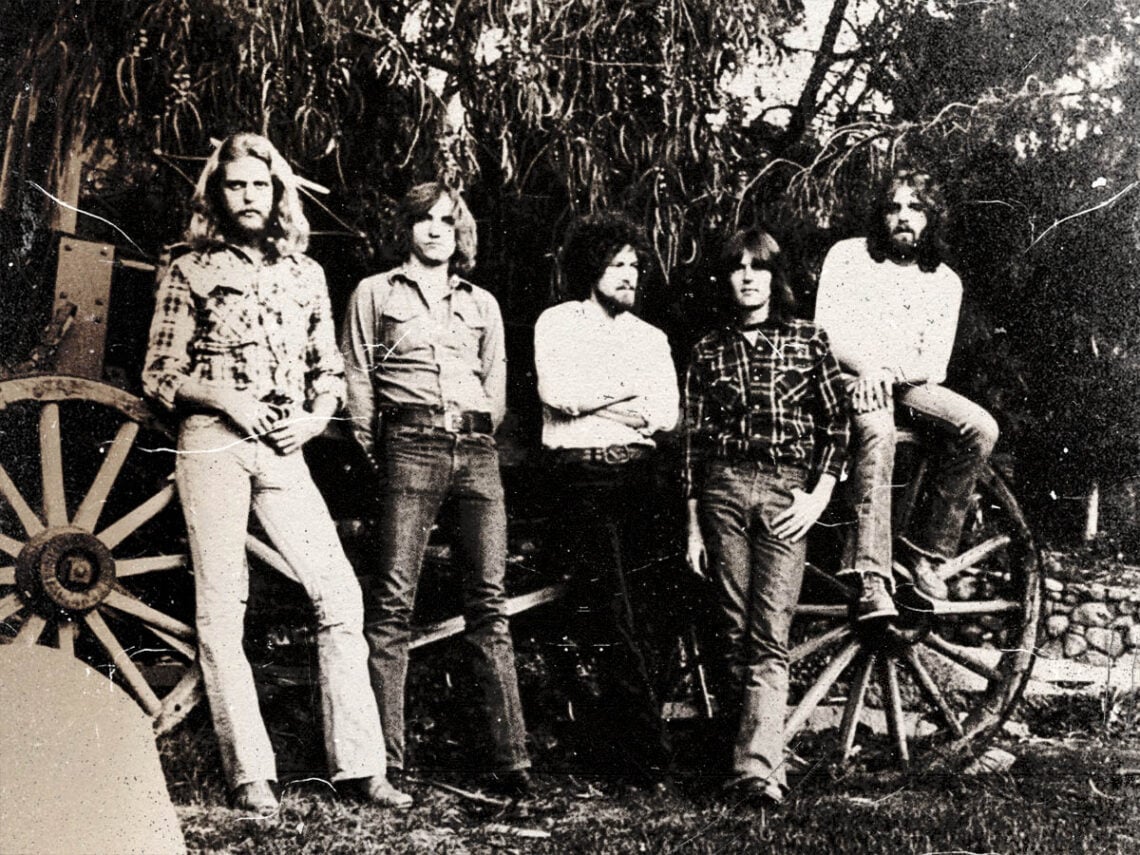
At the start of the 1970s, rock and roll could have gone in a million different directions. As the Summer of Love came to an end, the rest of the decade was in for many twists and turns, from the beginnings of metal to glam rock to the punk movement coming in 1977. While most other rock music was intense for its time, Eagles gave a much more mellow spin to the sound of rock.
Being influenced by everything from country to Motown, the songwriting partnership between Glenn Frey and Don Henley produced some of the biggest radio hits of the time. With each passing album, the band always pulled from different influences to suit their sound, from adding in traditional folk instruments to eventually drafting in Joe Walsh and Don Felder as their resident guitar heroes.
While the music may have been about escaping the stress of life, the band dynamic was anything but breezy, with Henley and Frey ruling with an iron hand culminating in the band’s demise after a charity gig. Despite the many fights they had on and off the stage, the music always brought them back together.
When combing through their best songs, the band were synonymous with the ‘70s sound, being equally breezy while also laying the groundwork for other singer-songwriters to follow. The Dude might have had his own hangups with them over the years, but nothing can take away the magic whenever those voices harmonise together.
The 10 best songs by Eagles:
10. ‘I Can’t Tell You Why’
When the Eagles came off the tour for Hotel California, it was anyone’s guess where they could take things next. Arriving at the studio for The Long Run, no one had any songs finished, grinding the sessions to a halt. Since the Frey/Henley partnership was working at half capacity, newcomer Timothy B. Schmidt stepped up with a breakup song for the ages.
While ‘I Can’t Tell You Why’ is a basic falling out song between two lovers, the devil is in the details. With a simple arrangement of a keyboard and bass to drive the track, you feel like you’re in the room listening to Schmidt talk to this girl, laying his feelings on the table about how conflicted he feels about leaving.
These two splitting might be for the best, but something keeps calling him back to her after he’s called it off for the thousandth time. It might seem impossible to work things out, but having someone is always better than being alone.
9. ‘How Long’
By the time the Eagles started picking up steam, there was no need to play covers anymore. Glenn Frey was turning out one great lyric after another, and Henley’s voice was the fuel that rocketed the songs up the charts. The quality control may have been strong, but it also meant one of the band’s greatest songs being kept on the shelf.
While their version of J.D. Souther’s ‘How Long’ had been a staple of their live set, the band elected not to perform it so that their friend could use it on one of his first solo albums. With their legacy intact, the ban dusted it off for their comeback album Long Road Out of Eden and struck gold.
Even though Souther’s version has a solemn tone to it, what’s missing from the original is the band’s vocal harmonies, working off each other to create a gigantic wall of sound behind Frey’s lead vocal. Eagles didn’t need the kind of hits they were looking for in the ‘70s, but ‘How Long’ is the perfect case of putting the right song with the right act.
8. ‘Life in the Fast Lane’
In the age of hard rock, Eagles looked a lot like mellow dads performing onstage. Since this was before MTV, most of the band’s greatest shows consisted of them playing their songs and barely moving a muscle when they played. Despite their less-than-animated live shows, the band could still rock out when they needed to.
Having been through the wringer of rock and roll for some time, Frey was inspired to write ‘Life in the Fast Lane’ after hearing Joe Walsh messing around with a guitar lick during rehearsal. After coming up with the title from a drug dealer, the band were off on the story of the seedy side of Hollywood, where you can have all your dreams realised and crushed on the exact same day.
That seediness isn’t limited to the music world either, like in the last verse where the narrator is about to OD, and the doctor who’s operating on him insists that you pay him in cash. Eagles might have gotten the accolade as one of the most celebrated American bands, but they also had a few opinions on the shady side of America.
7. ‘One of These Nights’
One of the biggest turn-offs when it comes to Eagles’ music is their branding as dad rock. Although many a middle-aged man has most likely sung along to songs like ‘Already Gone’ in the car, the band were always more than just mellow rock and roll to crank up on the stereo. And when they arrived at their fourth album, the band got in touch with their more funky side on the title track.
While ‘One of These Nights’ is by no means Parliament Funkadelic, the band lay heavily into the percussive side of their sound, with the rhythm guitar favouring the grooves that you’d reserve for disco music. Even the vocal harmonies change up here, highlighting Henley’s higher register and sounding like a mellow version of what Motown was doing a few years earlier.
Despite Henley’s efforts, the main draw of this song is the guitar solo from Don Felder, bringing an enhanced level of musicality to the song that would be missing if it was pared down to just piano and vocals. Since the Eagles were always known for their laid-back demeanour, this is the closest thing to a party song that they have in their canon.
6. ‘Take It to The Limit’
The original plan for Eagles was to be a sort of singing democracy. While David Geffen had planned to sign them to his label on the strength of Don Henley’s voice, both Henley and Frey took turns singing every hit song, with Frey’s rough-around-the-edges voice complimenting Henley’s purity. Randy Meisner was every bit the lead singer that they were, though, and he finally had a classic to call his own on ‘Take it To the Limit’.
For a man that was still in his late 20s, there’s a certain world-weariness in this song, as the narrator talks about burning out time and time again and trying to seek the next thrill that comes his way. While Meisner’s voice soars over this song, it also became the song that broke the camel’s back.
After one too many live gigs, Meisner refused to sing the song live anymore, leading to him being sacked for Timothy B. Schmidt for the band’s final album. While Frey took the reins in the years since Meisner’s departure, his weathered voice suited the song much better. After years on the road, talking about taking it to the limit one more time in your twilight years feels way too right.
5. ‘New York Minute’
After 1980, most of the Eagles went their separate ways. Although Joe Walsh remained on good terms with most of the band, there were enough burned bridges amongst everyone to turn down any rumours of a potential reunion. While Don Henley had the most success as a solo star, one of his greatest singles wasn’t realised until it got the full Eagles treatment.
Once the band got back together, Henley’s ‘New York Minute’ became a key part of their setlist, talking about the harsh side of the Big Apple and depicting the fine line between desperation and wealth in a city that big. As much as Henley’s voice works on the original, the synth treatment is traded in for chiming guitars from Walsh, which make the song come alive on their live disc Hell Freezes Over.
The Eagles were never hired guns, and the real MVP of the band is Timothy B. Schmidt, who favours the higher notes on his bass to add an extra layer of moodiness to the final version of the song. There’s a tortured soul hidden in this song, but the real message behind it is just how far you will go to take care of the ones you love.
4. ‘Take It Easy’
For a kid growing up in the early ‘70s, everything that was coming out on the news seemed scary. Although the Vietnam war was slowly coming to an end, the Nixon regime in America was getting tense, culminating in the Watergate scandal that came before his resignation. The rock scene needed a song that said things were going to be OK, and Eagles delivered on ‘Take It Easy’.
After cutting their teeth playing with Linda Ronstadt, both Henley and Frey struck gold by co-writing this song, talking about the free spirit that comes with raising hell in California. While Jackson Browne started the song in the beginning, he credits Frey with the line about a girl in a flatbed Ford, which nailed the ‘70s dream of girls, cars, and trying to find the meaning of life.
Although the Eagles had a long road ahead of them, this is the one song that stayed in their set all the way through to the end of their time together. Even outside of the ‘70s connotation, the guitar tone of this song captures the image of driving down an endless highway in an eternal summer.
3. ‘New Kid in Town’
By the time Eagles made Hotel California, they had been around the block a couple of times in rock and roll. They had seen so many of their favourite bands rise and fall, and they were just the next big band in a long line of bands that would take over the world for one summer. Frey knew their time in the spotlight was short, so why not write a song about the stress that comes with that?
Setting up a story about a young kid who heads to the city, ‘New Kid In Town’ says more in one song than most rock biopics can say across their entire runtime. Although this bright-eyed kid might be living large, Frey isn’t shy about the toll it takes on his friends and family, with old friends becoming strangers and his family seeing him as a commodity.
By the end of the song, the singer has become jaded about the world of fame, saying that he doesn’t want to hear about the next new kid in town anymore. He might be talking about the glitzy side of Hollywood, or he might be talking about the next generation coming up to replace him. Either way, ‘New Kid In Town’ is a clear picture of stardom that every kid looking to start a band should hear before getting their own band together.
2. ‘Desperado’
After their first album tore up the charts, Eagles were looking to aim bigger for their next album. While being out on the road, they had the idea of making a countrified version of rock and roll, with a concept record detailing the life of an outlaw. While Desperado bombed with the critics back in the day, the title track from the record was spotless from start to finish.
Led by a slow piano lick, Henley plays the elder statesmen of the outlaws, warning the outlaws coming up the ranks what they’re in for if they start getting into trouble. While most of the song is layered with mock slang, there’s almost a father/son dynamic in the lyrics, as he tells the kid not to get in over his head and to make sure that he has a lover at the end of the day who will understand him.
The outlaw connotation makes sense with this song, but it isn’t hard to draw a parallel between the warnings here and the warnings that come with being a rock and roller. The wonder of the road might seem intriguing at first, but if you cross the line one too many times, you’ll find yourself lost pretty quickly.
1. ‘Hotel California’
The story of Eagles has become synonymous with the California lifestyle. Compared to some of the biggest acts to come out of Hollywood, Eagles are in stiff competition with the Red Hot Chili Peppers, especially when it comes to which band can sing about the Sunshine State more. While ‘Hotel California’ might be the band’s magnum opus, it doesn’t always paint California in the best light either.
Playing out like some warped fairytale, every line in this song is about a man getting drawn to the lavish surroundings of the hotel, only to find himself trapped in the wasteland of Los Angeles. Based on Don Felder’s Spanish-infused chord progression, every line has its own profound meaning, from the stars dancing in the courtyard to the nightman saying that the city is only programmed to receive.
Even though the song could have wrapped up a few minutes earlier, Don Felder and Joe Walsh’s duelling guitar solos are what send the song over the top, almost sounding like the soundtrack of the narrator trying to outrun the horrors that he saw when he was in the dreaded hotel. Just like the song says though, you can check out any time you like, but California has a hold on you forever.
