


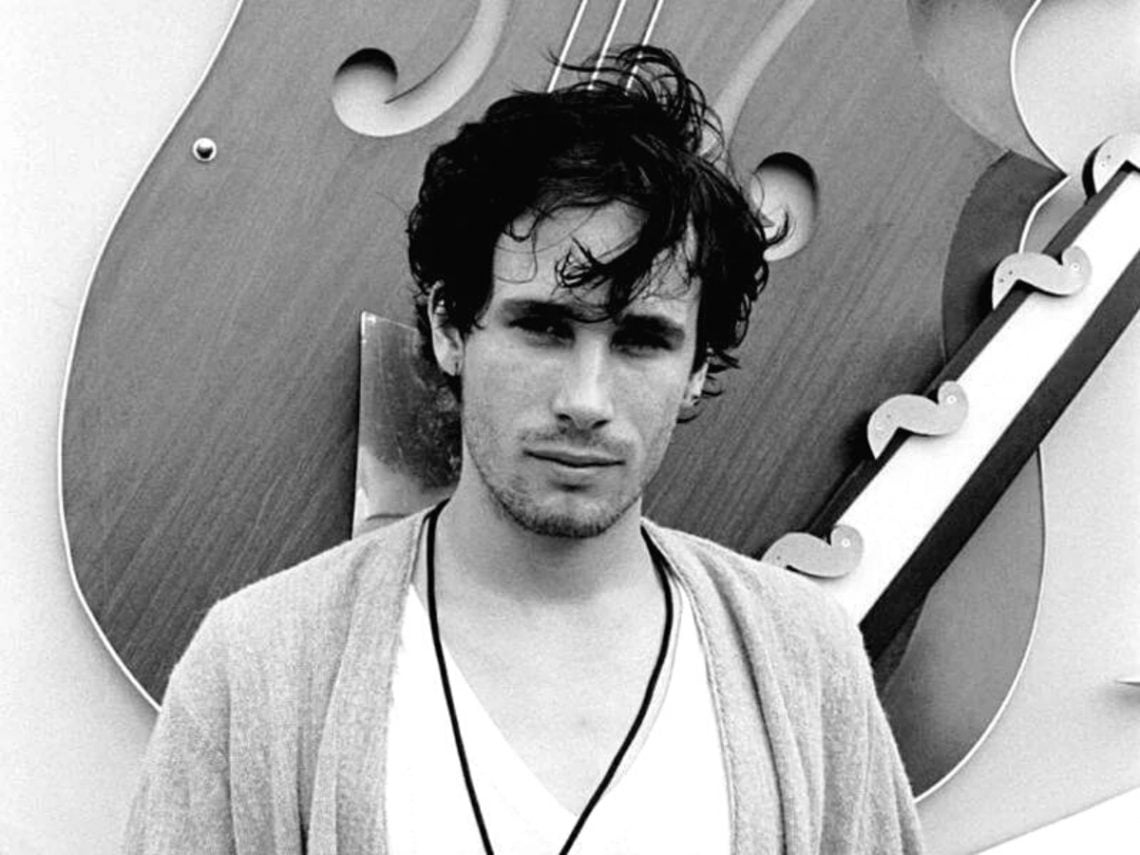
‘Dream Brother’: The song Jeff Buckley wrote for Chris Dowd

About a month before he was born, Jeff Buckley’s father, Tim Buckley, divorced his mother. Although he would stick around for a little longer – six months, to be exact – Buckley’s memories of his dad are as good as non-existent. And so, when Chris Dowd, formerly of Fishbone fame, approached him with the desire to leave his pregnant girlfriend, it understandably struck a chord with Buckley, and he got to work, channelling his feelings through a song he called ‘Dream Brother’.
‘Dream Brother’ occupies the final slot on the original edition of Buckley’s album Grace and the second-to-last slot on later releases of the album. Co-written by Buckley, bassist Mick Grøndahl, and drummer Matt Johnson, the song was born from a heartfelt plea to Dowd to reconsider his decision to leave his girlfriend.
In the song’s verses, Buckley’s deep emotions draw parallels between Dowd’s situation and his own family history, as he sings: “Don’t be like the one who made me so old /Don’t be like the one who left behind his name /’Cause they’re waiting for you like I waited for mine /And nobody ever came”.
Buckley’s anguish upon hearing about Dowd’s situation left him deeply introspective, with a distinct concern about the impact of such a breakup on a child, much like what he went through. However, at the same time, Buckley was experiencing his own challenges, making it difficult to maintain a clear head about right and wrong. “I know what self-destruction can lead to, and I have tried to warn him,” Buckley notes, “But I am one big hypocrite because when I called him up and told him about the song I’d written, that same night I took an overdose of hash and woke up the next day feeling terrible. It is very hard not to give in to one’s negative feelings. Life is total chaos.”
Despite its subject matter, however, the song actually originated from a jam – Buckley had initially sung some vocals but hadn’t got around to writing proper lyrics yet. The whole project risked being rushed off, especially after his engineer, Clif Norrell, said that Buckley had asked him to help him complete the song due to the deadline having passed.
“Jeff was in Los Angeles,” he recalled, “So they wanted him to get into a studio and finish the song. We had two days, but Jeff wanted to work on other songs first. On the final night, Jeff sang just the choruses of ‘Dream Brother’. He asked me what time it was, I said ’11:00 PM’, and he said, ‘OK, I’ll meet you back here at 1:00 AM!’ He returned on time and sung the verses a few times and really nailed it. I realised he probably written those verses during the couple of hours he was out of the studio.”
Regardless of its production process or his own demons, the fact that an artist like Buckley would allocate precious album space to a noble act of urging a friend away from irrevocable mistakes reveals much about the character that often remained concealed beneath the surface of gentle interviews.
After the release of Grace, Buckley relocated to Memphis with aspirations of a simple and tranquil life. Over the following years, he came remarkably close to realising this ambition, renting a modest house on a quiet street. When he passed away, there were no traces of the typical tumultuous rock and roll existence associated with substance abuse; instead, his passing eerily mirrored the echoes of the closing lines of ‘Dream Brother’: “Asleep in the sand with the ocean washing over”.
