


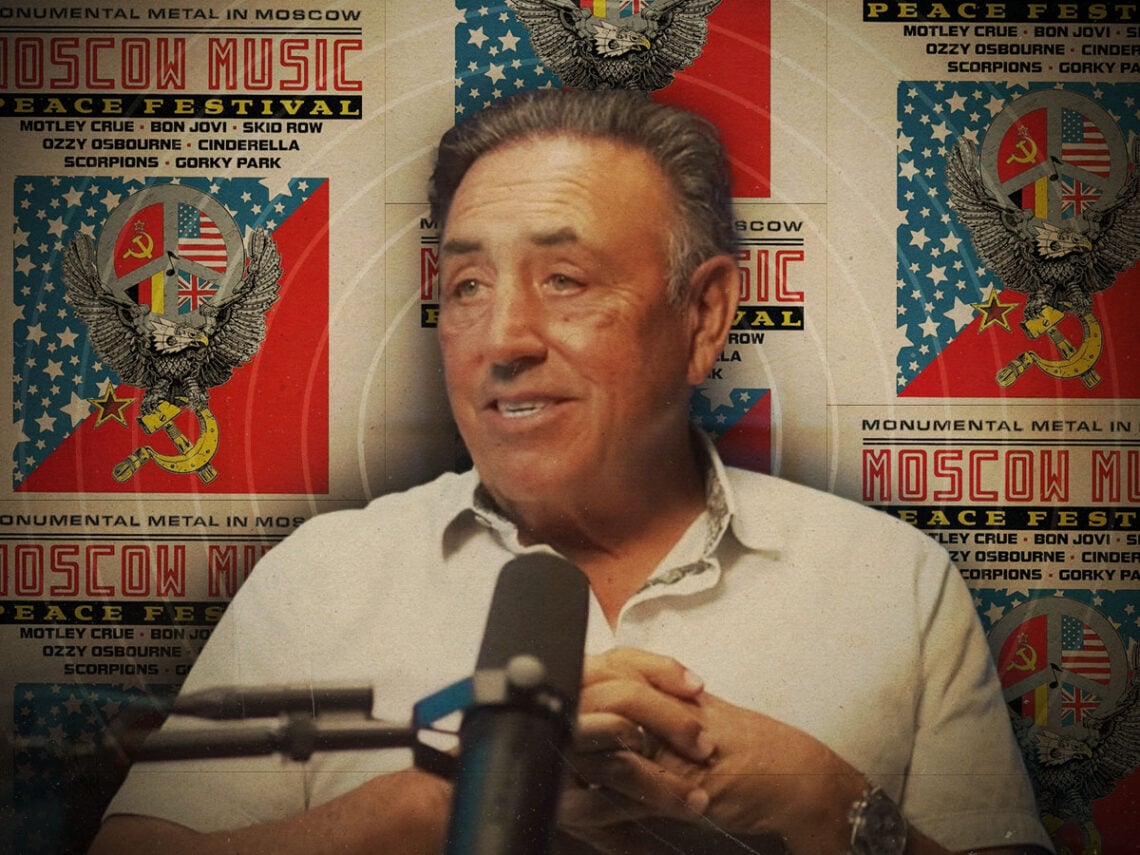
Doc McGhee: How the architect of hair metal turned a drug smuggling conviction into an anti-drug rock festival

“My biggest regret as a manager,” former Mötley Crüe boss Doc McGhee once said, “Is that I let [frontman] Vince [Neil] think he could get away with murder”.
McGhee was referring to the 1984 incident in which the troubled singer, driving while intoxicated, crashed his car in Redondo Beach, killing his passenger, drummer Nicholas ‘Razzle’ Dingley of the band Hanoi Rocks, in the process.
“In Vince’s mind, he thought he was above the law,” McGhee said, “And walking away from that disaster with a few weeks in a luxury jail and a $12,000 Rolex certainly didn’t teach him otherwise”.
For a man who believed so passionately in people facing harsh consequences for their crimes, McGhee is perhaps ironically best remembered, despite his esteemed career as one of the top rock ‘n’ roll promoters of the 1980s, for being the beneficiary of one of the craziest plea bargains in the modern history of the American legal system.
In 1987, at the absolute height of his powers as the manager of both Mötley Crüe and an ascendant Bon Jovi, McGhee was formally charged as a co-conspirator in a drug smuggling ring that had been in operation six years earlier, moving cocaine and marijuana from Colombia to the coast of North Carolina aboard a shrimp trawler. Prosecutors were looking for a prison sentence for McGhee of potentially as long as five years.
As news of the charges broke, a brief period of panic arose among the bands under McGhee’s management. Doc hadn’t just helped Mötley Crüe and Bon Jovi manage their finances and tours, he’d been an instrumental factor in turning them from headstrong upstarts into international superstars and savvy businessmen, of a sort.
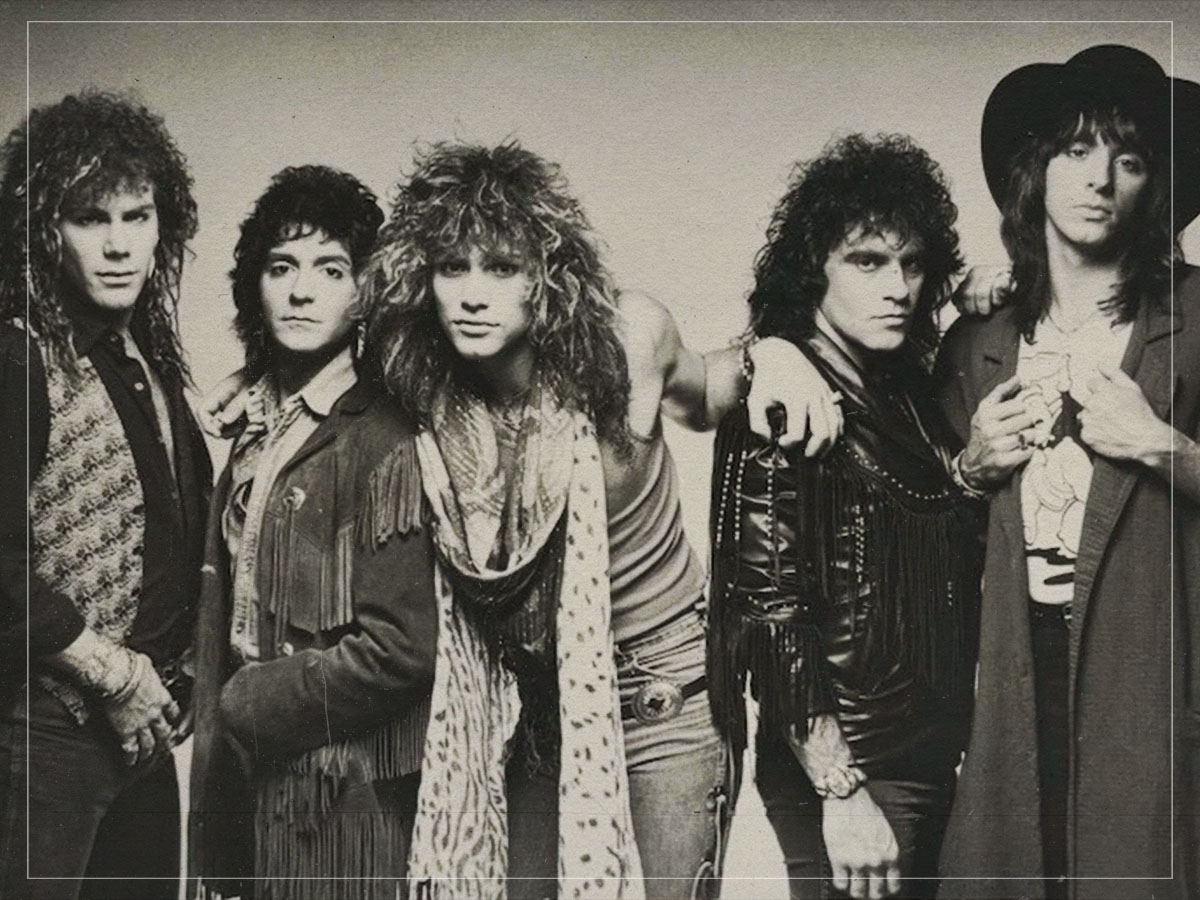
Jim Lewis, who was the VP of marketing at Polygram Records at the time, later said that Jon Bon Jovi, in particular, was “a great star, a great writer, but I think he learned a huge amount from Doc McGhee. Jon would have been a star no matter who was managing him, but Doc took him further than it naturally would have.”
In January 1988, McGhee pleaded guilty to the drug trafficking charges in a federal court, though he claimed to have been a small player in the operation, a facilitator of “introductions” rather than a kingpin. Even so, in the middle of a huge crackdown on drugs by the Reagan/Bush administration, this admittance of guilt could easily have meant certain doom at sentencing time. As evidence of the same deal-making skills that had made him a rock tycoon in his mid 30s, however, McGhee had one more ace up his sleeve.
Facing his day in court, he was initially sentenced by US District Court Judge W Earl Britt to the maximum five-year prison sentence, but in a bizarre, last-minute twist, his lawyers offered up an alternative ‘punishment’, one that they suggested would serve the greater good far more than simply putting their client behind bars. Their argument: why not utilise Doc McGhee’s considerable influence and skills as a rock promoter and concert organiser to help spread the message of the anti-drug movement? After all, he had already turned his own life around and was one of the co-founders of Rock Stars Against Drugs, a PSA campaign aligned with the government’s ‘Just Say No’ propaganda.
Never mind that McGhee’s original hitmakers, Mötley Crüe, were a walking billboard for rampant drug abuse; the point remained: he wanted to set things right, and he could use his powers for good if the judge saw fit to let him.
Incredibly, and perhaps suspiciously, Judge Britt took the bait. He reduced McGhee’s sentence to 180 days in a community drug treatment centre, and ordered him to put 3,000 hours and $250,000 into the creation of an anti-drug nonprofit organisation. As part of the plea deal, that new venture would need to present three rock concerts within five years, each of which would “make the performers a positive influence on the youth of America”. A corresponding documentary film would also need to be made, spreading this message via the magic of VHS.
McGhee agreed to the terms, and within a few months, the Make a Difference Foundation was established. The nonprofit’s first big event, however, wasn’t exactly aimed at the youth of America, but at the untapped audience of the teetering Soviet Union.
Across two days in the middle of August 1989, less than three months before the fall of the Berlin Wall, an estimated 100,000 people crammed into the Luzhniki football stadium in Moscow (then known as Central Lenin Stadium) to welcome an unprecedented invasion of Western hard rock performers into the Soviet capital. This was Doc McGhee’s big swing, turning the lemons of his federal drug smuggling conviction into a giant international Woodstock-esque lemonade for hair metal.
Ozzy Osbourne and Bon Jovi were the headliners of this so-called ‘Moscow Music Peace Festival‘, joined by Mötley Crüe, Scorpions, Skid Row, and Cinderella, plus a sprinkling of Russian rock bands included as a sort of devil-horned olive branch. McGhee was the mastermind of the concert, working alongside Russian musician and activist Stas Namin, whose band Gorky Park also performed.

It’s unclear if he actually expected Ozzy or Vince Neil to go on stage and tell a giant crowd of hyped up Russians not to smoke refer, but from most accounts, no such educational messages were included. Instead, McGhee and his team had bigger fish to fry. Specifically, they were in way over their heads when it came to putting on a massive rock festival in a country at the height of perestroika and on the brink of total transformation.
“There were tremendous cost overruns because there was nothing available in Moscow to do anything with,” McGhee’s lawyer Joe Cheshire later told the Associated Press, “There was no electricity to run the stadium. There was no plywood to build the stage. It all had to be brought in.”
Despite the challenges, the concert was a diplomatic success by some measures. Jon Bon Jovi called it “the highest high we’ve ever experienced”, and Scorpions scored a massive hit with a song inspired by their involvement, ‘Winds of Change’. As the Make a Difference Foundation came under further scrutiny in the years that followed, though, prosecutors questioned the real motivations behind McGhee’s festival.
“All that publicity helped them immensely with their own commercial venture,” assistant US attorney J Douglas McCullough argued in 1991, “but it ultimately generated very little for the coffers of the foundation.”
Judge Britt, who’d allowed McGhee’s original plea bargain, still defended his decision two years later, however, saying, “I just fully believe that young people are going to listen a lot quicker to Michael Jordan or Jon Bon Jovi than to me or their preacher.”
The Make a Difference Foundation dissolved in 1995, and while McGhee eventually lost most of his high-profile clients, he carried on with his career, taking over the management of the rock legends Kiss from 1995 into the 2020s.
