


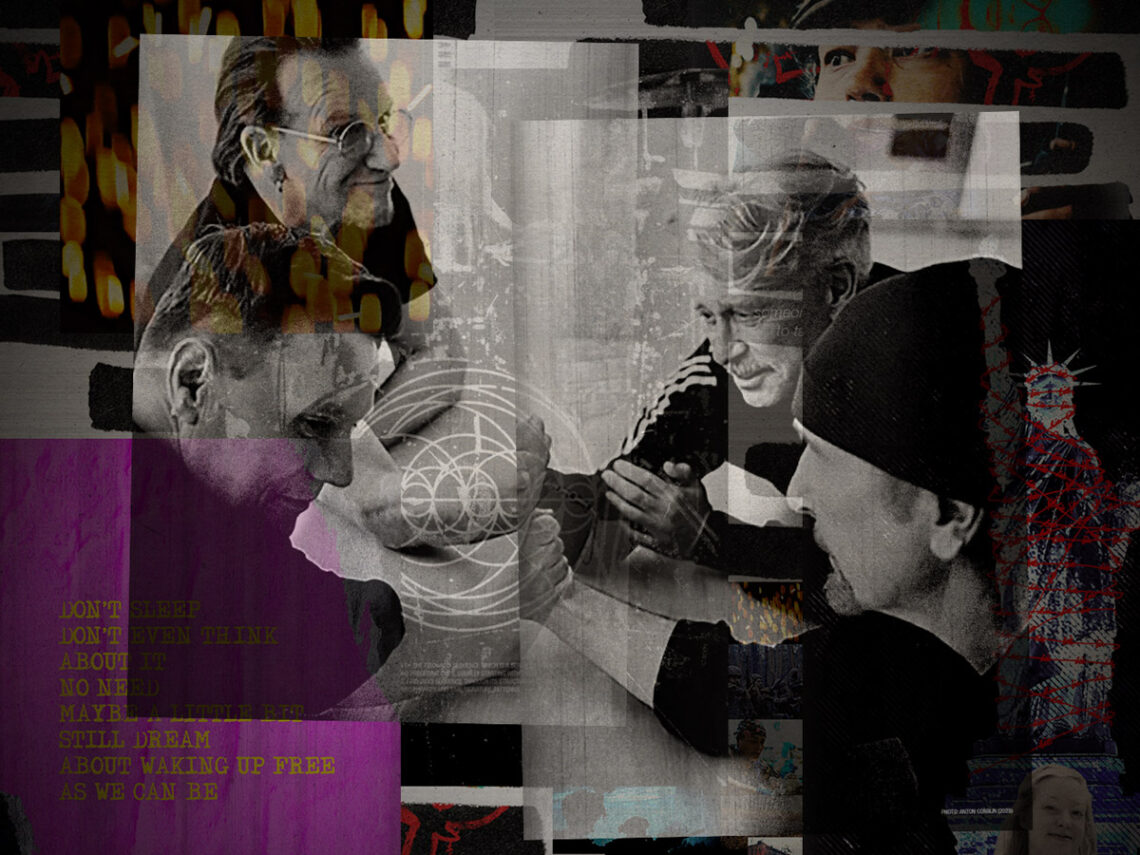
Dissecting the themes of U2’s new surprise release

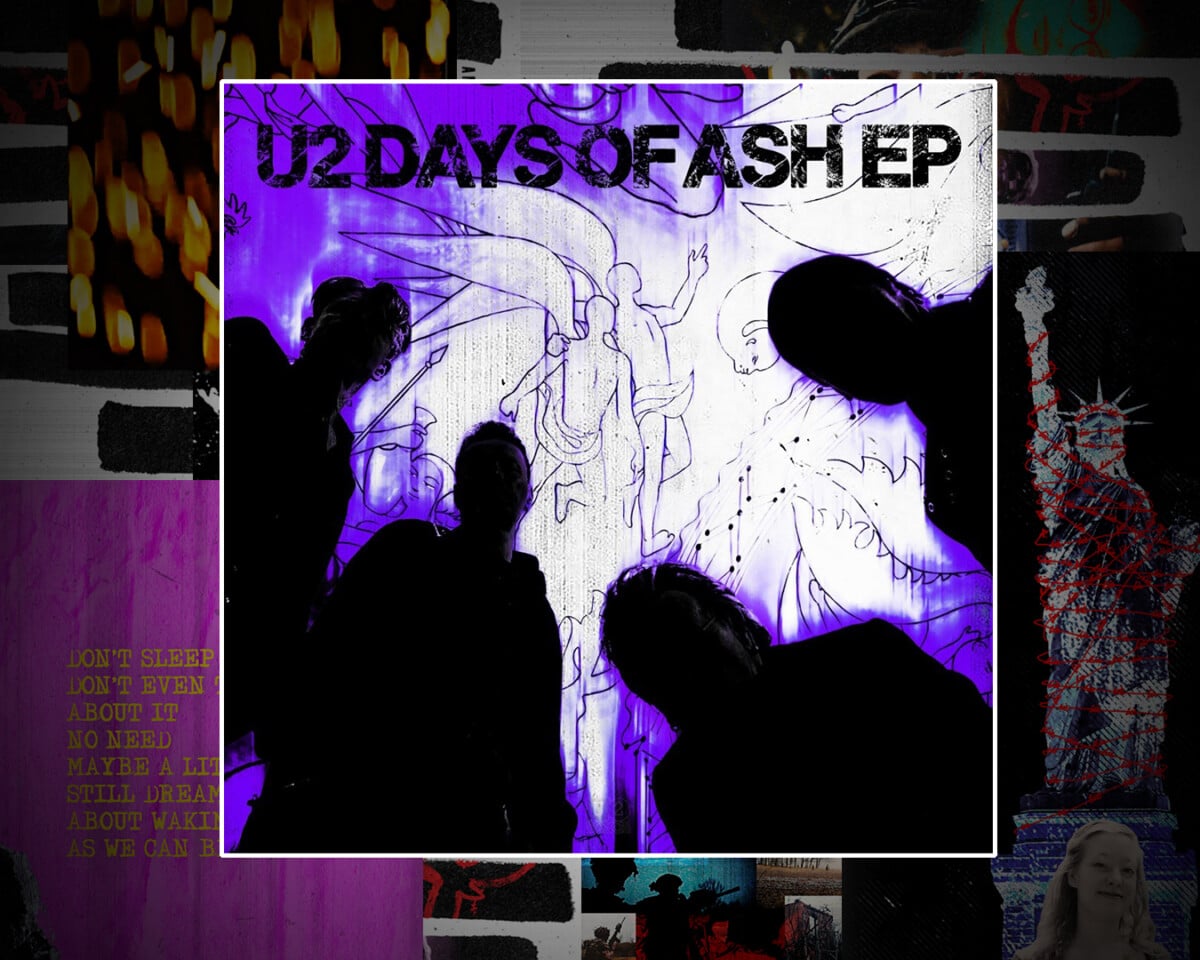
To little fanfare and scant marketing, Irish stadium behemoths U2 have surprise-dropped the Days of Ash EP, their first release of original material since 2017’s Songs of Experience.
Comprised of just six tracks, each cut aims to confront the different corners of contemporary conflict and state abuse by penning a song in honour of recently murdered Renée Good at the hands of the US’ Immigration and Customs Enforcement, Sarina Esmailzadeh’s fatal beating by Iranian security forces, and Palestinian activist and No Other Land consultant Awdah Hathaleen’s killing by Israeli settlers in the West Bank.
Elsewhere, Mali music collective Les Amazones d’Afrique’s Adeola performs a spoken word rendition of Hebrew poet Yehuda Amichai’s ‘Wildpeace’, and U2 manage to rope in Ed Sheeran with singer turned Ukrainian resistance fighter Taras Topolia.
“The songs on Days of Ash are very different in mood and theme to the ones we’re going to put on our album later in the year,” frontman Bono stated in the Propaganda U2 zine. “These EP tracks couldn’t wait; these songs were impatient to be out in the world. They are songs of defiance and dismay, of lamentation … because for all the awfulness we see normalised daily on our small screens, there’s nothing normal about these mad and maddening times and we need to stand up to them before we can go back to having faith in the future. And each other.”
He’s not wrong. The world is engulfed in some of the most devastating imperial and authoritarian violence witnessed in years, from ICE’s thuggish harassment of immigrants and peaceful protestors in the States to the Israeli Defence Force’s genocidal bloodshed meted out on the Gazan community. Coupled with the political paralysis to call out such atrocity across much of the Western world, some humanitarian appeals feel urgently needed more day by day.
It’s this fraught terrain U2 have strode in with characteristic earnestness. They always have been. From their earliest days muscling with the post-punk crowd, the band’s devout Christian faith – bassist Adam Clayton the secular atheist of the group – saw them creatively and thematically clamour at positive affirmations of the human spirit, guiding them across Live Aid, denunciations of the US’ dirty wars in Latin America, and championing a list as long as your arm of various charities and campaigns across the 1980s.
Yet, the cynics began to tire of Bono’s perceived messiah complex. As the years passed alongside dodgy tax practices and reports of flying his trilby hat first class, U2 began to loftily ensconce themselves into the establishment while queasily preaching about the perils of poverty and environmental degradation. Such political cosiness was revealed starkly when the band made an official statement on social media in the summer of 2025 regarding the Gaza genocide, after a full two years of deafening silence and filled with ‘two-sidesing’ analysis, ignoring the power imbalances as well as bafflingly referencing the band’s charity work.
It’s likely too little too late for the scores of longtime committed haters or alienated fans who cannot square their toothless thoughts on Israel’s murderous occupation, but Days of Ash tries to tentatively touch on the topic, which may trigger accusations of PR salvage by ‘One Life at a Time’s exploration of Hathaleen’s killing, an act Bono dubbed as “heinous”.
“The death of truth is the birth of evil,” Bono furthers. “I have confidence the righteous will rise up against this aberration. I have many dear conservative friends who are as worried about the far right as my democratic ones are worried about the far left. Surely the world needs a ‘radical centre’ that draws from both traditions.”
This is the eternal problem with U2’s brand of humanitarianism. It means nothing without challenging the systems that impose such evil, a system Bono has become far too comfortable dwelling in over the years. Somewhere, years ago, Bono was able to lyrically count dollar bills in an affected vocal ooze of a corporate fat cat on ‘Bullet the Blue Sky’s apocalyptic fever dream, where now he’s proselytising the merits of a “radical centre”.

Never Miss A Beat
The Far Out New Music Newsletter
All the latest New Music from the independent voice of culture.
Straight to your inbox.