


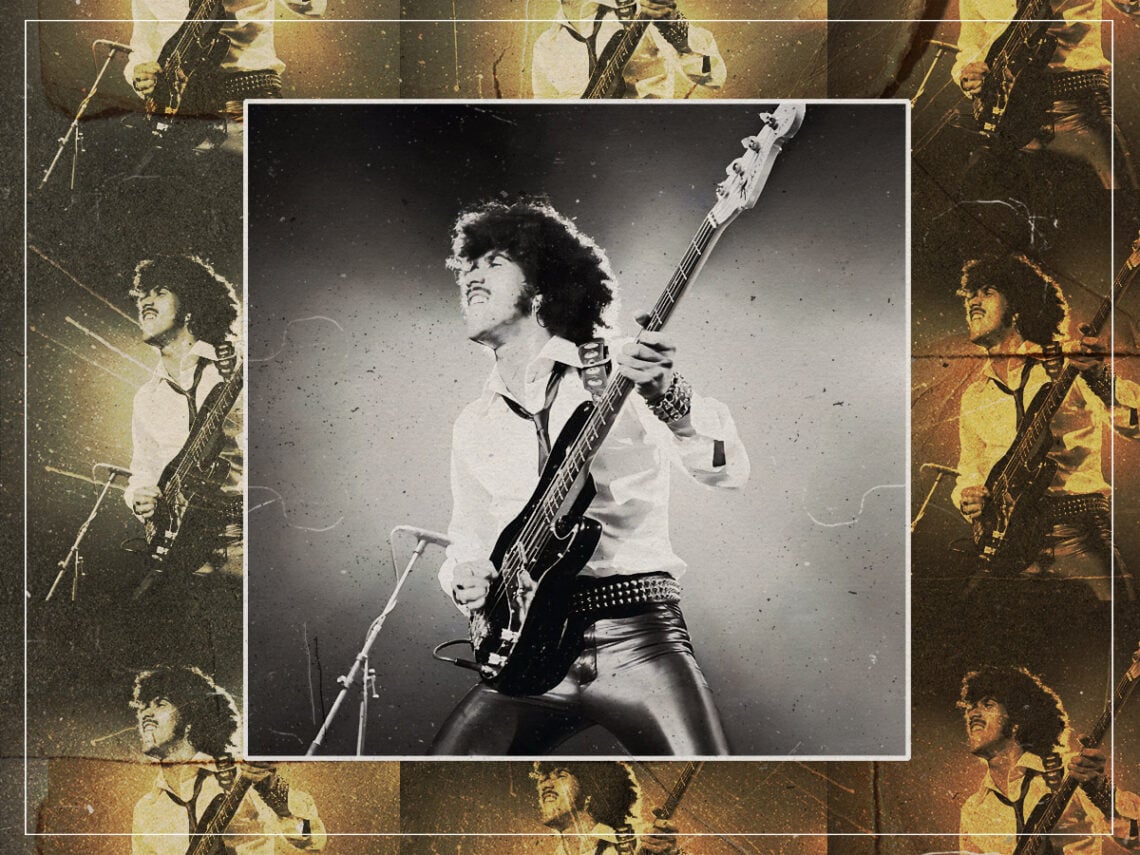
The disastrous first US tour of Thin Lizzy: “The usual tricks were used against them”

There’s nothing uncommon in a band going through their rough patches, but for the most part, you can imagine they hope to face those obstacles behind closed doors and away from the full glare of the spotlight. Unfortunately, that luck was never granted to Thin Lizzy, who, in the summer of 1979, unknowingly started out on a tour that soon descended into a stark threat to their legacy.
It was an unexpected and harsh fall for the Dublin band, as life had been pretty sweet up to that point. Celebrating the release of their ninth studio album, Black Rose: A Rock Legend, Phil Lynott and co were priming themselves to finally break America with their long-awaited tour across the Atlantic. But no sooner had they set off that the pillars of their rock and roll mansion came crashing down around them, all because of one flaky link in the chain.
Just as they were building momentum, guitarist Gary Moore exited the tour – and the band at large – with a sudden and dramatic flourish, allegedly in protestation over Lynott and fellow six-string counterpart Scott Gorham’s increasing drug habits. To say this left the rest of Thin Lizzy in the lurch would be a fairly mammoth understatement, so in order to save their collective bacon, drastic action had to come into force – and fast.
It is true that calm heads prevail in a crisis, and thankfully, Lynott possessed that inner zen sentience in abundance. He decided to take a leap of faith in a young guitarist he’d seen hailing from Scottish waters, though, to the rest of the world, it didn’t seem the most obvious choice at the time. But to this end, the frontman must also have carried a third eye to the future for someone who had the makings of a star, even if their career was only in its infancy. Midge Ure was as surprised as anyone to receive the call.
The later Live Aid impresario has since recalled being contacted by Lynott while he was at work in London. “He said, ‘Gary Moore is out the band. We’re doing this tour; could you come over tomorrow?’” Ure explained, then adding: “My initial reaction was, ‘You’ve got the wrong number. I’m not the guy you should be asking.’”
However, Thin Lizzy were undeterred, and Ure said: “I went back to my little flat and there was a plane ticket, a bunch of cassettes, a setlist and an itinerary saying, ‘A car will pick you up in the morning and take you to Heathrow.’ I found out they’d put me on Concorde, so I had no time to learn any of the songs!”
Even with a sturdy lineup back in place, that tour still wasn’t an easy ride. The stand-in man continued: “Lizzy were opening for Journey, meaning the usual tricks were used against them – withholding the full PA and having the volume halfway down. It’s what big bands do to perceived smaller bands.”
Nonetheless, they managed to persevere, which served Ure all the better for swooping in to save the day. Only a year later, he joined Ultravox, and his career was suddenly on a whole new par, never looking back on his days as an underconfident rookie. Thin Lizzy’s tenure may not have lasted much longer, but he has that short-lived original lineup to thank for granting him a whole new world of rock chances.
