


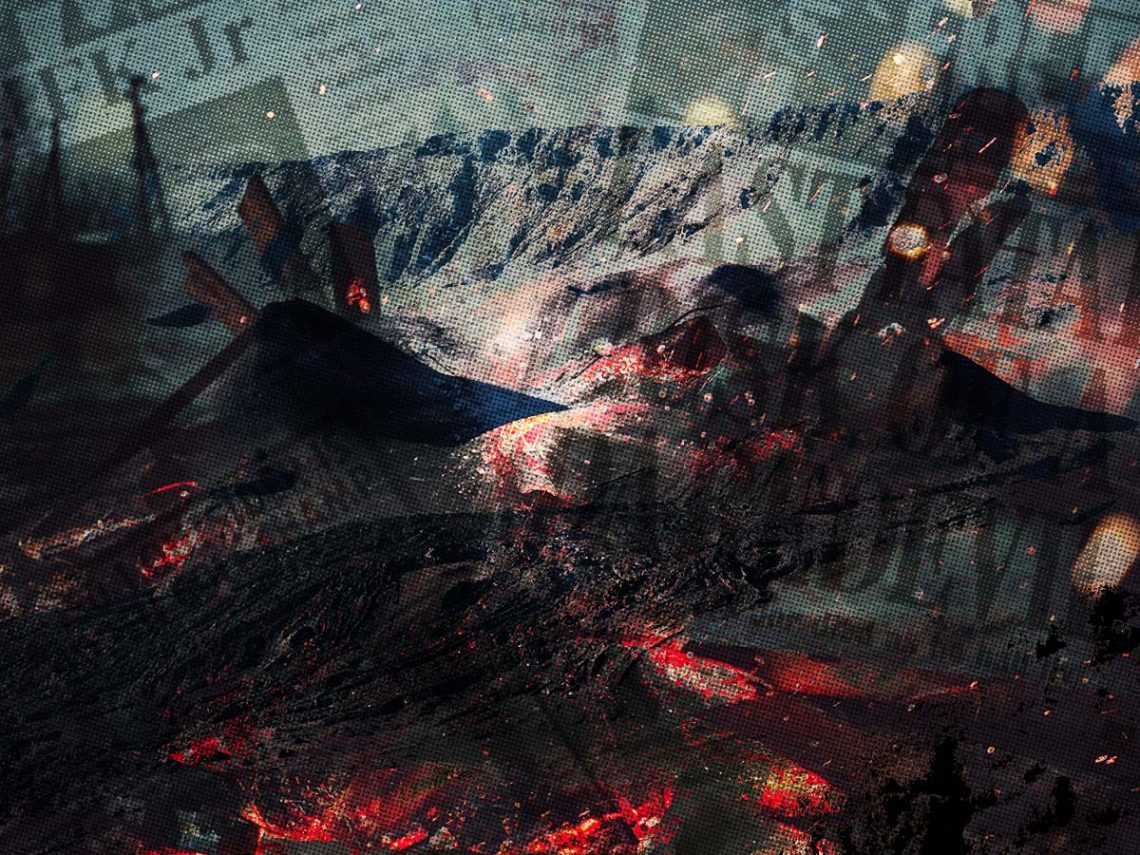
All press is good press: The disastrous art experiment that changed the world forever

The internet can often seem like an inconsequential void. With ardent libertarians like Elon Musk at the helm of the most influential platform, stars espousing controversies on the day of album releases, and a thousand other manufactured headline-hitting follies, the adage ‘all press is good press’ seems more apt than ever. In fact, it seems far more apparent than the contrast of the so-called cancel culture. Over in Latvia, a small group of ‘professional creatives’ were ahead of the curve on this front.
When Tele2 was launching a new mobile phone tariff in Latvia, they decided to contact a local marketing agency to cook up a grand idea. The budget was as large as it had ever been, and Tele2 had high hopes for something ‘spectacular’—something that tapped into the zeitgeist of flash mobs and cultural fads like Rickrolling and various other pan flashes of the internet age. Naturally, this put a lot of pressure on the agency.
Everything that they had thought of so far in their bean bag suite had flopped. Tele2 came back to a range of daring ideas with a big, fat no. Panic set in. Would the eureka moment prove elusive and condemn this fledgling agency to the ash heap of history? As it turns out, bolts from the blue and ash heaps were exactly what struck them. They would, as mad as it sounds, stage a meteorite landing.
The plan was as simple as it gets, provided you take simple to mean “a complex folly with seemingly no real resolvable end goal” on this occasion. They would sneak out to a field near the Estonian border under the cover of darkness. They would then dig a giant crater, set fire to it, summon the Latvian media, whip up a whirlwind of hype, and then reveal that it was all a hoax for a new Tele2 tariff. We shall get to the burning whys and wherefores of the plan, which are no doubt angrily cascading through your rational mind, later.
The creatives reached out to a special effects expert. He was contracted to help them create realistic-looking lava. After weeks of digging a crater in the middle of nowhere, the time had come to fill it with lava and set it on fire. Then at 17:30, they would ring the Latvian media with a strange report. The hole was roughly two hours from the capital, so by the time they arrived, the site would be fully ablaze with a sprinkling of Baltic stars in the same firmament from whence this great meteorite came. Something truly cosmic would greet them.
It looked almost too good. You see, Latvia as a nation had been beset by centuries of Teutonic, Swedish, Polish-Lithuanian and Russian rule. It wasn’t until 1991 that de facto independence was declared. In the intervening years, it strived for autonomy and an identity that neighbouring giants couldn’t impeach. This epic beacon amid the humble rolling landscape of a country once besieged, now in the midst of dignified development which had suddenly hit a crash, was so mystic and awesome that it seemed like an autocratic approval from the universe for those gathered around, agog—in awe. Subsumed by the hype and majesty, this was the greatest thing many had ever witnessed.
It was magical. It was also a hoax. To put it in less of a geopolitical manner, imagine, if you will, struggling away for aeons to afford a lottery ticket, finally being given one, winning, only to be told you had been tricked… and then the trickster saying, ‘But check out this fantastic new tariff.’ As it happens, a fake lottery ticket would’ve been far less problematic.
A meteorite strike requires an investigation. It requires fire engines, health experts, and the military. It conjures panic in the government as they wonder whether it was some sort of rocket strike. There is environmental damage to the local area. Journalists swarming to the scene succumbed to injuries and ruined clothes as they traipsed over a mile of muddy fields. The fire engines got stuck and had to be towed, people worried about the potential of toxic gasses or radiation being emitted, and dreamers wondered whether they might contract superpowers.
This was 2009, and the economic crash had cast hard times worldwide. An austerity budget had just been announced. Summoning the military was a costly expense. When those stern folks arrived, suddenly, doubt set in on the part of the creatives. They would leave it until the next day to tell everyone it was fake. At a press conference, they were hit with inevitable questions about people in dire need calling the fire brigade only to discover they had become trapped next to what was, essentially, a large ashtray.
The most damning critique of all came the next day in the newspaper. One of the creatives was leafing through the scathing report in the national newspaper when he happened upon a quote that read, ‘What kind of mother brings up such idiots.’ He read the name attributed to the quote; it was his own mother. She was commenting on the incident without knowing her own son was behind the hoax.
Latvian Interior minister Linda Murniece accused Tele2 of a “cynical mockery” and cancelled all government contacts with the firm, stating: “The Interior Ministry doesn’t want to do business with a firm that promotes itself at our expense.” Tele2 were delighted. The hoax was one of the biggest stories of the year. The tariff deal was mentioned in all the reports, and no matter how condemning they may have been, nobody can deny a great deal, particularly amidst an economic crisis. Business boomed for both Tele2 – who ran out of sim cards – and the creatives won a slew of contracts and awards.
Objectively, it was a disaster. There are no two ways about that. The snooty among you might claim that if something eventually achieves the desired effect, then how can it have been a failure? Well, you simply have to compartmentalise the two and accept that result and eventuality are sometimes mutually exclusive.
By rights, there could’ve been a boycott of Tele2. Charges could’ve been pressed against the agency. They could’ve succumbed to financial ruin and contravened national law. All hypothetical, of course, but in another time and another place, fate could’ve easily tipped the scales towards a sustained disaster rather than a folly that somehow fluked its way to achieving its purpose.
That same window of potentially turning a mistake into a windfall opens itself up more often than not on the increasingly libertarian highway of the internet. Ridiculous fashion shows often hit the headlines and share brand names far and wide, but when was the last time a lovely new pair of slacks went viral?
If something is notable, it can’t simply be ignored. It gets the algorithms engaged, and then bipartisan engagement is triggered. Likewise, our connectivity and need for immediacy mean that often people don’t have time for necessary due diligence. When compared to a lot of the ‘hoaxes’ that have unfurled thereafter, this meteorite incident was relatively benign and clever. Still, it certainly opened the door to a more insidious world of falsehoods, fake news and flash marketing.
