


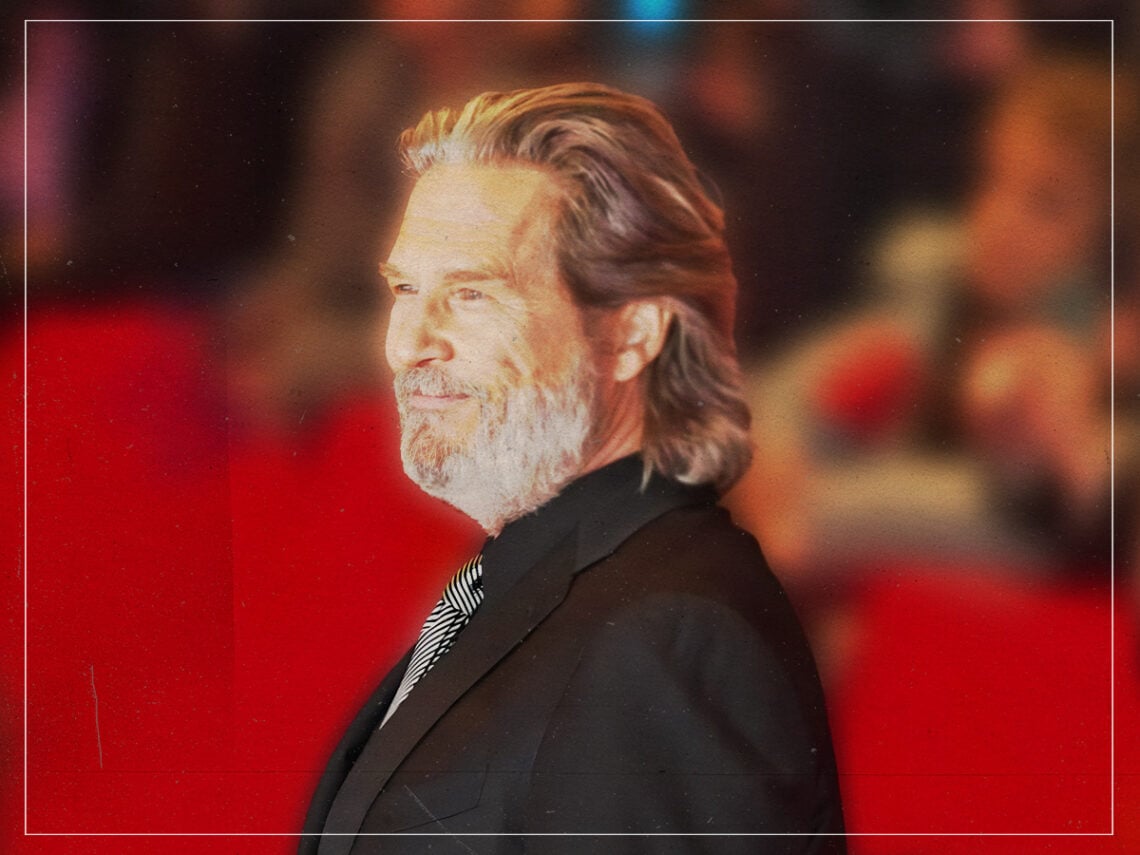
How Clint Eastwood helped Jeff Bridges overcome his insecurities

Jeff ‘The Dude’ Bridges is not an actor you’d associate with insecurity. Both of his parents are esteemed actors, so Bridges became familiar with the madness and many nuances of the Hollywood world from a young age. After touring with his father at the age of fourteen and practically growing up on set, his childhood has a startling similarity to the plot of Almost Famous—diving head-first into the thing and embracing the chaos of it all.
After a few more minor roles on daytime TV movies, Bridges acted alongside Cybill Shepherd and Timothy Bottoms in Peter Bogdanovich’s The Last Picture Show in 1971, which skyrocketed his career to new levels at the age of just 22, earning him an Oscar nomination for ‘Best Supporting Actor’ and creating the foundation of the persona that you’d associate with a Jeff Bridges character – mellow, a little bit reckless, and effortlessly charming.
After having established himself within the industry by his early 20s and having an Oscar nomination under his belt, the world was his oyster. But his unwavering appearance of relaxation was shaken when he was asked to act alongside Clint Eastwood in Thunderbolt and Lightfoot, directed by Michael Cimino.
Cimino could not have had a more different introduction to the film industry. After initially studying painting and then architecture at Yale, his initiation into Hollywood happened rather suddenly. After beginning his career as a commercial director, he became known for his dreamy visuals and meticulously constructed sets, often taking days on end to build them himself, with an obsessive attention to detail that became the trademark of his style. However, Cimino had tried his hand at screenwriting and wrote the first draft of Thunderbolt and Lightfoot, and Clint Eastwood took a leap of faith on the project, and later that year, it became his directorial debut.
The prospect of acting alongside Eastwood had shaken Bridges, unsure if he’d be able to stand his ground next to the father of the spaghetti western, an actor who had shaped the landscape of American cinema as we know it. Bridges stated, “I was in my early 20s, and I was very insecure and anxious. The day before shooting started, I told Mike, ‘If you wanna fire me, I won’t blame you.’ He looked at me and said, ‘You know the game of tag? Well, you’re it.’ Now, whenever I’m in a situation I don’t think I’m up for, I think, ‘Tag, I’m it.’ You’ve just gotta do the thing, man.”
Cimino is no stranger to taking risks and is famous for both hugely commercially successful films like The Deer Hunter as well as the notorious bombing of Heaven’s Gate, a film that lost the studios $37million. Cimino himself spoke about the “great trauma” of the film’s critical failure and how, since then, he was unable to make the films he really wanted to make.
But ultimately, that’s what this entire business is about. A circle of risk-taking. Eastwood took a leap of faith with Cimino on his first feature, and Cimino did the same with Bridges. And perhaps in any creative endeavour, a bit of fear is necessary: to take the leap and just make the thing.

Never Miss A Tale
The Far Out Clint Eastwood Newsletter
All the latest stories about Clint Eastwood from the independent voice of culture.
Straight to your inbox.