



The director who called Steven Spielberg a “confectioner”

Steven Spielberg might be the most commercially successful filmmaker in the history of cinema, but that doesn’t mean that everyone’s a fan.
You can’t deny that he shaped modern Hollywood with his breakthrough film Jaws back in 1975, its success essentially spawning the very concept of the modern summer blockbuster. The industry was never the same again, and as James Cameron rode this blockbuster wave with Star Wars, Spielberg then jumped onto this new sci-fi craze, first with Close Encounters of the Third Kind, and then, of course, with ET the Extra-Terrestrial.
Spielberg just seems to know what audiences want every time, and across the decades, he has delivered some of Hollywood’s biggest hits, from the Indiana Jones franchise to Jurassic Park and Saving Private Ryan.
Whether he’s tackling dinosaurs and aliens or racism and the Holocaust, the filmmaker has always brought a level of accessibility to his stories that has allowed widespread audiences to connect with his narratives and his characters, although not everyone is so keen on his approach.
The director has been met with his fair share of detractors over the years, like Austrian filmmaker Michael Haneke, who thought that Schindler’s List was a poor excuse for a movie. “The idea of creating entertainment of this,” he told The Hollywood Reporter, “The mere idea of trying to draw and create suspense out of the question whether out of the shower head, gas is going to come or water, to me is unspeakable.”
Unfortunately for Spielberg, some other impressive names have also criticised him over the years, like Jean-Luc Godard, who said, “I don’t think his films are very good”, and Jacques Rivette, who simply called him an “asshole”, but then there’s Alex Cox, who sees Spielberg as nothing more than a “confectioner”, which is pretty brutal.
But he has a point. Cox rose to prominence with his sci-fi comedy Repo Man, complete with a flawless punk soundtrack, which he followed with his indie feature Sid and Nancy. Throughout the ’80s and the ‘90s, when he wasn’t presenting Moviedrome, he moved between satirical westerns and crime dramas, even co-writing the screenplay for Fear and Loathing in Las Vegas. Incorporating his love for punk into his filmmaking style, Cox has certainly made some odd choices, but it feels like he’s always sticking to his guns, no matter how strange into Repo Chick territory it gets.


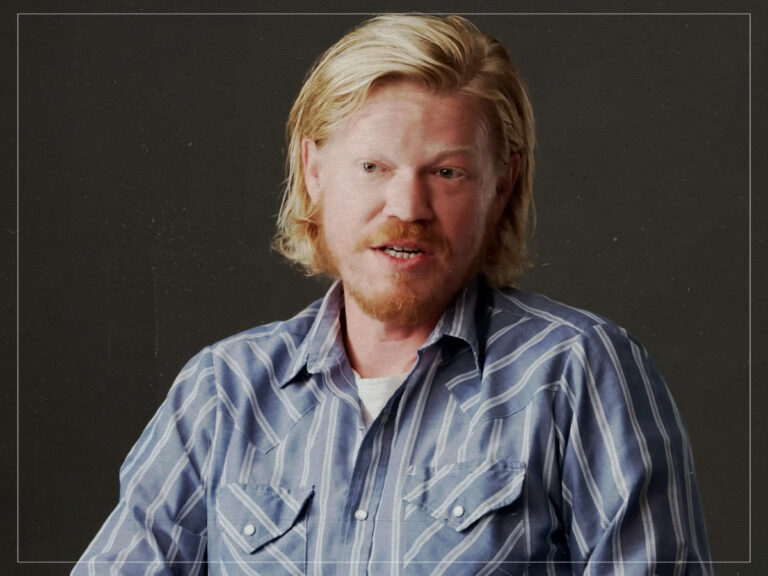
When he looks at Spielberg’s films, he sees emptiness, for the Hollywood icon makes spectacles, above all, often prioritising audience manipulation while ensuring that his movies are as inoffensive as possible. “Spielberg isn’t a filmmaker, he’s a confectioner,” Cox said, believing that this kind of filmmaking, the kind that keeps the cog in the Hollywood money-making machine turning, isn’t true cinema.
Sure, Spielberg might be infinitely more successful than Cox ever has been or will be, but does that really matter? Success can be measured through profit and popularity, but what is truly important is making movies that push boundaries and bleed with authenticity, and that’s not something you can really say about much of Spielberg’s work post-Jaws.
