


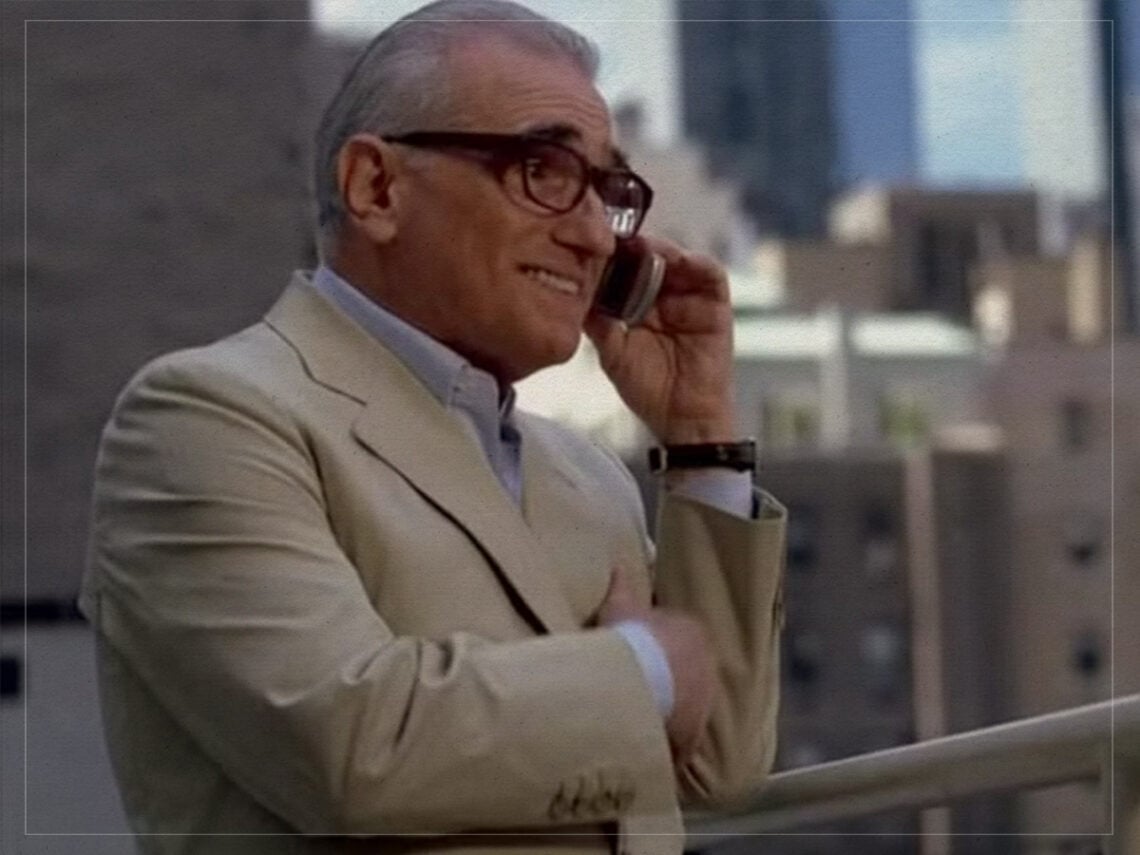
The 21st-century director Martin Scorsese considers a modern master: “Anything this guy does, amazing”

When Martin Scorsese began making movies, he found himself working alongside several other like-minded filmmakers like Brian De Palma and Steven Spielberg, as part of this new wave of American cinema, dubbed New Hollywood.
These filmmakers often helped each other out, even introducing one another to actors or assisting in the post-production process of a film. The atmosphere wasn’t one of strict competition, of vying for Oscar glory. Rather, these directors wanted to see each other transform cinema, and that’s not a task that one person could do alone.
This is a sentiment that Scorsese has carried with him throughout his career, always championing the works of others, whether that’s long-dead classic filmmakers or up-and-comers. He simply likes to bask in the excitement of filmmakers doing something different.
That’s why you’ll see Scorsese, a lot more than other directors of his calibre, drawing attention to other filmmakers with every chance he gets. He has made documentaries about filmmakers like Michael Powell and Emeric Pressburger, while a pretty epic documentary was released by Scorsese in collaboration with the BFI in 1995, entitled A Personal Journey with Martin Scorsese Through American Movies. He could talk about cinema forever.
When it comes to modern cinema, though, he can acknowledge that the landscape has significantly changed. With the Marvel superhero phenomenon of the past 20 years, Scorsese has been vocal about the way that such soulless cash-grabbing franchises are destroying cinema, comparing the MCU to theme park attractions. He seems to have lost a certain amount of hope, seeing these films as a degradation, an insult to the pure cinematic art form.
Of course, he’s not totally disillusioned. When it comes to current filmmakers who impress Scorsese, there’s one in particular who stands out. It seems like Scorsese is a big fan of a lot of horror-oriented filmmakers who are making impressive new forays into the genre, like Ari Aster and Ti West. Then there’s Robert Eggers, whose latest film, Nosferatu, really won Scorsese over.
“It’s amazing. Anything this guy does, amazing,” Scorsese told Turner Classic Movies, “That’s one film you don’t do much after seeing. You’re still in the world. You’re in Transylvania”.
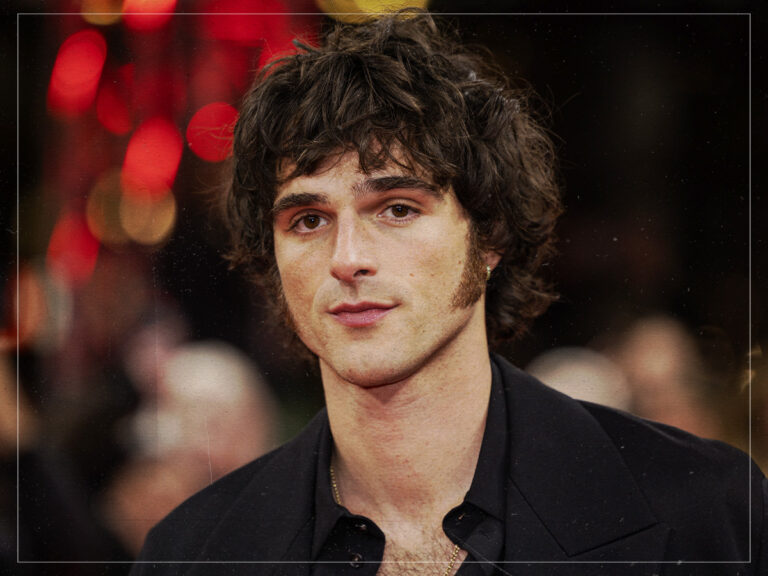


Eggers has swiftly become one of the leading filmmakers of his generation, with his debut, 2015’s The VVitch, receiving acclaim as part of a new wave of 2010s horror. Emerging among the likes of Get Out, Hereditary, and The Babadook, these films felt like a turning point for modern horror; the grittiness of his movie really basks in paranoia and suspicion rather than jump scares or excessive gore.
Following it with The Lighthouse, The Northman, and then, of course, Nosferatu, Eggers has built up a solid repertoire centring around pretty dark visions of humanity, always executing them with a decisive and striking visual style. It’s no surprise that his work has captivated Scorsese, because, above all, it is so immersive. When you watch one of Eggers’ films, you’re transported to a completely different time period, and, as Scorsese says, it takes a lot to shake you out of it.
