


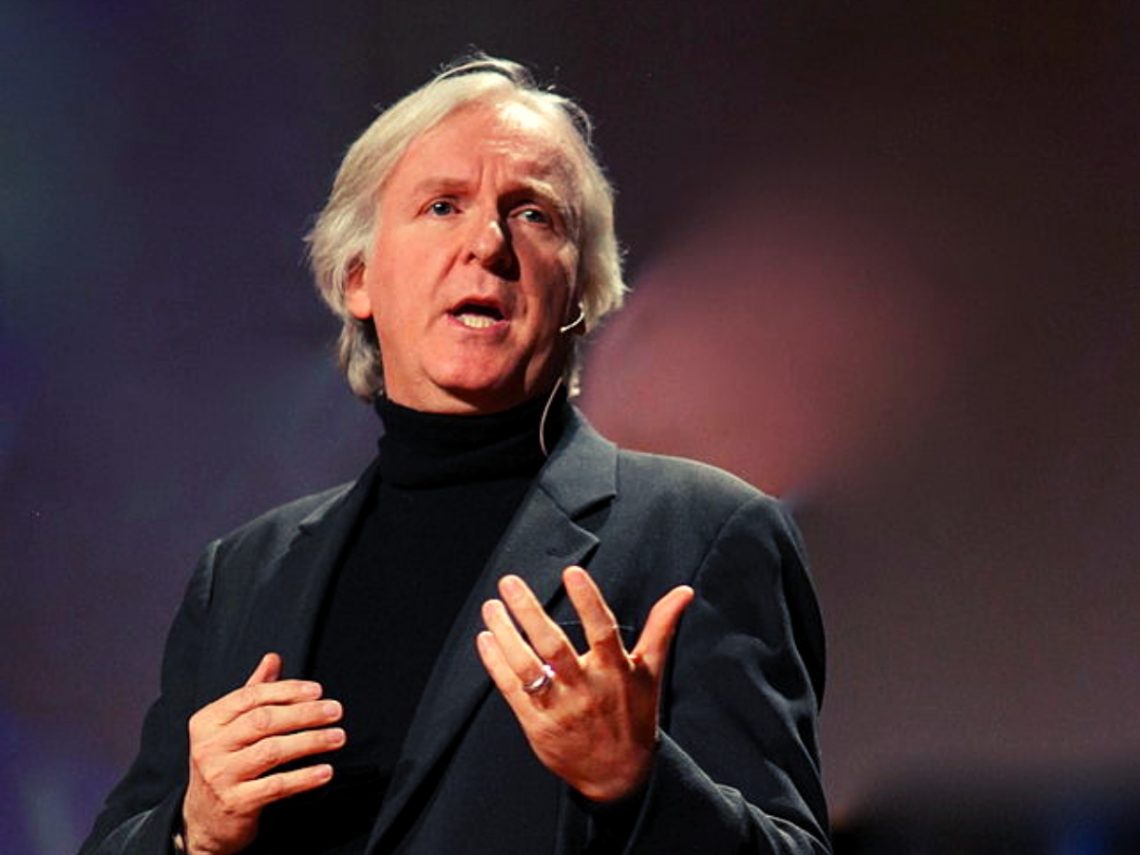
The director James Cameron said “inspired an entire generation”

The New Hollywood movement ushered in an innovative way for burgeoning filmmakers to approach cinema, with directors like Martin Scorsese, Francis Ford Coppola and Brian De Palma transforming popular cinema. As a result, filmmakers such as George Lucas and Steven Spielberg rose to prominence with blockbuster hits like Jaws and Star Wars.
While these movies directly resulted from the New Hollywood movement’s championing of bold, daring ideas, branching away from the dominance of studio systems in favour of auteur-led filmmaking, the widespread success of these projects resulted in a return to studio-led domination. Star Wars was the highest-grossing movie ever made at the time of release, signalling to studios that epic productions were the way forward to earn mind-blowingly high profits.
Since then, blockbusters have become the norm, with James Cameron becoming one of the most successful directors to helm these large-scale productions. With credits such as The Terminator and its sequel, T2: Judgment Day, Titanic and the Avatar franchise, Cameron has secured his place as the second-highest-grossing director of all time.
Cameron rarely does things by halves, as productions such as Titanic and Avatar suggest, although his hard work almost always pays off. He has won three Academy Awards, alongside many other prestigious accolades. The Canadian director has shaped the landscape of modern cinema with his massively popular movies, which utilise revolutionary special effects and large-scale sets.
However, Cameron’s career might not have been made possible if not for Ridley Scott, whose 1979 movie Alien was an important influence on the director. Cameron even directed the sequel, Aliens, in 1986.
Talking to Vulture, Cameron explained, “Ridley did the first film, and he inspired an entire generation of filmmakers and science-fiction fans with that one movie, and there have been so many films that stylistically have derived from it, including my own Aliens, which was the legitimate sequel and, I think, the proper heir to his film.”
Although he believes that “the franchise has kind of wandered all over the map,” he still sees Alien as an incredibly important addition to the sci-fi canon and cinema as a whole. Discussing his decision to take on Aliens, he said, “I sort of did it as a fanboy. I wanted to honour his film but also say what I needed to say. After that, I don’t take any responsibility.”
For Cameron, Scott will always remain a vital influence over his work. “I will stand in line for any Ridley Scott movie, even a not-so-great one because he is such an artist, he’s such a filmmaker. I always learn from him.”
