


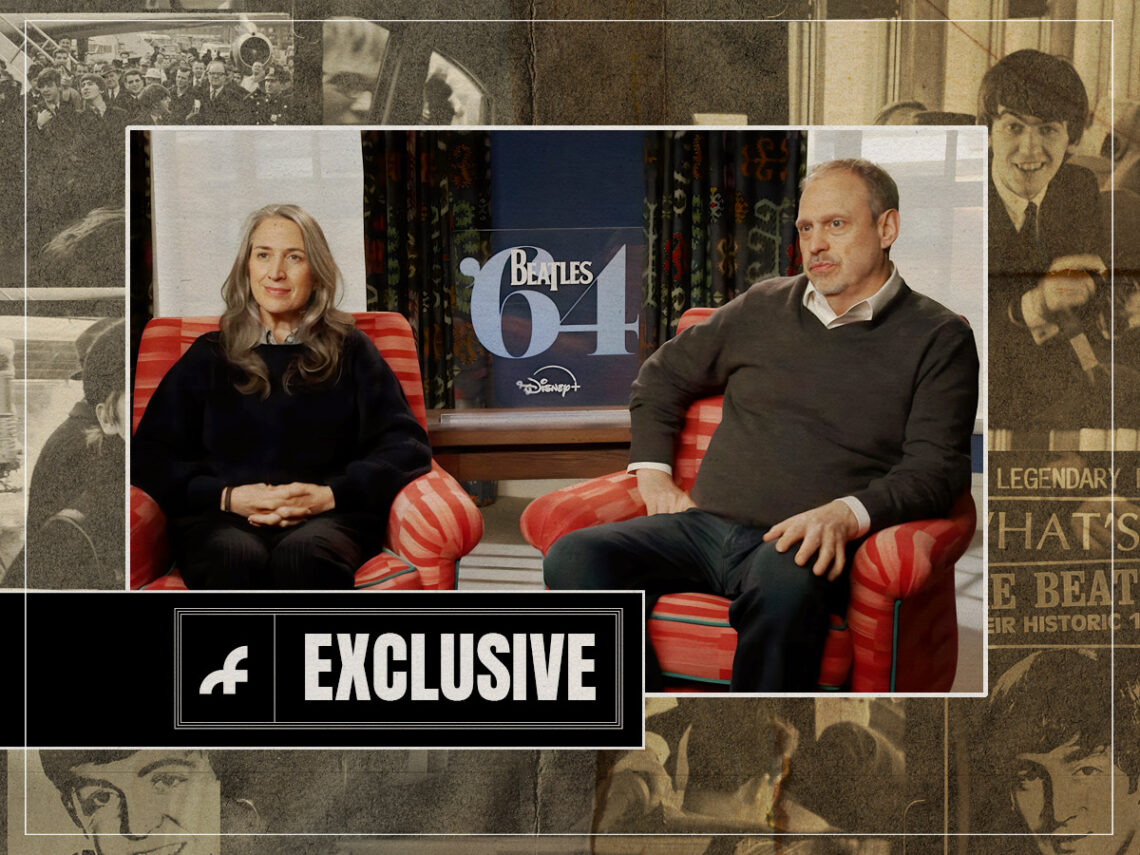
Director David Tedeschi on why now is the perfect time to explore The Beatles 1964 tour

It has been 60 years since The Beatles touched down in America for their 1964 tour of the States. Only a few months prior, in February of that same year, their appearance on The Ed Sullivan Show had made them stars on that side of the Atlantic to match the frenzy that followed them back home. In an instant, Beatlemania took hold – but why should we care about that now?
Decades on, it’s a valid question to ask. However, interest in the Fab Four seems unending. Day after day, year after year, new articles are posted about their first, new films are released about their lives, new old archival footage is dusted off and repackaged, handed out to an ever-growing mass of eager hands, and even today, the group gains more and more new fans from younger generations. Arguably more so than any other living artist, people want to know more and more about the Beatles.
That’s part of the reason why the band’s 1964 tour was so interesting to director David Tedeschi as he set about making the new documentary Beatles ‘64 alongside Martin Scorsese as a producer. “You have these four guys, from the point of view of an American, four guys who came out of nowhere,” Tedeschi told Far Out of the historical moment. This really was the tour when The Beatles were being introduced to America. The film is packed with interview clips of the band talking to the press for what would’ve been some of their earliest inclusions in American media. So, as the world still hungers to know them, going back to the moment when they first introduced themselves isn’t a bad place to start for a new generation of fans.
But mostly, what stood out to Tedeschi and to producer Margaret Bodde was the odd symmetry of the world in 1964 and the world today in 2014, and the way The Beatles, and music at large, plays in helping during hard times.
When the film begins, it takes a beat before the band is even on screen. Instead, the documentary contextualises them against the state of America: the ongoing civil rights movement, movements for sexual liberation and feminism, the birth of the teenager and then, importantly, the death of JFK, which sent a group who previously felt on the verge of positive change, into a state of shock and mourning.
“It came on the heels of one of the great national tragedies in our country,” Bodde said of the tour. To her, any discussion of the tour can’t be removed from that. “These musical events happen, and a lot of times they’re strung together like this highlights reel, but everything happens within a context of the mood of a nation and other things that are going on culturally,” she explained. The mood at the time was one of sadness, not just for the loss of JFK but for the future he represented as a more liberal president who seemed focused on supporting and building a brighter, fairer tomorrow. The assassination of the man felt to many like the assassination of that hope.
It feels apt that during Far Out’s conversation with the directors, America is still reeling from the re-election of Donald Trump. The fear for the future that seemed to follow JFK’s death in 1963 feels reminiscent of the mood felt by liberal Americans in 2024 as they fear for access to healthcare, rights for women and minority groups and the basic levels of tolerance and safety in the country under a deeply conservative rule. Hearing them talk about “this tragic event that causes the country to fall into this kind of gloom” feels deeply prescient today.
“Then the Beatles come,” Bodde says as if the band parted the clouds. It might seem like an exaggeration, but they kind of did. After a gloomy news period, the arrival of the buzziest band on earth was a jot of joy and excitement that the country desperately needed. Suddenly, the media picked up again, reporting on happier things and giving young Americans something to hook onto and be thrilled by, helping them look beyond worrisome politics.
For Tedeschi, the joy and optimism the band not only represented but also felt back then was exactly why this 1964 tour caught his intrigue right now. “This footage captures this unbelievable moment at the beginning when they’re so optimistic and young and enjoying themselves and can’t quite believe what’s happening, which is this unprecedented success,” he explained, his face lighting up just talking about it.
It was a mutual moment where The Beatles and their fans were totally in tune and sharing in a state of total excitement and disbelief. As the band became idolised, the four members were touching down in the land of their own idols. As Tedeschi said, “America was, I think, almost mythical for them. Most of their musical heroes were American, you know, and that was part of coming to America.”
While later down the line, the band would stop touring due to anxiety; all of that is held off here. Instead, what viewers see is pure and simple joy, and according to Tedeschi, “What you see is just four young guys having the time of their lives, reaching unfathomable success.”
The story of young success and pure excitement cutting through a background of political pessimism and collective fear is one we need today. We may be 60 years down the line, and The Beatles may no longer be able to put on some shows to cheer up a nation, but around the world, there will forever be a constant stream of new acts with the potential to do so – that’s why Beatles ‘64 feels so appropriate for today.

Never Miss A Beat
The Far Out Beatles Newsletter
All the latest stories about The Beatles from the independent voice of culture.
Straight to your inbox.