


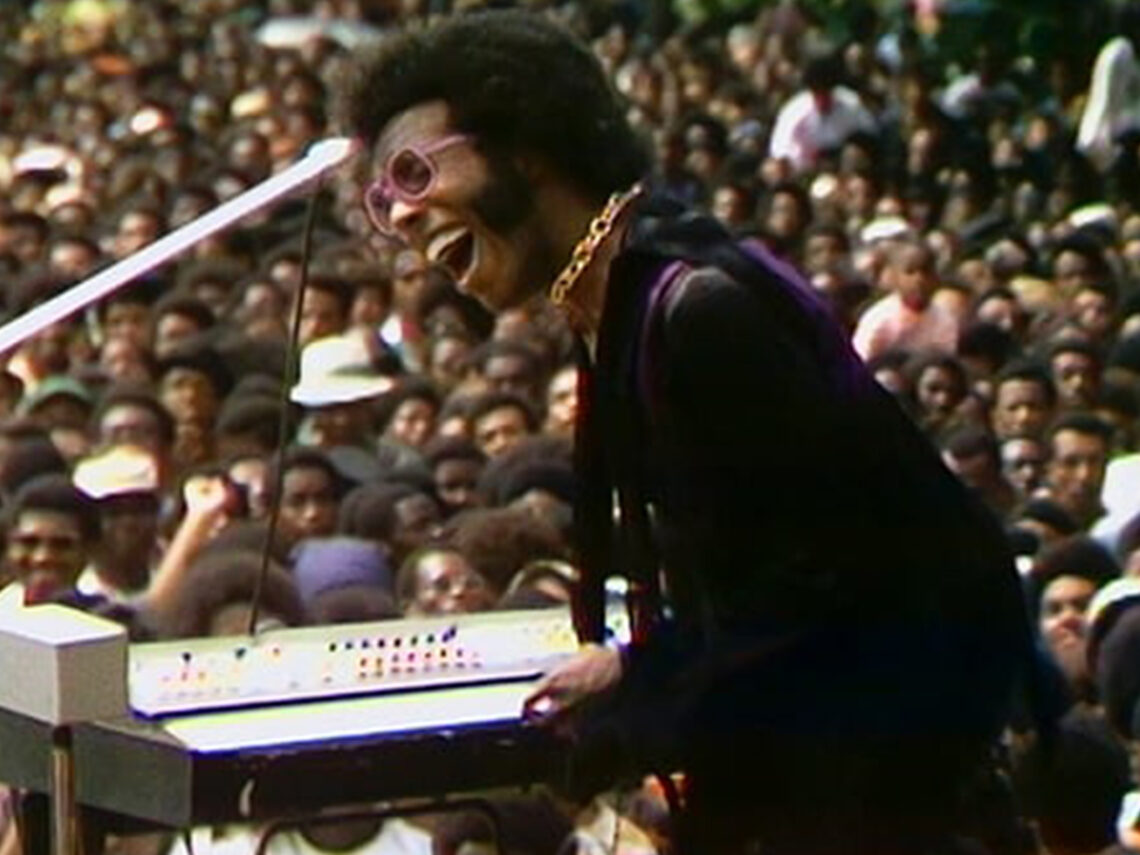
“You take the acclaim”: Did Sly Stone have any regrets?

The music world was rocked recently when news broke that Sly Stone, the funk pioneer behind the band Sly and the Family Stone, had died. The cultural and musical impact of Sly Stone can never be understated. Simply put, without him, music today would look a lot different. He was responsible for breaking boundaries and changing the way people viewed genres, style and race.
“After a prolonged battle with COPD and other underlying health issues, Sly passed away peacefully, surrounded by his three children, his closest friend and his extended family,” said his loved ones in a statement they shared. “While we mourn his absence, we take solace in knowing that his extraordinary musical legacy will continue to resonate and inspire for generations to come.”
The life of Sly Stone was a complicated one. While being a musical genius and innovator, he also struggled with addiction and went through tricky periods with his bandmates and family members. He made friends, fell in love, fell out of love, lost friends, inspired people, and disgusted others, all within the span of a few decades. Throughout his 82 years on this celestial body called Earth, he lived more lifetimes than any layman could achieve in 1000.
One person who knows how difficult it is to make sense of the life of Sly Stone is Questlove. He is responsible for the documentary Sly Lives: The Burden of Black Genius. When putting together the documentary, he spoke about missing the deadline and why he was struggling so much to accurately tell the story of such an influential musician.
“It’s a hard story to tell. I want to get rid of the troubled drug-addict genius,” he said. “We never ask ourselves, ‘Why do we self-soothe on cocaine? Why is this person a sex addict? Why does this person get drunk a lot?’ There’s a lot to unpack there, especially for Black artists.”
It seems he has made more sense of Stone’s life after putting together his documentary. In a moving tribute on social media, Questlove managed to boil the point of Stone’s music down into one well-written paragraph. “His songs weren’t just about fighting injustice; they were about transforming the self to transform the world,” he commented. “He dared to be simple in the most complex ways — using childlike joy, wordless cries, and nursery rhyme cadences to express adult truths. His work looked straight at the brightest and darkest parts of life and demanded we do the same.”
When your life has been as haphazard as Sly Stone’s, you can’t help but look back on it and have some regrets. At the same time, Stone wasn’t the kind of person to dwell on them. The way he merged genres made him one of the biggest rock stars in the world, taking to the cover of magazines that usually had no overlap and bringing together audiences from different backgrounds, all sharing the same intention of dancing to the music and being moved by it. He knew he had done well, he knew he had done poorly, simply put, he had been human. He had been himself.
The question was put to him bluntly during an interview in the 2010s, and it forced Stone to look back on the band, the fallout, and whether there was anything he could have done differently. The short answer: yes. The longer answer: probably not, actually. “People get boyfriends and girlfriends, they start acting differently,” he said. “If you’re the leader, you take the acclaim, you should take the blame […] Do I have any regrets? Shit, yes, I have regrets. I just can’t think of one now.”
In the same interview, Stone showed off his sense of humour and healthy attitude towards what had been a complicated life. When he wanted to wrap things up, he brought back the question about regrets and left the interviewer with a piece of his worldly wit. “Have I talked to you enough now? I’ve got to go to the bathroom. You asked me about regrets,” he concluded. “If I don’t take a big shit now, I’ll regret that.”
