


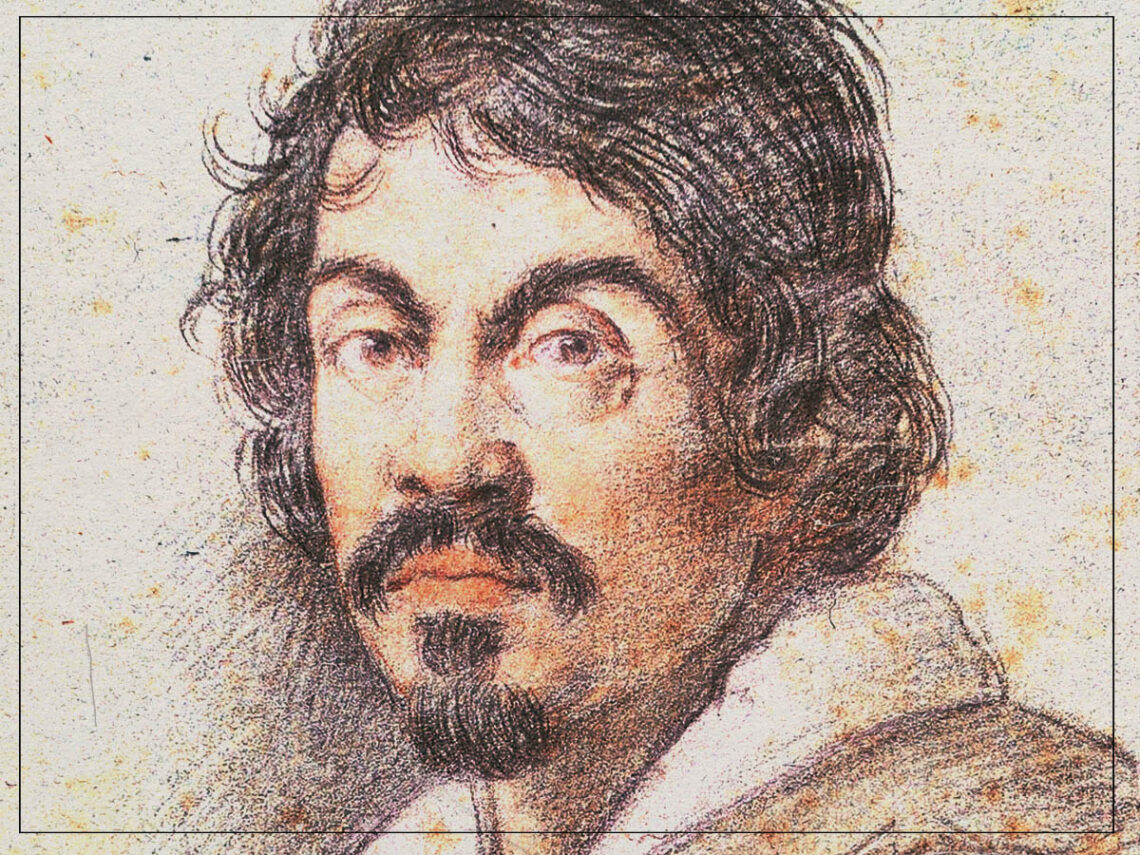
Did Caravaggio really live life on the run?

In light of recent events, it’s worth asking: what in God’s name is wrong with male artists? It seems like every day, some horrific truths come to light about the men responsible for some of our most beloved works of art. The truth is, though, not only do we now have to put up with legions of bootlicking arseholes online gaslighting us into believing that these monsters are innocent, but we now also have to go into history and wonder about our heroes of the past. Because the one thing this isn’t is a modern phenomenon. Case in point: the story of Caravaggio.
This Italian painter is known as the ‘Godfather of the Baroque’ movement. His skill with depicting light and shadow, along with his evocative, sometimes unflinchingly violent imagery, almost singlehandedly dragged Italian art kicking and screaming out of the Renaissance period. The man was and still is a titanic figure of the art world. Of whom no less a figure than André Berne-Joffroy said, “What begins in the work of Caravaggio is, quite simply, modern painting.” He was also mad as a post-box of crocodiles and twice as likely to try to kill you.
It’s true. We’re going way beyond mere cancellation here and straight into the fact that, if reports of the time are accurate, Caravaggio killed a man and maimed several others. Born Michelangelo Merisi in 1571, Caravaggio grew up in Milan before moving to Rome in 1592. If reports of the time are accurate, this was because he’d begun making a name for himself as a painter and wanted to seek his fortune. It was also reportedly because he’d stabbed a police officer.
This checks out since Caravaggio was as fond of swaggering around town with an unlicensed sword as he was painting, and painting was his entire life and livelihood. Fittingly for a man so obsessed with showing off his prowess with his (ahem) sword, he also had thinner skin than your average soap bubble. No sooner had he settled in Rome as an apprentice painter than he got into the kind of rivalry with fellow painter Giovanni Baglione that makes Kendrick and Drake look like the Care Bears.
After a Baglione altarpiece wasn’t well received, Caravaggio took an almost comical degree of relish in rubbing a professional rival’s face in it, further corroding his reputation. He wrote some poems about Baglione’s wife that are shockingly cruel even by the standards of today’s trolls, and he ended up getting thrown in jail for a fortnight for libel. Fortunately, Baglione wouldn’t have to put up with this violent bully for very long, as soon enough, Caravaggio had to make another quick exit.
This time, it was for the murder of Ranuccio Tomassoni in May 1606. What is the most likely reason for the dispute, as theorised by historians? A game of tennis. Seriously. Handed the death sentence by the Pope himself, Caravaggio fled to Malta, where he saw the error of his ways, turned his life around and devoted the rest of his life to raising deer in… no, obviously, he tried to kill someone again. This time, one of the most senior knights of the Order of St John, Rodomonte Roero.
Did Caravaggio spend the last years of his life on the run?
Once more, Caravaggio was “sulla sua bicicletta”, this time hot-footing it down to Naples with a literal Knight breathing down his neck. Roero would actually catch up with the infamous painter and get his own back, disfiguring Caravaggio’s face with his sword. Perhaps this genuinely inspired the absolutely batshit artist to change his ways, as the last two years of his life were spent planning a grand return to Rome to beg for his papal pardon.
Maybe deep down, his body knew what the end result of that would be. Before he could return to the capital, he contracted a supposed fever and succumbed to it before he could be killed by any of the hundreds of people back home who justifiably wanted to nail him to the top of a flagpole. Yet still, he is remembered as one of the great painters of his age, rather than a man violent enough to make Fred West look like Fred Flintstone.
If you take one thing away from this, take this as historical proof of something every grifter crowing about the evils of cancel culture knows well. That violent, dangerous men are often remembered exactly the way they want to be.
