


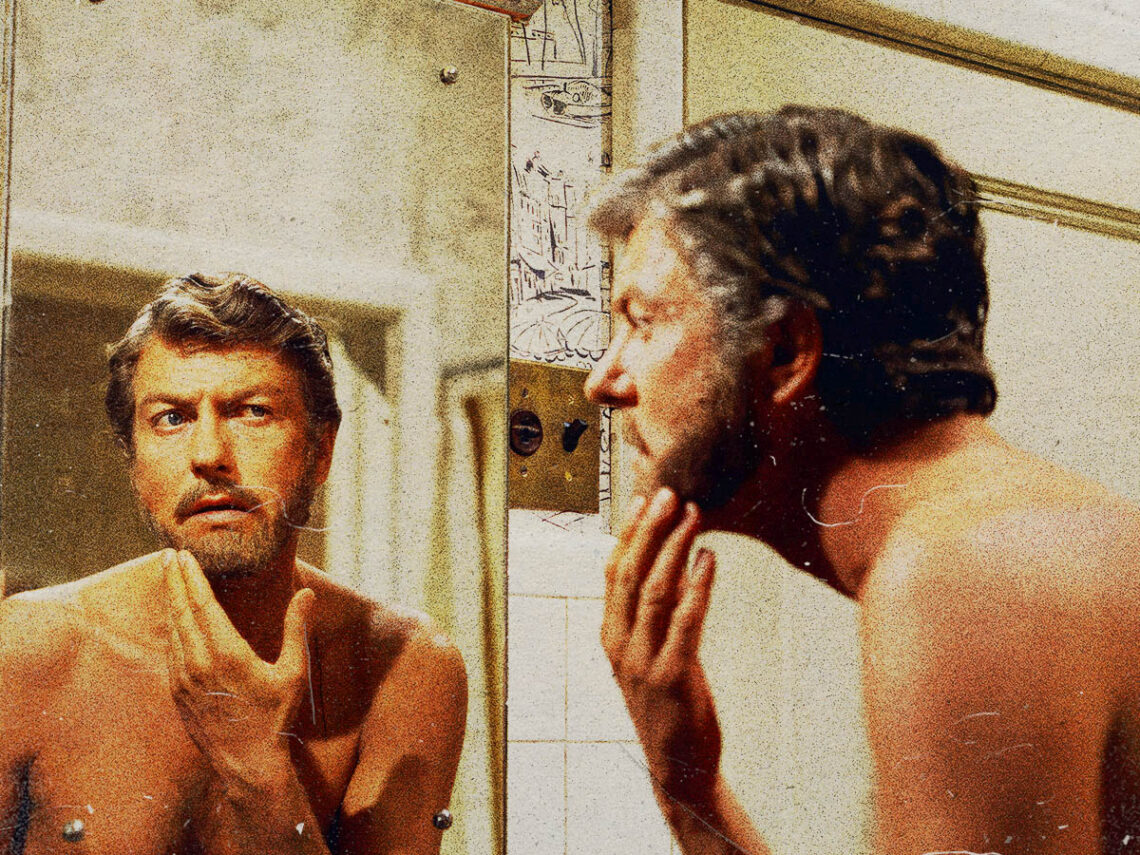
Dick Van Dyke names the most underrated movie of his career: “We were proud of it”

Every actor will have that one movie that they’re really proud of that no one seems to appreciate, and Dick Van Dyke is no exception.
When you spend so long working on a movie that you think will be a hit, only for it to be an absolute failure, it must feel pretty crushing – perhaps, though, you become too attached to the film to be able to see it objectively, unable to detach yourself from the arduous task of working on it day in and day out, no longer can you see that maybe what you worked on wasn’t ever going to be a hit.
Having started his career in classic musicals like Bye Bye Birdie, which he’d first played on stage, and Mary Poppins – his terrible attempt at a British accent somehow proving to be no obstacle to big roles –the actor soon landed his own spot on TV with The Dick Van Dyke Show. Becoming one of the most well-known figures of the decade, he took on Technicolour comedies and more musicals, delivering an unforgettable performance as the wacky inventor Caractacus Potts in Chitty Chitty Bang Bang.
As the 1960s came to an end, the actor was given the lead role in The Comic by Carl Reiner, which the director had written with Van Dyke in mind. Having already collaborated with Reiner on The Dick Van Dyke Show, the actor was clearly trusting of the filmmaker to make a good movie, but when it was released, no one seemed to care.
He starred as Billy Bright, a silent-era star similar to that of Buster Keaton, with the film beginning at his funeral. As he narrates his life, we’re shown key events in his rise and fall as an actor, and while this might have sounded like it had real potential to do well – everyone seems to love biopic-style movies – it simply faded into obscurity.
“Very few people saw that movie, but we were proud of it,” he once said. The movie saw Bright struggle to adapt to the dawn of the talkies, a theme that has historically found success (think Singin’ in the Rain or Sunset Boulevard), but for some reason, Van Dyke’s powerful performance was completely glossed over.
It’s bizarre that, not long after hits like Chitty Chitty Bang Bang, he was already leading movies that went unnoticed, and it seems like there really wasn’t a strong explanation for the failure of the film, because it’s not like it was particularly bad by any means.
Sometimes, a movie just fails to find its audience, and during a year that also saw the release of mega-hits like Easy Rider, True Grit, Butch Cassidy and the Sundance Kid, and Midnight Cowboy, it seems like people just weren’t that interested in watching a musical star take on the role of a narcissistic, failing actor. Cinema was dramatically changing at this point with the emergence of the New Hollywood movement, welcoming grittier filmmaking, and perhaps people saw Van Dyke as symbolic of a slightly older way of making movies.
Regardless, it’s the one film that Van Dyke wishes people would see if they ever have the chance, because, as many modern critics have noted, it’s one of the most underrated projects to have emerged at the tail end of a monumental decade.
