


Denzel Washington’s unofficial ‘Training Day’ sequel: “I brought this scripture I had read”

While religion is often taboo in Hollywood circles, many A-list actors have strong beliefs that inform how they approach their lives and careers. Denzel Washington’s choices, for example, are underscored by his lifelong devotion to Christianity, and he has revealed that he sees his acting career as his way of preaching the good word to millions of people.
Now, you may watch Washington mowing down bad guys in increasingly gruesome ways in The Equalizer movies and think, “What good word is that preaching?” However, when you dig into the way Washington approaches his roles in dark, violent, morally murky movies, it starts to make a lot more sense.
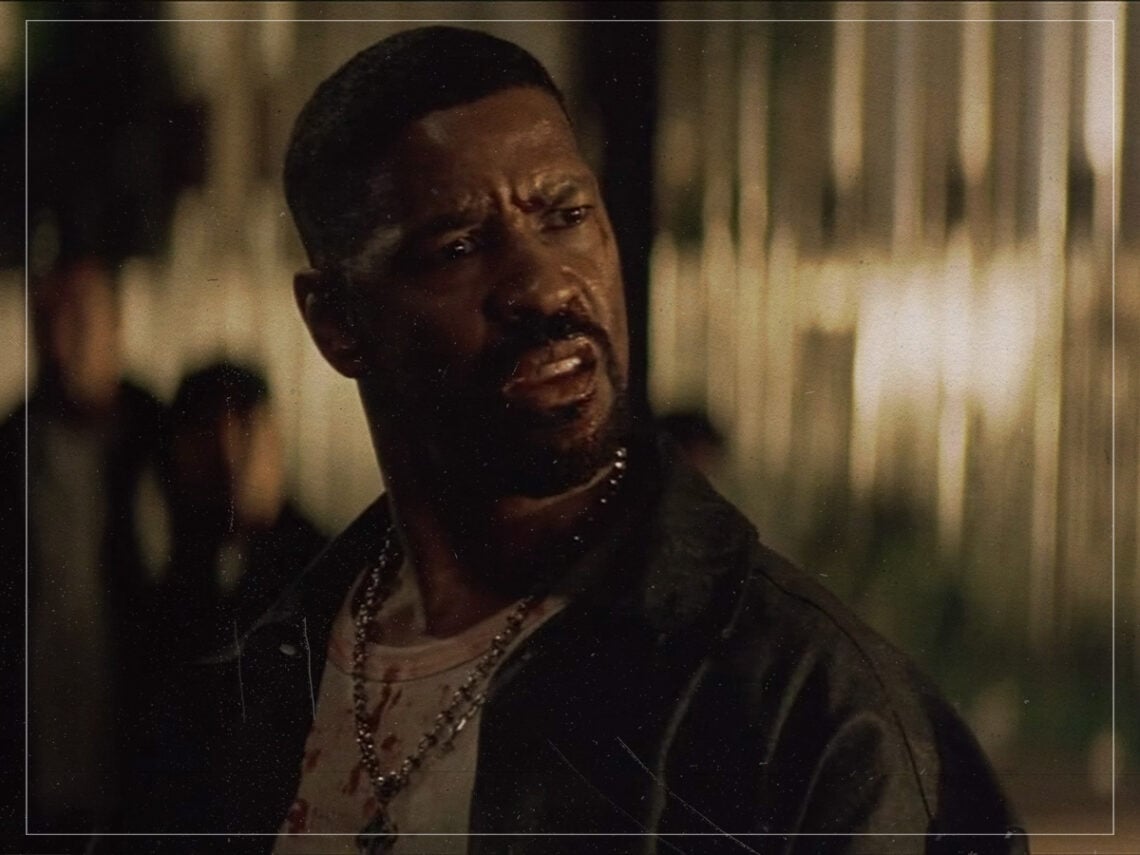
Training Day is perhaps the best example of Washington’s spiritual approach to movies with questionable morality. The preparation he did for playing corrupt Los Angeles detective Alonzo Harris was extensive and varied, but it was all underscored by one idea, which unlocked the entire character. In fact, he even wrote it on his copy of David Ayer’s script: “The wages of sin are death,” a passage from Romans 6:23.
Washington’s spiritual beliefs don’t preclude him from playing villainous, craven characters like Harris; if anything, they help him understand these characters more thoroughly, and make it crystal clear how they need to be depicted in the movie. “That’s the movie for me,” Washington told The Morning Call in 2021. “Once I put that down on the page, I felt that I could be as wicked as I wanted to be because I knew what was coming. I knew what was in store for him. And he does get what he deserves.”
Interestingly, Washington has turned down many movies over the course of his career because they didn’t align with his firmly held belief that evildoers should face their comeuppance in the end. If that is the moral underpinning of a film, then Washington can have a ball being as despicable as they come on-screen. But if not? Then, he won’t be involved.
Washington’s use of scripture has also informed several characters who weren’t outright villains, but whose souls had been corrupted by the dark things they’d done in the service of good. Robert McCall, the vengeful former marine in The Equalizer films would certainly fall into this category, as did John Creasy in Tony Scott’s blistering 2004 thriller Man on Fire. Fascinatingly, though, Washington consulted the same scripture when researching Harris and Creasy, making Man on Fire an unofficial sequel (of sorts) to Training Day.
“There’s a connection to Training Day here,” Washington told IGN in 2004, “Because I brought Tony this scripture I had read. It’s just about coming out of the darkness. And I told Tony about it, and it was a scripture I got from a guy I had done some research with on Training Day. But Tony picked up on that.”
Ultimately, Washington viewed Man on Fire as the spiritual journey of a man of violence who is forced to reckon with the atrocities he was part of as a CIA officer and Marine. Washington was compelled by the idea that the only thing Creasy was ever good at was killing, as he couldn’t help wondering about the toll that would take on someone’s soul.
“He’s a lost soul,” Washington argued. “He’s got the Bible in one hand and the Jack Daniels in the other, and he’s done a lot of things that we never find out about, which I think is interesting.”
However, once again, the aspect of Creasy that enabled Washington to play him was that he didn’t end the movie as a lost soul. His relationship with Dakota Fanning’s Lupita spiritually brings him back to life, even if he dies in the process of rescuing her from her kidnappers. “I can invest in the darkness knowing it’s about the journey,” Washington concluded. “It’s not just the dark guy. You know, he’s not the life of the party necessarily. But this young girl, she brings a lot of joy out of him.”
