


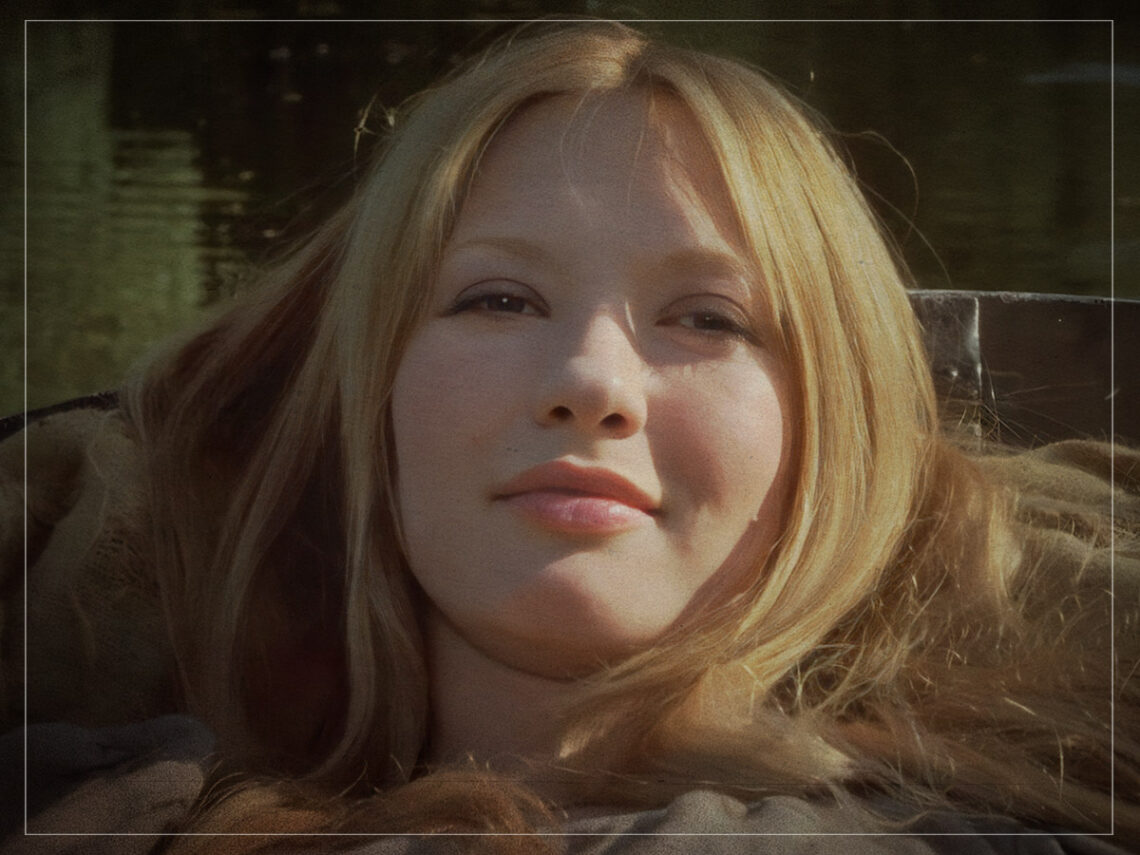
‘Demons of the Mind’: Hammer’s unexpected detour into Freudian territory

Between the late 1950s and mid-1970s, Hammer ruled the horror genre. Founded in 1934, the British production company became synonymous with luridly macabre low-budget movies that might not have been masterpieces but were almost guaranteed to pack cinemas. Christopher Lee was one of its biggest stars, playing Count Dracula in no fewer than seven films and the titular undead spirit in 1959’s The Mummy. Many of the movies that Hammer produced throughout this period have the rare distinction of being both wildly popular when they were released and cult classics decades later, due in large part to their lavishly colourful visual style and overt combination of sex and violence.
Hammer made more than 150 films between 1935 and 1979, many of which recycled similar themes. One that stands out for its unusual approach to the horror genre, however, is 1972’s Demons of the Mind, which takes an unlikely detour into Freudian theory. Directed by Peter Sykes, the movie adheres to the Gothic period that was so popular in many other Hammer films. It’s set on a large estate in Germany, where a wealthy nobleman named Zorn (Robert Hardy) is cursed with incestuous urges.
His “poisoned blood” drove his wife to suicide, now torturing his two adult children, Emil and Elizabeth, played by Shane Briant and Gillian Hills, respectively. Imprisoning them in his mansion under lock and key, Zorn summons a psychotherapist from Vienna to help relieve them of their incestuous bond. Meanwhile, in the peasant villages around his estate, the townsfolk suffer from a series of grisly crime scenes blanketed with rose petals.
It’s a visually lavish production steeped in garish colours, gauzy close-ups, and satanic rituals. In one scene, the psychotherapist Dr Falkenberg (Patrick Magee) hypnotises Zorn with a slowly revolving candle, sparking a hellish vision of his naked, dead wife covered in blood and super-imposed over flames. It’s more experimental than any of Hammer’s other films, and while that was clearly to its benefit in hindsight, it made it difficult to sell from the beginning.
Not surprisingly, given its subject matter, one of the main issues was casting. Eric Porter, James Mason, and Paul Scofield all turned down the role of the anguished Zorn, while Hills was swiftly brought in as second choice for Elizabeth when Marianne Faithful’s drug-taking was deemed too unpredictable for the production’s schedule to accommodate. The original inclusion of a werewolf subplot was also excised due to the poor performance of Hammer’s The Curse of the Werewolf.
Even after the film was finished, it struggled to find distribution. It didn’t fit neatly with what audiences expected from the production company, and all that incest and psychoanalysis was a bit heady for those wanting buckets of blood and non-familial sex. To be clear, the movie has plenty of blood (a whole cup of it at one point) and plenty of gratuitous female nudity, but it was still too experimental for distributors.
It languished in no-man’s land for a full year before being released as the second part of a double bill with the slasher movie Tower of Evil. Two years later, it finally made it to US theatres, where it was greeted without fanfare. It would take decades for Demons of the Mind to be re-evaluated and held up as one of Hammer’s most innovative and stylistically captivating movies, making it one of the production company’s truly cult films.
